VHP chief urges judicial restraint after Allahabad HC split on madrasa probe
Synopsis
A rare bench split at the Allahabad High Court — triggered by Justice Atul Sreedharan's remarks on lynching during a madrasa financial probe — has drawn a sharp public rebuke from VHP President Alok Kumar, who called the observations factually incorrect and procedurally improper. The matter now heads to the Chief Justice for direction.
Key Takeaways
VHP President Alok Kumar on 29 April called for judicial restraint following controversial remarks by Justice Atul Sreedharan of the Allahabad High Court .
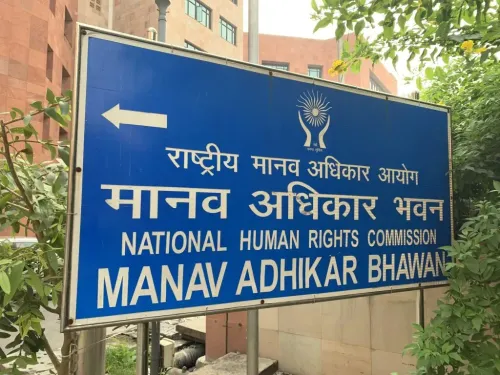
The case involves alleged financial mismanagement in over 500 madrassas in Uttar Pradesh , with the NHRC directing an inquiry involving the Economic Offences Wing .
Justice Sreedharan reportedly commented on the NHRC's alleged inaction on lynching against Muslims — observations made before either party had argued their case.
Justice Vivek Saran formally dissented from his colleague's observations, creating a rare public bench split.
The matter is expected to be referred to the Chief Justice of the Allahabad High Court for further direction.
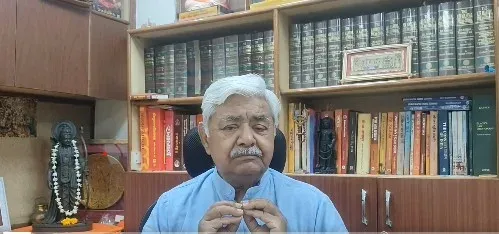
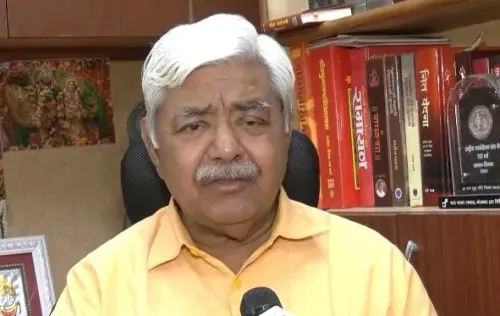
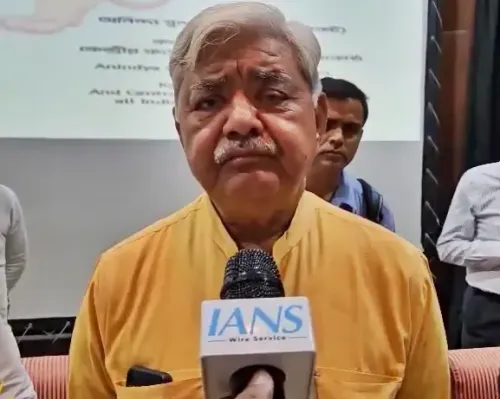
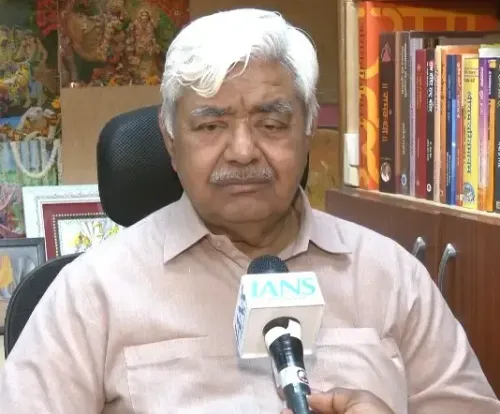
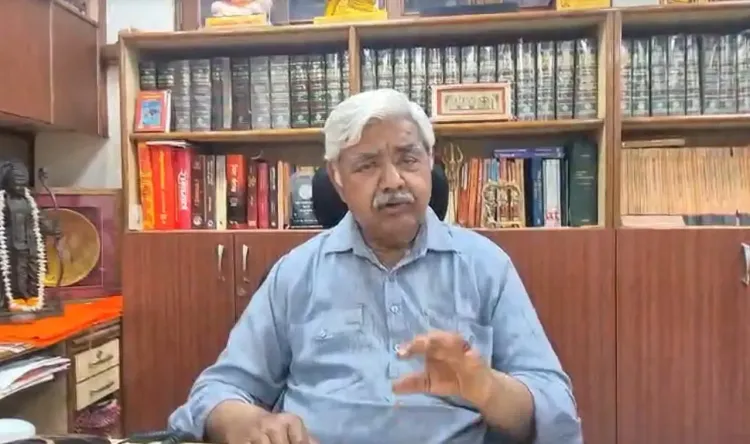
Vishwa Hindu Parishad (VHP) President and Senior Advocate Alok Kumar on 29 April called for judicial restraint after a rare split verdict emerged on the Allahabad High Court bench hearing a case tied to alleged financial irregularities in hundreds of madrassas across Uttar Pradesh. Kumar described certain judicial observations as factually incorrect and potentially damaging to communal harmony.
Background: The Madrasa Probe Case
The case involves the Teachers Association Madaris Arabia and the National Human Rights Commission (NHRC), which had directed an inquiry into alleged financial mismanagement and infrastructure deficiencies in over 500 madrassas in Uttar Pradesh. Allegations include that these institutions were operating with inadequate facilities while securing government grants through collusion and bribery.
During proceedings, Justice Atul Sreedharan of the Allahabad High Court expressed a prima facie opinion that the NHRC had exceeded its jurisdiction by involving the Economic Offences Wing in matters he suggested did not directly pertain to human rights. Notably, the observations were reportedly made in the absence of arguments from either party — the petitioners had requested an adjournment and the commission had not yet been served notice.
The Bench Split and Controversial Remarks
Beyond the jurisdictional question, Justice Sreedharan reportedly commented on the commission's alleged inaction regarding incidents of lynching and vigilante violence against the Muslim community. These remarks prompted a rare public disagreement on the bench: Justice Vivek Saran formally dissented from his colleague's observations, arguing that no adverse remarks should have been recorded without hearing all concerned parties.
The division bench's internal disagreement marks a significant moment, highlighting tensions around the permissible scope of judicial commentary during live proceedings.
VHP's Objections
Alok Kumar, speaking in his capacity as VHP President, argued that while lynching and lawlessness are universally condemnable acts deserving punishment regardless of the religion of those involved, it is inappropriate for a high constitutional office to suggest such issues are directed exclusively at one community without factual backing.
He further emphasised that the observations were made without hearing arguments from either side, which he described as procedurally problematic. Kumar stated that criminals do not belong to any religion and that their acts are an affront to civil society as a whole.
What Happens Next
Following the split opinion between the two judges, the matter is expected to be referred to the Chief Justice of the Allahabad High Court for further direction. Kumar concluded that restraint is an essential quality for those holding high judicial positions, to ensure that legal proceedings remain anchored in law rather than personal opinions that could create social disharmony. The case's outcome could have wider implications for the NHRC's authority to commission economic investigations under its human rights mandate.
Point of View
Made before either party had addressed the court, were procedurally unusual at best. Kumar's intervention from the VHP adds a political dimension, but his procedural critique — that adverse observations were recorded without hearing parties — echoes Justice Saran's own dissent, giving it a degree of legal grounding that is harder to dismiss. The NHRC's authority to commission economic investigations under a human rights mandate remains unresolved, and the Chief Justice's referral will be closely watched as a precedent-setter.
NationPress
16 Sept 2026
Frequently Asked Questions
Why did the Allahabad High Court bench split in the madrasa probe case?
The bench split because Justice Atul Sreedharan made observations questioning the NHRC's jurisdiction and commenting on alleged inaction over lynching of Muslims, prompting Justice Vivek Saran to formally dissent. Saran argued no adverse observations should be recorded without hearing all parties involved.
What is the madrasa case about?
The case involves allegations that over 500 madrassas in Uttar Pradesh were operating with inadequate facilities and securing government grants through collusion and bribery. The NHRC had directed an inquiry, involving the Economic Offences Wing, into alleged financial mismanagement and infrastructure deficiencies.
Why is the VHP objecting to Justice Sreedharan's remarks?
VHP President Alok Kumar argued that the judge's comments were factually incorrect, made without hearing either party, and potentially harmful to communal harmony. Kumar said it is inappropriate for a constitutional office to attribute acts of violence exclusively to targeting one community without factual backing.
What happens next in the case?
Following the split opinion between the two judges, the matter is expected to be referred to the Chief Justice of the Allahabad High Court for further direction on how the case should proceed.
Did the NHRC exceed its jurisdiction in the madrasa probe?
Justice Sreedharan expressed a prima facie opinion that the NHRC exceeded its jurisdiction by involving the Economic Offences Wing in matters he felt did not directly involve human rights. However, this remains a contested legal question, with the matter now headed to the Chief Justice for resolution.