West Bengal Phase 2 polls: 142 seats, 3.2 crore voters vote today
Synopsis
West Bengal's final election phase covers 142 seats, 3.21 crore voters, and 1,448 candidates — all under the watch of 2,407 companies of central forces. With webcasting at every polling station and results due on 4 May, this is the decisive round in one of India's most fiercely contested state elections.
Key Takeaways
142 constituencies across Kolkata and six districts are voting in the second and final phase on 29 April .
Total registered electors: 3,21,73,837 , including 1,64,35,627 male and 1,57,37,418 female voters.
1,448 candidates are in the fray — 1,228 male and 220 female ; no third-gender candidate.
2,407 companies of central forces deployed; webcasting enabled at all 41,001 polling stations .
3,243 voters are aged 100 years or above ; 146 NRI voters are also enrolled.
Election results will be declared on 4 May .
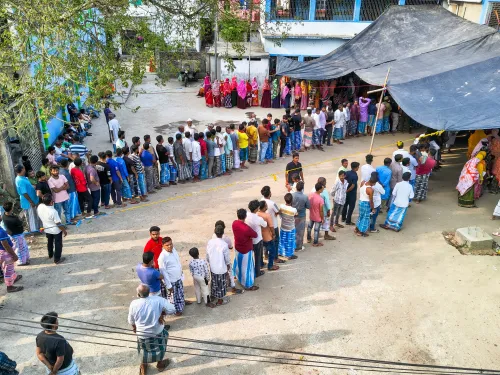
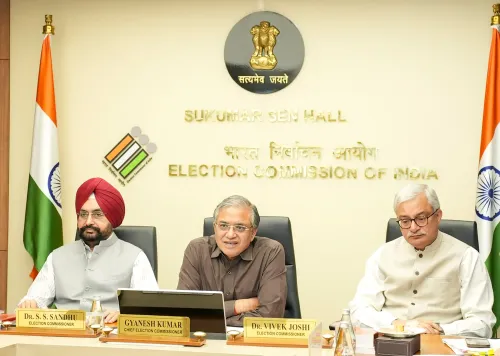
The second and final phase of the West Bengal Assembly elections is underway on Wednesday, 29 April, with voting across 142 constituencies spanning six districts and the state capital, Kolkata, under unprecedented security cover. A total of 3,21,73,837 registered electors are eligible to cast their votes, according to the Election Commission of India (ECI).
Key Numbers at a Glance
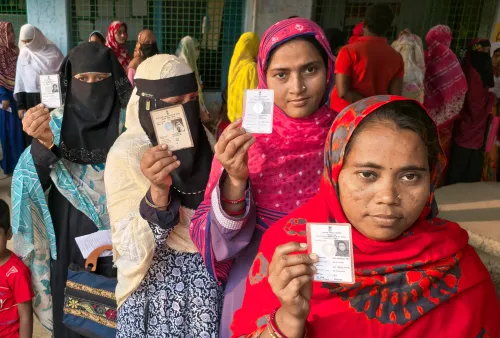
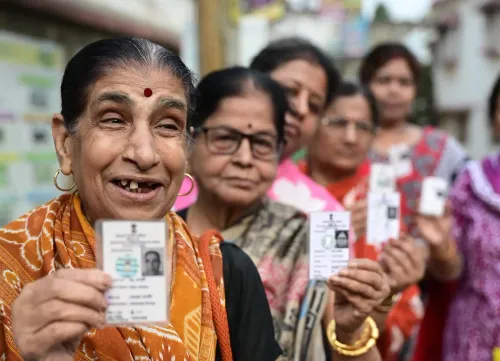
Of the 3,21,73,837 registered voters, 1,64,35,627 are male, 1,57,37,418 are female, and 792 are third-gender voters. All registered electors have been issued Electors Photo Identity Cards (EPICs), as confirmed by the office of the West Bengal Chief Electoral Officer (CEO).
Notably, 3,243 voters are aged 100 years or above, and 1,96,801 voters are aged 85 or above. There are also 146 Non-Resident Indian (NRI) voters and 39,961 service voters enrolled in these constituencies.
Candidates and Constituencies
A total of 1,448 candidates are contesting across the 142 Assembly seats. Of these, 1,228 are male and 220 are female; there is no third-gender candidate in the fray. Of the 142 constituencies, 107 fall under the general category, 34 are reserved for Scheduled Castes (SC), and one is reserved for Scheduled Tribes (ST).
Bhangar in South 24 Parganas district has the highest number of candidates at 15, while a constituency in Hooghly district has the fewest at five. In terms of geography, Jorasanko in Kolkata is the smallest constituency at just 3.48 sq km, while Kalyani in Nadia district is the largest at 135 sq km.
Districts Going to the Polls
Besides Kolkata, the six districts where these 142 constituencies are located are Nadia, East Burdwan, Hooghly, South 24 Parganas, North 24 Parganas, and Howrah. Bhatpara in North 24 Parganas has the fewest electors at 1,17,195, while Chuchura in Hooghly has the most at 2,75,715.
In terms of voter distribution, only six constituencies have between one lakh and 1.5 lakh voters, 17 have between 1.5 lakh and two lakh, and the remaining 120 constituencies each have more than two lakh voters.
Security and Infrastructure
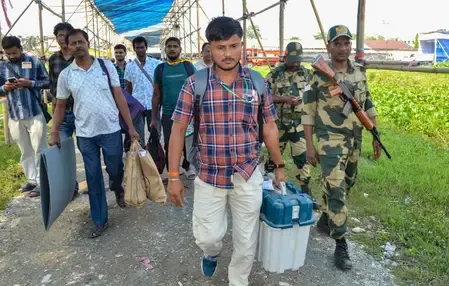
The phase is being conducted under what officials describe as unprecedented security arrangements. A total of 2,407 companies of central forces — including Central Armed Police Forces (CAPF), the India Reserve Battalion, and armed police personnel from other states — have been deployed alongside West Bengal Police and Kolkata Police.
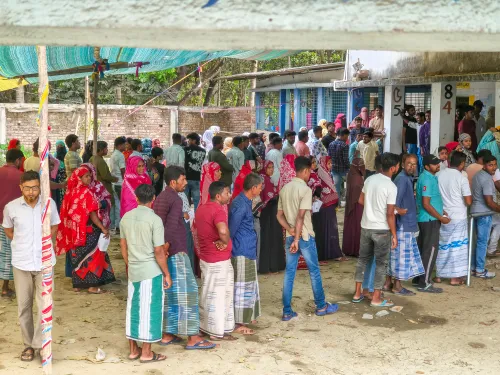
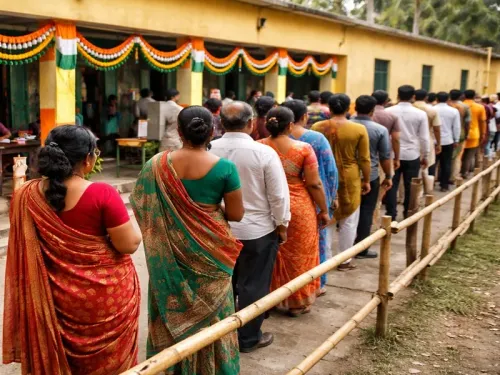
There are 41,001 polling stations in total, comprising 39,301 main stations and 1,700 auxiliary stations. Webcasting has been enabled at all polling stations to ensure real-time monitoring. Polling parties were dispatched to their respective stations on Tuesday with Electronic Voting Machines (EVMs), VVPATs, and other required materials.
What Happens Next
The results for both phases of the West Bengal Assembly elections are scheduled to be declared on 4 May. The outcome will determine the composition of the state assembly and the next government in one of India's most politically contested states.
Point of View
41,001 polling stations, and 2,407 companies of central forces — underscores how deeply contested West Bengal remains as a political battleground. The deployment of central forces at this magnitude reflects not just administrative caution but a tacit acknowledgement of the state's history of poll-related violence. What the numbers don't capture is the underlying political tension: with 120 of 142 constituencies each holding over two lakh voters, even marginal swings in turnout could decisively shift seat counts. The 4 May result will be as much a verdict on ground-level mobilisation as on policy.
NationPress
15 Sept 2026
Frequently Asked Questions
How many constituencies are voting in West Bengal Phase 2?
A total of 142 constituencies are voting in the second and final phase of the West Bengal Assembly elections on 29 April. These seats are spread across six districts — Nadia, East Burdwan, Hooghly, South 24 Parganas, North 24 Parganas, and Howrah — as well as the state capital, Kolkata.
How many voters are registered in West Bengal Phase 2?
There are 3,21,73,837 registered electors across the 142 constituencies, of whom 1,64,35,627 are male, 1,57,37,418 are female, and 792 are third-gender voters, according to the Election Commission of India.
When will the West Bengal election results be declared?
The results for both phases of the West Bengal Assembly elections will be declared on 4 May, according to the Election Commission of India.
What security arrangements are in place for West Bengal Phase 2?
A total of 2,407 companies of central forces — including Central Armed Police Forces, the India Reserve Battalion, and personnel from other states — have been deployed alongside West Bengal Police and Kolkata Police. Webcasting is enabled at all 41,001 polling stations for real-time monitoring.
Which district has the most candidates in West Bengal Phase 2?
Bhangar constituency in South 24 Parganas district has the highest number of candidates at 15, while a constituency in Hooghly district has the fewest candidates at five.