Are 600 Districts in India Delivering Palliative Care as of October?
Click to start listening
Synopsis
In a significant update, the Union Health Minister announced that 600 districts in India are now providing essential palliative care. This initiative, established under the National Programme for Palliative Care, aims to support patients with chronic illnesses such as cancer and AIDS. Discover more about this crucial healthcare service.
Key Takeaways
- The National Programme for Palliative Care was initiated in 2012.
- Currently, 600 districts are delivering palliative care across India.
- Madhya Pradesh, Rajasthan, and Gujarat are the top states offering palliative care services.
- Over 12.6 lakh patients accessed outpatient palliative care in 2025-26.
- Palliative care training is a required part of the MBBS curriculum.
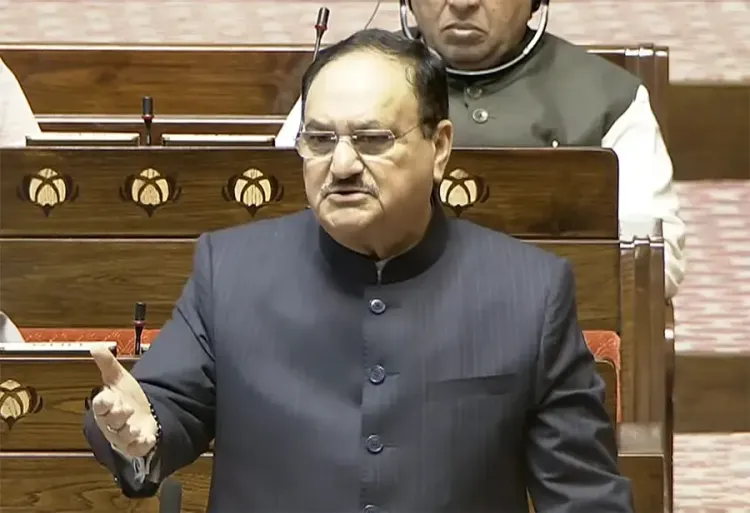
New Delhi, Dec 2 (NationPress) A remarkable 600 districts across the nation have been actively offering palliative care to individuals grappling with chronic, life-limiting conditions, as reported by the Union Health Minister during a parliamentary session on Tuesday.
The government initiated the National Programme for Palliative Care (NPPC) in 2012, aimed at delivering pain alleviation and symptom management for those facing terminal illnesses such as cancer and AIDS.
“As of October 2025, 600 districts have been included in the NPPC,” Nadda stated in the Rajya Sabha.
The Minister highlighted that Madhya Pradesh tops the list with 51 active palliative care centres, followed by Rajasthan with 42 and Gujarat with 41 centres.
Moreover, over 12.6 lakh patients utilized OPD services at these palliative care facilities between 2025-26 (up to October 25), Nadda mentioned.
More than 19 lakh patients received home visits, while an additional 3.3 lakh accessed inpatient palliative care during the same timeframe, the Minister added.
In addition to NPPC services, palliative care is also offered at AIIMS, various Medical Colleges, and Hospitals.
The basic training for palliative care is now an essential part of the undergraduate medical education (MBBS) curriculum in India, as mandated by the government,” Nadda stated.
This change was implemented as part of the National Medical Commission's Competency-Based Medical Education (CBME) curriculum, which took effect in August 2019.
Palliative care was officially acknowledged as a medical subspecialty by the Medical Council of India (MCI) in 2010. Specialist education in Palliative Medicine (MD Palliative Medicine) is offered as a three-year supervised postgraduate program in institutions recognized by the National Medical Commission (NMC).
Additionally, the Indian Nursing Council (INC) has integrated a mandatory 20-hour module on palliative care into the fourth semester (second year) of the B.Sc. Nursing curriculum to promote understanding and empathy among nursing students.
Palliative care is one of the 12 essential services provided at the Ayushman Arogya Mandir (AAM) level, which includes preventive, promotive, curative, rehabilitative, and palliative services, Nadda concluded.
Point of View
It is imperative to recognize the government's proactive approach in expanding palliative care services across India. The establishment of the National Programme for Palliative Care is a commendable step towards enhancing healthcare access for patients facing chronic illnesses. This initiative reflects a significant commitment to improving the quality of life for countless individuals and their families.
NationPress
02/12/2025
Frequently Asked Questions
What is the National Programme for Palliative Care (NPPC)?
The NPPC was launched in 2012 to provide pain relief and symptom management for patients suffering from life-limiting illnesses such as cancer and AIDS.
How many districts in India provide palliative care?
As of October 2025, a total of 600 districts in India are offering palliative care services.
What are the leading states in palliative care centres?
Madhya Pradesh leads with 51 palliative care centres, followed by Rajasthan with 42 and Gujarat with 41 centres.
How many patients accessed palliative care in 2025-26?
Over 12.6 lakh patients availed outpatient services, while more than 19 lakh received home visits during this period.
Is palliative care included in medical education?
Yes, basic palliative care training is now a mandatory component of the MBBS curriculum in India.