Rare earth exposure triples low birthweight risk, Chinese study finds
Synopsis
A Chinese study of nearly 5,000 pregnant women found that prenatal exposure to rare earth elements — including cerium and lanthanum — can more than triple the risk of low birthweight, raising urgent public-health questions about communities near the world's largest rare earth mining and processing operations.
Key Takeaways
4,891 pregnant women at Wuhan Maternal and Child Health Hospital were tracked between 2012 and 2014 for the study.
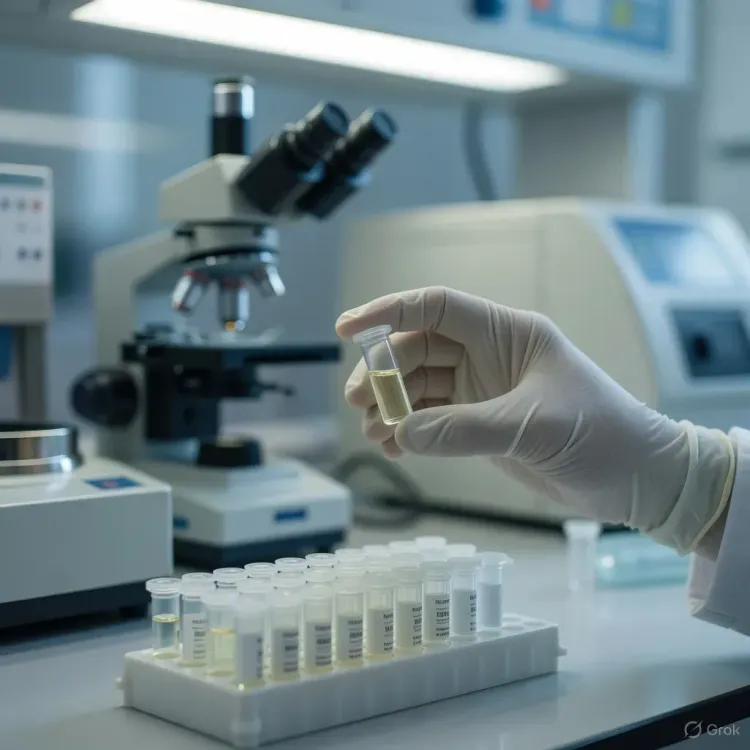
Researchers measured 13 rare earth elements — including cerium , ytterbium , and lanthanum — in maternal urine samples.
Some rare earth substances were found to increase the risk of low birthweight by more than three times .
The study was conducted by researchers affiliated with Huazhong University of Science and Technology , with Wang Youjie among key contributors.
Findings were published in the Journal of Environmental Health by the Chinese Preventive Medicine Association .
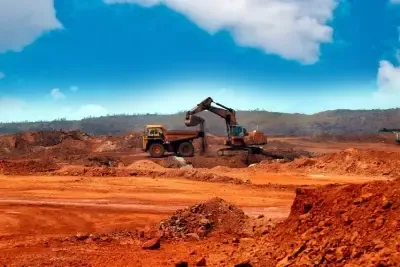
China dominates global rare earth production, placing communities near extraction sites at heightened exposure risk.
Prenatal exposure to rare earth elements significantly raises the risk of low birthweight in newborns, with certain substances increasing the danger by more than three times, according to a new study published in the Journal of Environmental Health by the Chinese Preventive Medicine Association. The research draws on data from nearly 5,000 pregnant women in Wuhan, China, making it one of the more substantial investigations into rare earth bioexposure during pregnancy.
Study Design and Scale
Researchers tracked 4,891 pregnant women who gave birth at Wuhan Maternal and Child Health Hospital between 2012 and 2014. Urine samples collected from the mothers were analysed for the concentration of 13 rare earth elements, including cerium, ytterbium, and lanthanum — a suite of metals that are indispensable to modern electronics, electric vehicle batteries, and defence technologies.
Why It Matters
Rare earth elements are omnipresent in contemporary industrial and consumer supply chains, yet their biological effects on human health — particularly during fetal development — remain poorly understood. The finding that some of these substances can more than triple the risk of low birthweight adds a significant public-health dimension to the global debate over rare earth mining, processing, and occupational exposure. Low birthweight is a well-established predictor of neonatal mortality and long-term developmental challenges.
Research Credentials and Institutional Backing
The study was led by researchers affiliated with Huazhong University of Science and Technology, one of China's leading technical universities, and involved Wang Youjie among its key contributors. Publication in the Journal of Environmental Health under the auspices of the Chinese Preventive Medicine Association lends the findings institutional credibility, according to the research team. The methodology — urinary biomarker measurement across a large obstetric cohort — is consistent with internationally recognised epidemiological standards.
Broader Context: Rare Earths at the Intersection of Industry and Health
China accounts for the vast majority of global rare earth production and processing, and communities near mining and refining operations face disproportionate exposure risks. The study's findings arrive at a moment of heightened geopolitical sensitivity around rare earth supply chains, with the United States and allied nations accelerating efforts to diversify sourcing away from China. Environmental and occupational health researchers have long flagged that the rapid scaling of rare earth extraction — driven by clean-energy and defence demand — may carry underappreciated human health costs.
What to Watch Next
The research is expected to prompt calls for expanded biomonitoring programmes in rare earth-producing regions and stricter occupational exposure guidelines for workers in mining and processing facilities. Regulatory bodies in China, the United States, and the European Union will likely face pressure to incorporate these findings into updated environmental health frameworks. Whether the study's cohort — drawn exclusively from Wuhan — can be generalised to populations with different exposure profiles remains an open question that future multi-site research will need to address.
Point of View
EU, and allied nations pour capital into diversifying supply chains away from China, they risk replicating the same environmental and public-health externalities that Chinese mining communities have borne for decades. Mainstream coverage of the rare earth 'critical minerals race' is almost entirely framed around supply security and geopolitics — the human biological cost of extraction and processing rarely enters that conversation. A tripling of low birthweight risk is not a marginal statistical signal; it is a finding that, if replicated in broader cohorts, could force regulatory rethinks of permissible exposure limits in both occupational and residential settings globally. Investors and policymakers betting on a clean-energy transition built on rare earth-intensive technologies may be underpricing the long-term liability embedded in the health economics of production.
NationPress
21 Sept 2026
Frequently Asked Questions
What did the Chinese rare earth and low birthweight study find?
The study found that prenatal exposure to rare earth elements can raise the risk of low birthweight, with some substances increasing the danger by more than three times. Researchers analysed urine samples from 4,891 pregnant women in Wuhan for 13 rare earth elements including cerium, ytterbium, and lanthanum.
Who conducted the rare earth pregnancy study and where was it published?
The research was conducted by scientists affiliated with Huazhong University of Science and Technology, with Wang Youjie among key contributors. It was published in the Journal of Environmental Health by the Chinese Preventive Medicine Association.
Which rare earth elements were linked to low birthweight risk?
The study examined 13 rare earth elements in total, including cerium, ytterbium, and lanthanum. Some of these substances were associated with a more than threefold increase in low birthweight risk, according to the research.
Why does rare earth exposure during pregnancy matter for global health?
Rare earth elements are widely used in electronics, electric vehicles, and defence systems, meaning industrial communities worldwide face potential exposure. Low birthweight is a known predictor of neonatal mortality and long-term developmental problems, so findings linking rare earth exposure to this outcome carry significant public-health implications.
How might this study affect rare earth mining regulations?
The findings are likely to increase pressure on regulators in China, the United States, and the European Union to update occupational exposure limits and expand biomonitoring in rare earth-producing regions. Whether the results generalise beyond the Wuhan cohort will depend on follow-up multi-site research.