How Can Nations Address Inequalities That Fuel Pandemics for Global Health Security?
Synopsis
A new UNAIDS report reveals that inequality is a critical factor worsening pandemic impacts globally. It emphasizes the urgent need for countries to address these disparities to enhance health security and prevent future crises. Leaders are called to take decisive action to break the cycle of inequality and pandemics, ensuring a safer future for all.
Key Takeaways
Inequality worsens the severity and duration of pandemics.
Pandemics create a cycle of inequality that affects global health.
Proactive measures against inequality can enhance health security.
Local production and equitable access to technology are crucial.
Addressing inequality is essential for effective pandemic response.
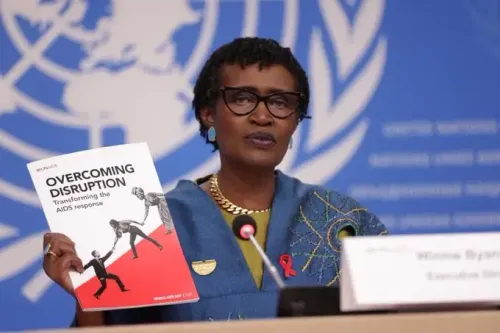
New Delhi, Nov 3 (NationPress) Inequality is significantly hampering both national and global initiatives aimed at combating pandemics, rendering them increasingly disruptive, fatal, and prolonged, as highlighted in a recent global report by UNAIDS on Monday.
The report, produced by leading economists, public health specialists, and political figures as part of the Global Council on Inequality, AIDS, and Pandemics—an esteemed initiative organized by UNAIDS—emphasizes that inequality is heightening the world’s susceptibility to pandemics.
It underscores that elevated levels of inequality, both within and across nations, not only exacerbate the economic toll and mortality rates associated with pandemics but also contribute to their extended duration.
Moreover, pandemics themselves are perpetuating inequality, creating a vicious cycle that has been evident not only during Covid-19 but also during the crises surrounding AIDS, Ebola, influenza, and mpox.
The report advocates for proactive measures against inequality prior to the onset of pandemics to better shield the globe from future health crises, surpassing the efficacy of current preparedness strategies.
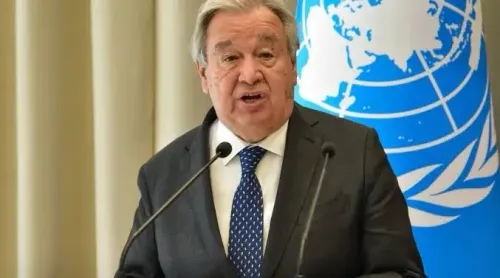
“This report illustrates the urgent need for leaders to confront the inequalities that instigate pandemics and provides guidance on how to achieve this. Diminishing inequality both within and between nations will cultivate a safer, fairer life for all,” stated Winnie Byanyima, UNAIDS Executive Director and United Nations Under-Secretary-General.
These findings coincide with the upcoming G20 Health Ministers meeting amidst alarming reports of rising avian flu and mpox outbreaks, along with the approval of innovative HIV prevention medications by regulatory bodies.
The report calls for a renewed approach to health security that can disrupt the inequality-pandemic cycle through actionable steps addressing the social and economic factors influencing pandemics at both national and international levels.
It also advocates for the elimination of financial obstacles within the global framework to empower all nations with adequate fiscal capabilities to confront the inequalities fueling pandemics.
“We need to develop local and regional production capacities alongside a reformed governance of research and development to ensure that necessary technology is shared as public goods to effectively combat pandemics,” the report recommends.
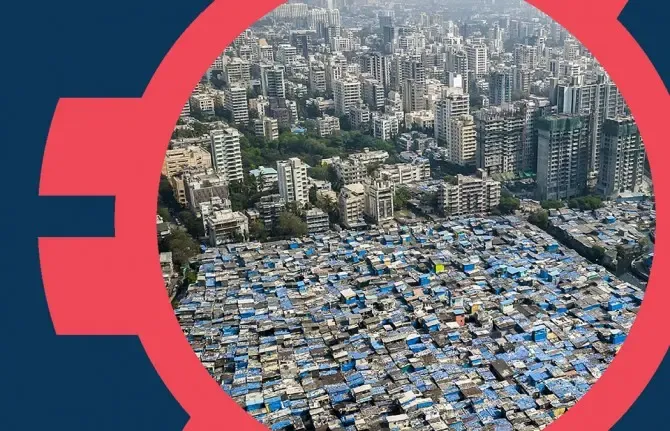
“The evidence is clear. By tackling inequalities—including through access to decent housing, equitable employment, quality education, and robust social protections—we can mitigate pandemic risks fundamentally. Addressing inequality is not merely a desirable goal; it’s crucial for effective pandemic preparedness and response,” remarked Professor Sir Michael Marmot, Director at University College London’s Institute of Health Equity.
Point of View
It is imperative to recognize that the ongoing pandemic challenges are deeply interwoven with the fabric of inequality. As nations strive for improved health security, addressing these disparities is not just a moral obligation but a strategic necessity for long-term resilience against future health crises. Nation's commitment to fostering equitable health systems is paramount.
NationPress
30 Sept 2026
Frequently Asked Questions
What does the UNAIDS report highlight about inequality?
The UNAIDS report emphasizes that inequality undermines efforts to combat pandemics, making them more deadly and prolonged.
How do pandemics perpetuate inequality?
Pandemics exacerbate existing disparities, creating a vicious cycle that affects vulnerable populations disproportionately.
What actions does the report recommend?
The report calls for proactive measures to address inequality before pandemics arise to enhance global health security.
Who is Winnie Byanyima?
Winnie Byanyima is the UNAIDS Executive Director and UN Under-Secretary-General, emphasizing the need to tackle inequality .
What is the role of local production in pandemic preparedness?
Building local and regional production capacities is essential for ensuring equitable access to technologies needed to combat pandemics.