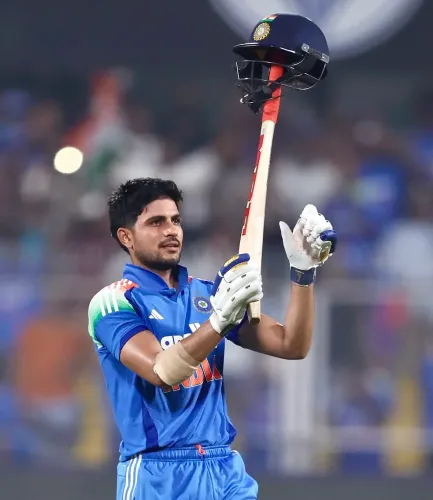
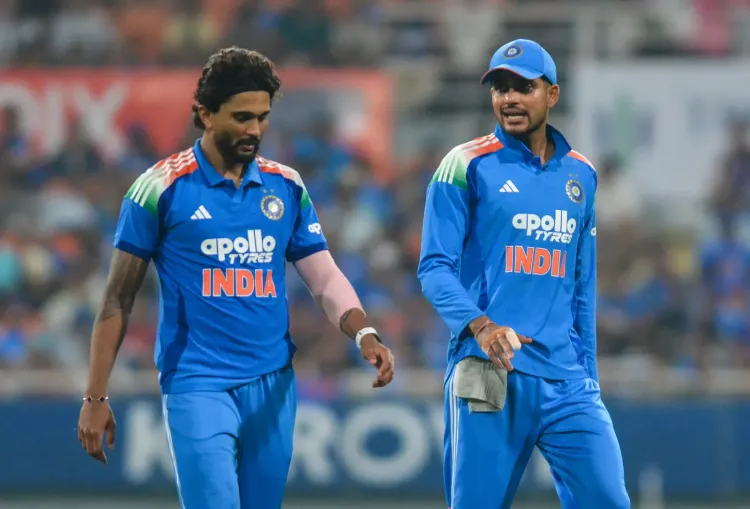
Shubman Gill flags fielding, death bowling after India's 2-1 ODI series win vs West Indies
Synopsis
India won the series but the final ODI exposed real cracks — six or seven dropped catches and a death-bowling unit unsure whether to attack or defend. With a five-game New Zealand series in November and World Cup preparation in full swing, Gill's candid admission signals that the work is far from done.
Key Takeaways
India won the ODI series against West Indies 2-1 , but lost the third and final match by five wickets in New Chandigarh on 3 October .
KL Rahul scored a career-best 129 not out off 87 balls , anchoring India's total of 351 for seven .
Shai Hope hit 162 not out at a strike rate of 113.29 , completing the West Indies' highest-ever successful ODI run chase against India.
Captain Shubman Gill admitted India dropped approximately six or seven catches across the series — a concern ahead of the World Cup .
Gill flagged a lack of clarity in death-overs bowling strategy as a critical area needing improvement.
India face a five-match ODI series in New Zealand in November as their next major assignment.
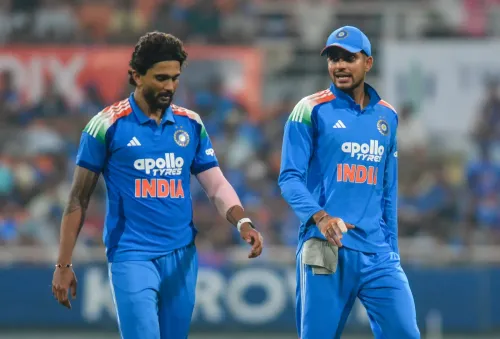
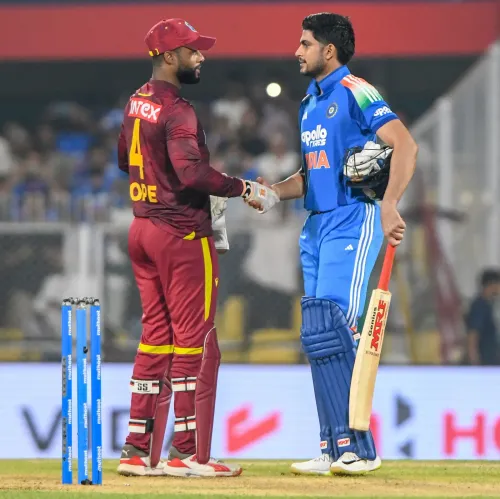
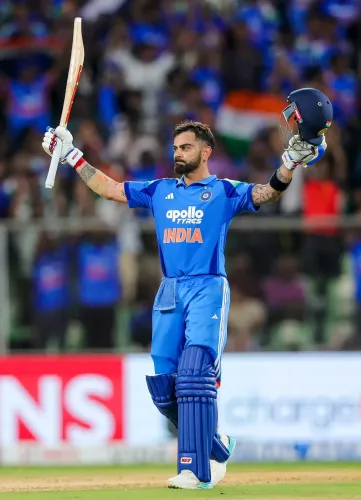
India captain Shubman Gill acknowledged his side's shortcomings in fielding and death-overs bowling after the third and final ODI against West Indies in New Chandigarh on 3 October, even as India sealed the series 2-1. Despite posting a commanding 351 for seven, India conceded a five-wicket defeat — a result Gill described as a lesson ahead of a demanding international calendar.
India's Batting Firepower Sets Up Big Total
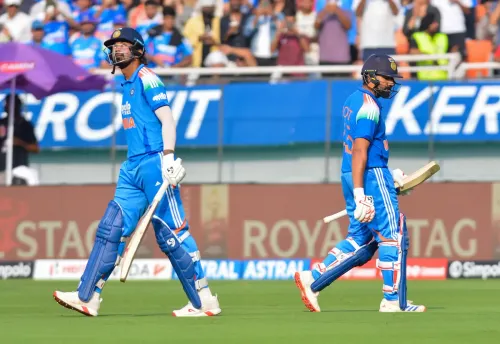
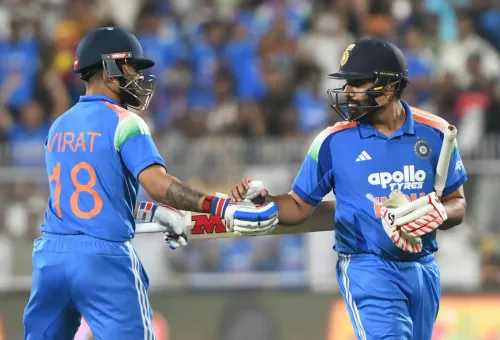
Electing to bat, India built their innings on a 137-run second-wicket stand between Rohit Sharma (92) and Ruturaj Gaikwad (57). The platform was then exploited by KL Rahul, who remained unbeaten on a career-best 129 off 87 balls in ODI cricket. The total looked imposing, but the West Indies had other ideas.
Shai Hope's Historic Chase Sinks India
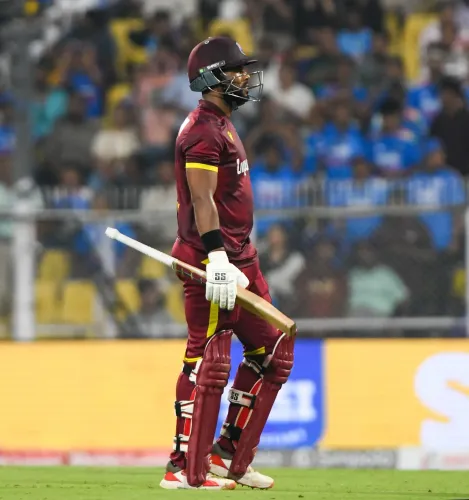
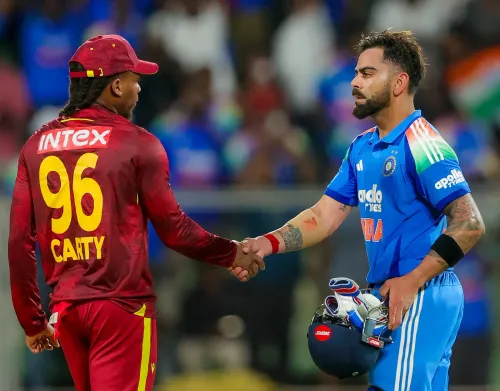
West Indies captain Shai Hope produced a monumental 162 not out at a strike rate of 113.29, orchestrating the visitors' highest-ever successful run chase in ODI history. It was also the West Indies' first ODI win over India since 2023. The chase exposed gaps in India's tactical execution during the closing overs — gaps Gill was candid about after the match.
Gill Identifies Death Bowling as a Concern
Speaking at the post-match presentation, Gill pointed to a lack of clarity in the team's death-bowling strategy as a key factor. 'Death bowling as well. I feel, sometimes we are not really clear whether we are attacking or we are defending, especially when we are bowling the death overs. One day, such a game, if the opposition is five or six down, you are never really sure what fields to take, whether we are going for the death too early or we are still bowling kind of like middle overs. I think these are some areas which definitely we need to be better at,' he said.
He also explained the decision to hold back wrist-spinner Kuldeep Yadav's remaining overs, citing an injury scare to pacer Gurnoor Brar. 'We didn't know if Gurnoor was gonna come back and bowl with his cramps. So there was a bit of uncertainty there. And we knew the match was gonna go till the end. And he's a wicket-taker, and I wanted his couple of overs to be there in the end,' Gill added.
Dropped Catches a Worry Ahead of World Cup
Gill was particularly pointed about India's fielding standards across the series, estimating that the side dropped approximately six or seven catches — a number he described as unacceptable at this stage of the team's preparation. 'Our fielding could be much better. Overall in the series, I think we dropped around six or seven catches, which is not a good sign leading up to the World Cup. You want your fielding to be top-notch,' he said.
On his own early dismissal to Jayden Seales, Gill was philosophical: 'You're always disappointed whenever you get out early. But I think today, I don't think I could have done much that I would have done on that ball.'
Eye on New Zealand Series and World Cup Build-Up
With a five-match ODI series in New Zealand scheduled for November, Gill stressed the need for the squad to sharpen both fielding and tactical execution in the death overs. The series win against the West Indies offers encouragement, but the dropped catches and bowling lapses in the final game serve as a timely reminder of the work still ahead as India build toward the World Cup.
Point of View
But Gill's admission of six or seven dropped catches is the kind of detail that tends to get buried under the series-win headline — and shouldn't be. Fielding is the one discipline that requires no talent shortfall to fix, only discipline and intent, which makes serial dropping all the more damaging as a signal. The death-bowling confusion is a deeper structural problem: India have match-winning options but appear to lack a settled, situation-specific framework for deploying them. With the New Zealand series and ultimately the World Cup approaching, these are not minor footnotes — they are the difference between a team that wins bilateral series and one that wins tournaments.
NationPress
4 Oct 2026
Frequently Asked Questions
What did Shubman Gill say about India's performance in the 3rd ODI vs West Indies?
Gill expressed overall satisfaction with the 2-1 series win but admitted that fielding and death-overs bowling need immediate improvement. He noted that India dropped around six or seven catches across the series and that the team lacked clarity on whether to attack or defend during the closing overs.
Why did India lose the 3rd ODI despite scoring 351?
West Indies captain Shai Hope scored an unbeaten 162 at a strike rate of 113.29, guiding his side to their highest-ever successful ODI run chase in history. India's death bowling and fielding lapses contributed to their five-wicket defeat.
What was KL Rahul's score in the 3rd ODI against West Indies?
KL Rahul scored an unbeaten 129 off 87 balls — his career-best score in ODI cricket — to help India post 351 for seven. His innings came after a 137-run second-wicket stand between Rohit Sharma (92) and Ruturaj Gaikwad (57).
Why did Kuldeep Yadav not bowl his full quota of overs?
Gill explained that an injury scare to pacer Gurnoor Brar, who suffered cramps, created uncertainty over his return, prompting the decision to hold back Kuldeep Yadav's remaining overs for the final stages of the innings. Gill wanted the wrist-spinner available as a wicket-taking option late in the chase.
What is India's next series after the West Indies ODIs?
India are scheduled to play a five-match ODI series in New Zealand in November. Gill has identified improved fielding and clearer death-bowling tactics as the key areas the squad must address before that assignment.