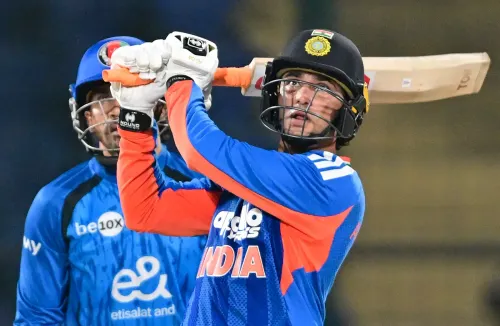
Ishan Kishan hits 2000 T20I runs, third-fastest Indian to reach milestone
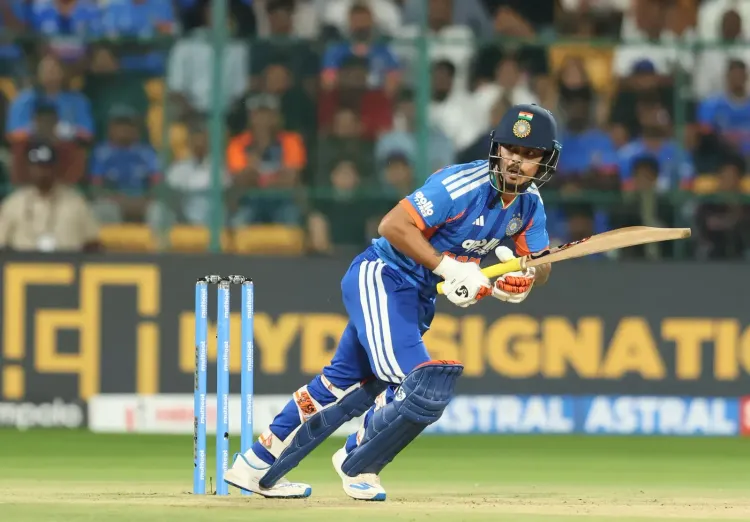
Synopsis
After missing two matches with a right adductor strain and scoring just 1 and 0 in the games he did play, Ishan Kishan roared back in the series decider with a 61 off 32 balls to join an elite list — the third-fastest Indian to 2000 T20I runs, behind only Abhishek Sharma and Suryakumar Yadav.
Key Takeaways
Ishan Kishan reached 2000 T20I runs during the fifth T20I against New Zealand at Seddon Park, Hamilton on 1 November .
He is the third-fastest Indian to the milestone, reaching it in 1345 balls .
Abhishek Sharma holds the India record ( 1024 balls ); Suryakumar Yadav is second ( 1164 balls ).
Kishan scored 61 off 32 balls , hitting 5 sixes and 5 fours , including his 14th T20I fifty .
He had missed the second and third T20Is due to a low-grade right adductor strain .
Kishan was dismissed by Blair Tickner , caught by Nathan Smith at deep mid-wicket.
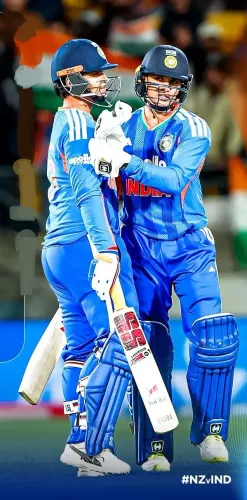
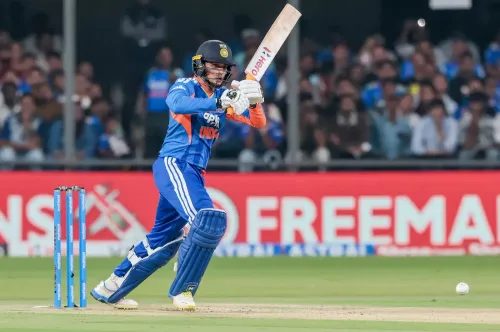
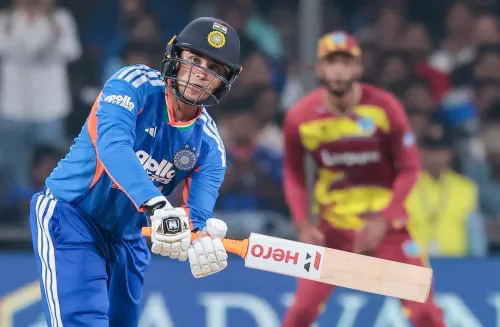
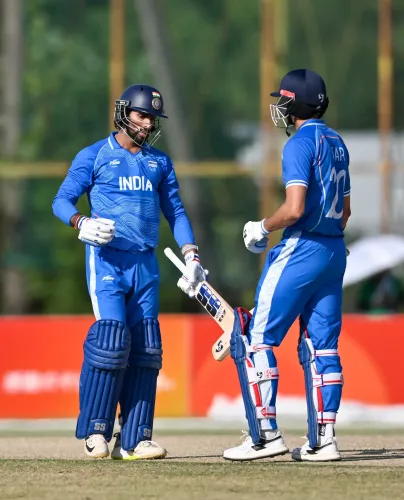
India wicketkeeper-batter Ishan Kishan reached 2000 T20I runs during the fifth T20I against New Zealand at Seddon Park, Hamilton on Sunday, 1 November, becoming the third-fastest Indian to the landmark in terms of balls faced. Kishan, who had a subdued series after missing two matches due to injury, marked the occasion with a blazing 61 off 32 balls.
How the Milestone Unfolded
Kishan arrived at the crease needing 45 runs to cross the 2000-run mark, having managed scores of just 1 and 0 in the first and fourth T20Is respectively. He struck the telling blow off Mitchell Santner — a helicopter-hit four towards mid-wicket — before following it up with a six that simultaneously completed his 14th T20I fifty. His innings of 61 included five sixes and five fours.
Where Kishan Stands in the Record Books
The left-handed batter reached 2000 T20I runs in 1345 balls, placing him third on the all-time fastest list among Indian batters. Abhishek Sharma holds the India record, having reached the milestone in just 1024 balls, while Suryakumar Yadav is second with 1164 deliveries. Notably, both Abhishek and Suryakumar are celebrated for their strike-rate-first approach, making Kishan's entry into this exclusive club a significant personal achievement.
The Injury Setback That Nearly Disrupted His Series
Kishan had been hampered by a low-grade right adductor strain that forced him out of the second and third T20Is. His return to form in the decider — the series' fifth and final rubber — underlines his resilience. His dismissal eventually came courtesy of Blair Tickner, with Nathan Smith taking the catch at deep mid-wicket.
Match Context and Team Changes
New Zealand won the toss for the first time in the series and elected to field. India made two changes to their lineup, with Bhuvneshwar Kumar and Varun Chakravarthy coming in for Mayank Yadav and Axar Patel. For the hosts, Tickner replaced Matthew Fisher. The series decider sets the stage for a final-match showdown after four closely contested games.
Point of View
And two early ducks this series raised questions about his place in the XI. That he chose the series decider to deliver a 61 off 32 serves as a timely reminder of his class. Yet the context of the record matters: Abhishek Sharma reached 2000 runs in 321 fewer balls, reflecting a structural shift in how India now values strike rate at the top. Kishan's future in the T20I setup may hinge on whether he can close that tempo gap consistently, not just in high-pressure cameos.
NationPress
1 Nov 2026
Frequently Asked Questions
When did Ishan Kishan complete 2000 T20I runs?
Ishan Kishan completed 2000 T20I runs during the fifth T20I against New Zealand at Seddon Park, Hamilton, on 1 November 2026. He got there with a four off Mitchell Santner during his innings of 61.
Who is the fastest Indian to 2000 T20I runs?
Abhishek Sharma holds the India record, having reached 2000 T20I runs in just 1024 balls. Suryakumar Yadav is second with 1164 deliveries, and Ishan Kishan is third with 1345 balls.
Why did Ishan Kishan miss matches in the New Zealand T20I series?
Kishan missed the second and third T20Is in the series due to a low-grade right adductor strain. He returned for the fifth and final match and scored 61 off 32 balls.
How did Ishan Kishan get out in the fifth T20I?
Kishan was dismissed for 61 off 32 balls by Blair Tickner, with Nathan Smith taking the catch at deep mid-wicket. His innings included five sixes and five fours.
What changes did India make for the fifth T20I against New Zealand?
India brought in Bhuvneshwar Kumar and Varun Chakravarthy in place of Mayank Yadav and Axar Patel. New Zealand made one change, with Blair Tickner replacing Matthew Fisher.