Ashes 2025-26: Is the MCG pitch to blame for a game ending in less than two days?

Synopsis
In the wake of England's victory at the MCG, captain Ben Stokes shares his thoughts on the controversial pitch conditions that led to a rapid finish. With questions raised about the groundsman's decisions, the cricket community is left wondering what this means for future matches.
Key Takeaways
Ben Stokes commented on the pitch conditions after England's victory.
36 wickets fell in just six sessions at the MCG .
Australia's stand-in captain Steve Smith raised concerns about the pitch preparation.
The match concluded in less than two days, which is not typical for a Test match.
The importance of balancing pitch preparation to maintain competitive conditions.
Melbourne, Dec 27 (NationPress) England's captain Ben Stokes remarked that the pitch conditions for the fourth Test of the Ashes series at Melbourne would likely face intensified scrutiny if they had been prepared in a different location globally. He emphasized that no one prefers a match concluding in under two days.
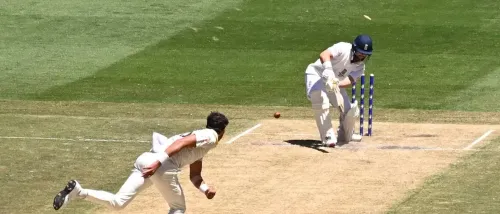
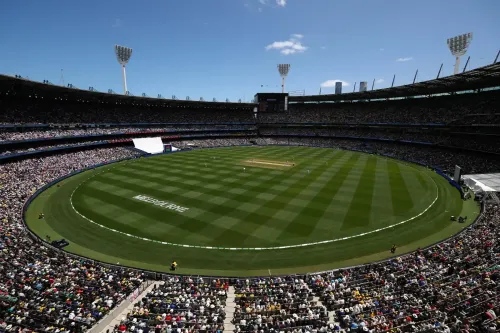
The 10mm layer of grass on the pitch led to an astonishing 36 wickets falling within just six sessions at the Melbourne Cricket Ground (MCG), as England celebrated a long-awaited Test match victory in Australia with a four-wicket win. England bowled out Australia for 132 in their second innings, setting a target of 175, which they chased down after losing six wickets.
“When you're out there, facing the conditions, you must adapt and proceed. However, in all honesty, that’s not really the scenario you wish for. A Boxing Day Test match should not finish in less than two days,” Stokes expressed during the post-match press conference.
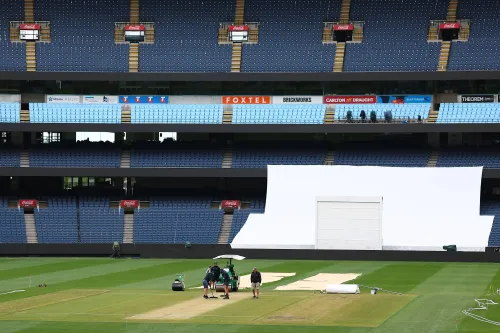
Australia’s stand-in captain Steve Smith raised concerns regarding the MCG pitch preparation, stating he was ‘unsure’ why head groundsman Matthew Page decided to maintain so much grass on the surface. Page is expected to address this issue in a media briefing on Sunday.
“We allow them to make their judgment and do as they see fit. I mentioned before the game that the pitch appeared to offer a fair amount, and it likely did more than anticipated. It’s challenging for a groundsman as they strive for the right balance. Last year’s wicket was exceptional, lasting until day five’s last session,” he noted.
“Ideally, every pitch would function that way, creating excitement for everyone. Perhaps if the grass height were reduced from 10mm to 8mm, it might have resulted in a more balanced and challenging wicket. Groundsmen are always learning, and I’m sure he’ll take valuable lessons from this,” Smith concluded.
Point of View
The ongoing discussions around the MCG pitch highlight the importance of pitch preparation in cricket. While England's victory is commendable, the implications of such conditions on the game must be assessed carefully. It's essential for groundsmen to find a balance that ensures competitive matches without compromising the integrity of the sport.
NationPress
19 Sept 2026
Frequently Asked Questions
Why did the match finish so quickly?
The match concluded swiftly due to the pitch conditions, which featured a 10mm grass layer that led to 36 wickets falling in six sessions.
What did Ben Stokes say about the pitch?
Ben Stokes expressed that he wouldn't want a game to end in less than two days and noted that the pitch would attract more criticism if prepared elsewhere.
Who questioned the pitch preparation?
Australia’s stand-in captain, Steve Smith, questioned the decision of the head groundsman regarding the grass left on the pitch.
What was the outcome of the match?
England won the match by four wickets, marking their first Test victory in Australia in 14 years.
What is the significance of the MCG pitch discussion?
The discussion highlights the ongoing challenges in pitch preparation and its impact on the game, raising questions about future Test matches.