Axar blames bad luck after DC's 75-run collapse to RCB, eyes stability over changes
Synopsis
Delhi Capitals' 75-run implosion against RCB wasn't just about swing and bounce — it was a crisis of confidence rooted in the previous match's heartbreak. Axar Patel's admission that the team felt unable to defend back-to-back reveals the psychological fragility lurking beneath DC's season. With six matches left and the skipper vowing stability over panic changes, the question is whether belief can be rebuilt before the window closes.
Key Takeaways
Delhi Capitals were bowled out for 75 against RCB at Arun Jaitley Stadium on 28 April , losing six wickets in their opening four overs .
Skipper Axar Patel attributed the collapse to "bad luck" but acknowledged psychological hesitation from failing to defend 264/2 against Punjab Kings in the previous match.
RCB won by nine wickets ; Bhuvneshwar Kumar and Josh Hazlewood exploited swing and bounce.
Axar backed debutant Sahil Parekh despite his second-ball dismissal, citing his net performance and potential.
DC have six matches remaining; Axar ruled out wholesale team changes, emphasising stability and mental preparation.
The skipper appealed to fans for continued support, framing the remaining fixtures as a collective fight.
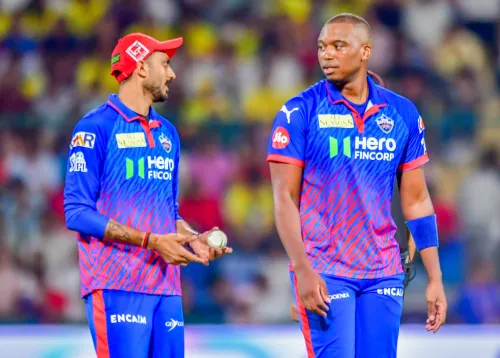
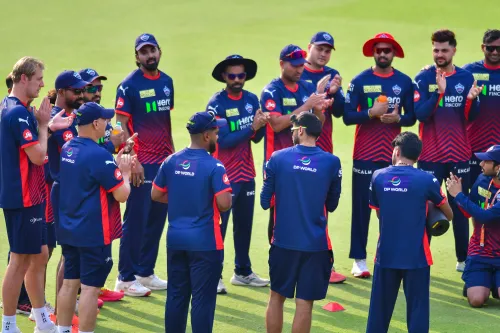
Delhi Capitals skipper Axar Patel attributed his team's catastrophic 75-run collapse against Royal Challengers Bengaluru at the Arun Jaitley Stadium on 28 April to "bad luck," but conceded that the psychological hangover from their failure to defend 264/2 against Punjab Kings in the previous match may have bred hesitation that proved fatal in the rout.
The collapse in context
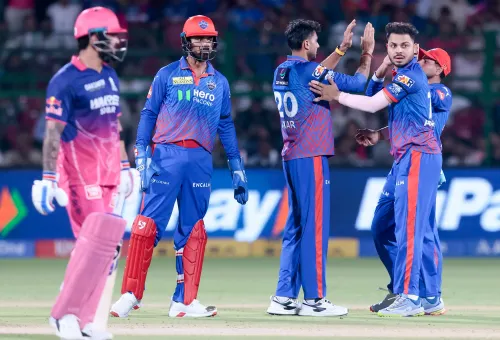
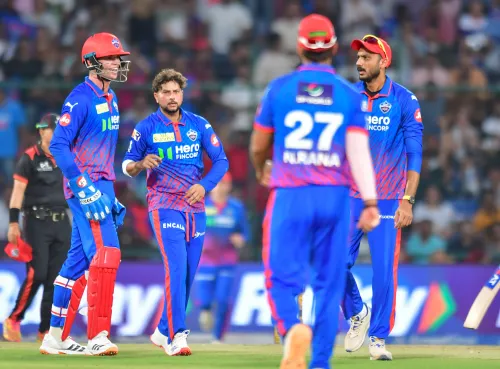
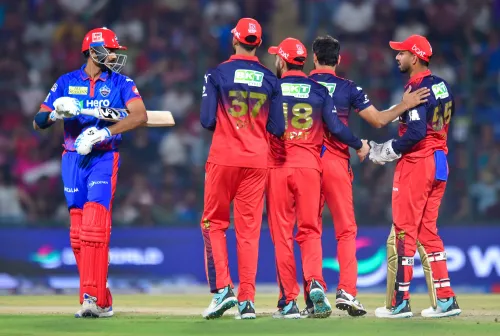
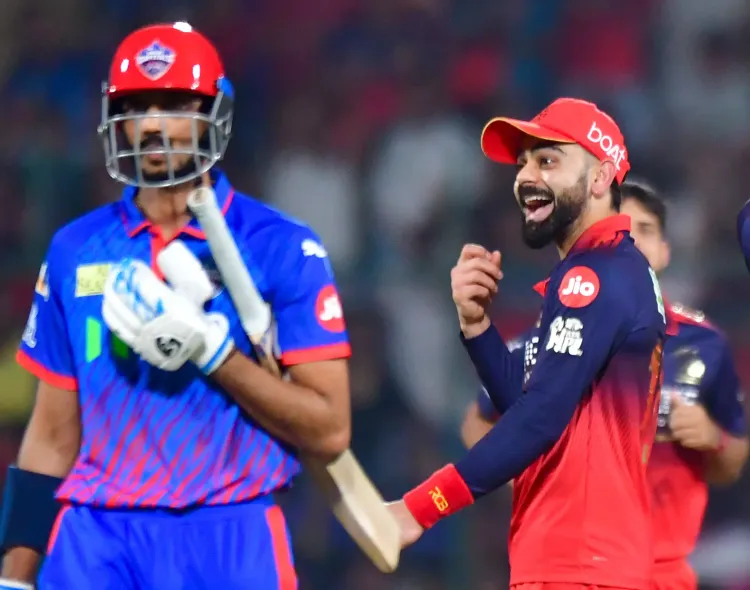
DC were bundled out for just 75 after losing six wickets in their opening four overs, handing RCB a nine-wicket victory. International-calibre batters and promising youngsters alike surrendered without a counter-strategy to the swing and bounce generated by Bhuvneshwar Kumar and Josh Hazlewood. The manner of the defeat — six wickets in 15–16 balls — left little room for tactical redemption.
The psychological toll
Axar's candid assessment revealed the weight of the preceding loss. "Because of what happened in the last game, I felt that even after doing so much as a team, you can win nine out of ten times. But after that it felt like we could not defend back-to-back — so I feel there was some hesitation because of that," he said. In the Punjab Kings match, KL Rahul had smashed a record-breaking 152 not out while Nitish Rana contributed 91, only for both to be dismissed by Josh Hazlewood's bounce on Monday. That dramatic reversal appeared to weigh on the team's mindset.
On the pitch conditions and bowling performance
Axar defended his bowlers, attributing the low first-innings total to conditions rather than execution. "If you look at the first over, there was swing. Later, once the second ball from Chameera got hit for a boundary, the swing stopped and it becomes a different game," he explained. He added that when a team scores 60–70 runs in the first innings, bowlers enter the second half demoralised. "The way we batted, I would call it bad luck. Because of that, we cannot blame the bowlers."
Backing the debutant Sahil Parekh
Axar defended the decision to hand IPL debut to teenaged opener Sahil Parekh, who replaced Pathum Nissanka and was dismissed second ball by a late inswinging yorker from Bhuvneshwar Kumar. "The reason was to have a left-right combination at the top because we had two right-handers opening," Axar said. He highlighted Parekh's performance in nets and practice matches as evidence of potential. "It was his first match and he got out early on the second ball, so I cannot judge. But the way he has been batting, we believe he has potential to do something special."
On individual preparation and pressure handling
When asked about batters' inability to handle high-pressure situations against quality bowling, Axar shifted responsibility to individual preparation. "Preparation is personal. As a player, you also have a responsibility that what should be your preparation if you are going to play IPL or international cricket," he said. He noted that DC runs camps across Surat, Hyderabad, and Dubai, offering uncapped players continuous cricket exposure. "I feel that uncapped players should focus on basics. If your basics are strong, then you do range hitting on your own."
The road ahead: stability over upheaval
With six matches remaining and Mitchell Starc available from 1 May, Axar ruled out wholesale team changes. "If you look at the last eight matches, it's the first time that we've played bad cricket or collapsed. I don't think you'll get results if you make a lot of changes. It's important to have a good mindset and be mentally prepared," he said. Instead, he emphasised continuity, mental stability, and process-driven preparation. "There won't be a lot of changes in the team, but yes, it's important to be mentally stable and move forward together."
A plea for fan support
Axar ended with a direct appeal to DC supporters. "If the fans are disheartened, even the players are just as disheartened. After so much hard work, it hurts to lose. I think this is the time they should support the players," he said. He urged fans not to withdraw backing after a loss, framing the remaining six games as a collective fight. "My basic theory is what you can do, what's in your control. As a team, you can be with the team and fight ahead in the remaining six games and we will face result together without worrying about it."
Point of View
And that psychological fracture is now bleeding into their batting. The 75-run collapse wasn't just about Bhuvneshwar's swing; it was about a squad that had just watched a 264-run total evaporate and was playing not to lose rather than to win. With six matches left and the playoff window narrowing, DC's problem isn't selection or tactics — it's mental resilience. Stability over changes is the right call, but only if the players can genuinely reset.
NationPress
18 Sept 2026
Frequently Asked Questions
Why did Delhi Capitals collapse to 75 against RCB?
DC were bowled out for 75 after losing six wickets in their opening four overs on 28 April at Arun Jaitley Stadium. Skipper Axar Patel attributed it to "bad luck" combined with swing and bounce from Bhuvneshwar Kumar and Josh Hazlewood, but also acknowledged that psychological hesitation from their previous match — where they failed to defend 264/2 against Punjab Kings — may have contributed to a lack of batting intent.
What did Axar say about the psychological impact of the Punjab Kings match?
Axar admitted that the team felt unable to defend back-to-back, creating hesitation going into the RCB game. He said: 'Because of what happened in the last game, I felt that even after doing so much as a team, you can win nine out of ten times. But after that it felt like we could not defend back-to-back — so I feel there was some hesitation because of that.'
Will Delhi Capitals make team changes after the collapse?
No. Axar ruled out wholesale changes, stating: 'If you look at the last eight matches, it's the first time that we've played bad cricket or collapsed. I don't think you'll get results if you make a lot of changes.' He emphasised mental stability and process-driven preparation over upheaval, with six matches remaining in the season.
Who is Sahil Parekh and why did Axar back him despite his early dismissal?
Sahil Parekh is a teenaged opener who made his IPL debut for DC against RCB, replacing Pathum Nissanka. He was dismissed second ball by a late inswinging yorker from Bhuvneshwar Kumar. Axar defended the selection, citing Parekh's left-right combination at the top and his strong performance in nets and practice matches, saying: 'The way he has been batting, we believe he has potential to do something special.'
When will Mitchell Starc be available for Delhi Capitals?
Mitchell Starc will be available from 1 May onwards, potentially offering DC additional bowling depth in their remaining six matches of the season.