BWF Approves Major 3x15 Scoring Overhaul from January 2027
Synopsis
The BWF has voted 198-43 to replace badminton's 3x21 scoring format with a 3x15 system from January 2027 — the sport's biggest rule change in decades. While the governing body promises faster, more fan-friendly matches, top-ranked stars like Shi Yuqi and Anders Antonsen have raised pointed concerns about fairness and competitive balance.
Key Takeaways
BWF approved the 3x15-point scoring system at its Annual General Meeting in Horsens, Denmark on April 26, 2025 .
The vote passed with a decisive 198-43 margin , well above the two-thirds majority required to amend the scoring laws.
The new format takes effect from January 2027 , replacing the long-standing 3x21-point system .
Matches will be played to 15 points per game , with extension to 21 points permitted if scores are level.
1 Shi Yuqi and World No.
2 Anders Antonsen have publicly raised concerns about competitive fairness under the new format.
The system was previously trialled at the World Junior Championships in Guwahati, India in 2024 before global rollout.
The Badminton World Federation (BWF) has officially approved a landmark scoring overhaul, replacing the traditional 3x21-point format with a new 3x15-point system, set to take effect from January 2027. The decision was passed overwhelmingly at the BWF Annual General Meeting held in Horsens, Denmark, marking the most significant structural change to competitive badminton in decades.
Historic Vote at BWF Annual General Meeting
The proposal sailed through with a decisive 198-43 vote, comfortably exceeding the two-thirds majority threshold required to amend the long-standing scoring laws of the sport. The strong institutional backing signals a near-universal consensus among BWF member associations that the game needs a modern refresh to stay competitive in the global sports entertainment market.
The meeting took place on Saturday, April 26, 2025, in Horsens, Denmark. This vote ends months of debate that began when the BWF first floated the alternative format as part of its broader modernisation agenda.
How the New 3x15 Format Works
Under the revised structure, matches will be contested as best-of-three games, with each game played to 15 points. However, if the score reaches a tie, the game can extend to a maximum of 21 points — preserving some of the dramatic tension of the classic format while significantly compressing overall match duration.
This hybrid approach ensures that close, competitive matches retain their edge-of-the-seat quality, while routine contests are wrapped up more efficiently. The BWF's Alternative Laws of Badminton framework had already codified this system before it was put to a full membership vote.
Testing Phase and Road to Approval
The 3x15 system was not introduced overnight. It underwent more than a year of structured trials across multiple levels of competition, including national championships, Grade 3 BWF events, and most notably the World Junior Championships in Guwahati in 2024 — a high-profile test run that gave the federation critical performance and reception data before scaling it globally.
The Guwahati trial was particularly significant as it involved elite junior talent from across the world, providing a real-world stress test of the format under competitive conditions. Feedback from that event reportedly helped refine the final proposal presented in Denmark.
Why BWF Believes This Change Is Necessary
The BWF has articulated several strategic rationales behind the format shift. Shorter matches are expected to reduce physical fatigue on players, potentially extending career longevity — a pressing concern as the professional calendar grows increasingly demanding. The federation also argues the change will ease tournament scheduling and deliver more predictable, consistent broadcast windows for media rights holders and broadcasters.
From a commercial standpoint, shorter and more intense matches are better suited to the shrinking attention spans of digital-era sports audiences. The move mirrors similar format experiments in cricket (T20), tennis (Fast4), and volleyball, where governing bodies have tried to make traditional sports more palatable for younger, streaming-first audiences.
Notably, this reform comes at a time when badminton's Olympic viewership and global sponsorship revenues are under scrutiny, and the BWF is under pressure to grow the sport's commercial footprint beyond its traditional strongholds in Asia and Northern Europe.
Player Reactions: Support and Scepticism
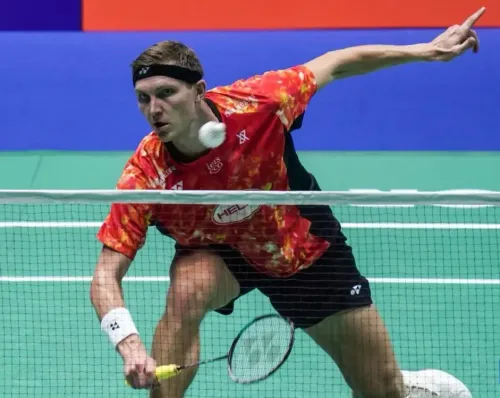
The change has not been universally welcomed within the playing community. World No. 1 Shi Yuqi of China has voiced concerns that the shorter format could disproportionately benefit older, more experienced players who rely on tactical intelligence over physical endurance. Denmark's World No. 2 Anders Antonsen expressed similar reservations, suggesting the new system may inadvertently favour physically weaker players by reducing the premium on stamina and sustained athleticism.
On the other side of the debate, lower-ranked and emerging players have largely welcomed the change, viewing the compressed format as a genuine opportunity to upset established stars and disrupt the current hierarchy. In a 15-point game, a single moment of brilliance can swing a contest — a dynamic that could democratise outcomes at the highest level.
Critics also raise concerns about how the format interacts with doubles and mixed doubles disciplines, where rallies tend to be shorter and the current 21-point system already produces relatively quick matches. Whether the 3x15 system adds meaningful value across all five disciplines remains a point of ongoing discussion among coaches and analysts.
Broader Implications for Indian Badminton
For India, which has invested heavily in badminton infrastructure following the successes of PV Sindhu, Lakshya Sen, and the Thomas Cup-winning team, the format change carries both opportunity and risk. Indian players known for their aggressive, high-intensity style may need to recalibrate their match strategies. However, the reduced physical toll could benefit younger Indian talents currently climbing the world rankings.
The Badminton Association of India (BAI) has not yet issued a formal public statement on how it plans to adapt domestic circuits and coaching programmes ahead of the January 2027 implementation deadline.
With the 2028 Los Angeles Olympics on the horizon, all eyes will be on whether the new format debuts at the Games — a decision that would amplify its global impact and cement its place as the definitive scoring standard for professional badminton worldwide.
Point of View
Much like T20 cricket did for the BCCI. The lopsided 198-43 vote masks a real fault line: elite players who built careers on the 21-point grind now face a format that could erase their competitive edge overnight. What's conspicuously absent from the official narrative is a credible transition plan for national federations, coaches, and ranking systems. India, in particular, must move fast — the 2028 Olympics could be the first Games played under these rules, and preparation windows are already shrinking.
NationPress
16 Sept 2026
Frequently Asked Questions
What is the BWF 3x15-point system and when does it start?
The BWF 3x15-point system is a new badminton scoring format where matches are played as best-of-three games to 15 points, with the possibility of extending to 21 points if tied. It was approved in April 2025 and will officially replace the 3x21 format from January 2027.
Why did BWF change the badminton scoring format?
The BWF changed the scoring format to make matches shorter, reduce player fatigue, improve tournament scheduling, and attract more viewers and broadcasters. The federation believes the 3x15 format modernises the sport for digital-era audiences.
How did the BWF vote on the new scoring format?
The BWF approved the 3x15 scoring system with a 198-43 vote at its Annual General Meeting in Horsens, Denmark. This comfortably exceeded the two-thirds majority required to amend the sport's fundamental laws.
Which players have opposed the new BWF scoring format?
World No. 1 Shi Yuqi and World No. 2 Anders Antonsen of Denmark have both expressed concerns about the 3x15 format. Shi Yuqi believes it may favour experienced players, while Antonsen suggests it could benefit physically weaker competitors.
Was the BWF 3x15 system tested before approval?
Yes, the BWF tested the 3x15 system over more than a year in national competitions, Grade 3 events, and the World Junior Championships held in Guwahati, India in 2024. The trials provided data that informed the final proposal voted on in Denmark.