Cabo Verde exit FIFA World Cup 2026 but script historic fairytale
Synopsis
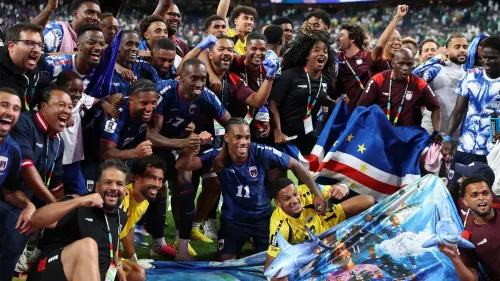
Cabo Verde — a half-million-strong island nation — became the smallest country ever to reach a FIFA World Cup Round of 32, then pushed reigning champions Argentina to a 3-2 extra-time thriller in Miami before an own goal ended their debut. They equalised twice against the world champions. That alone is the story.
Key Takeaways
Cabo Verde lost 3-2 to Argentina in extra time in the FIFA World Cup 2026 Round of 32 on 4 July in Miami .
The Blue Sharks became the smallest nation ever — by population ( half a million ) and land area ( 4,000 sq km ) — to reach the World Cup Round of 32.
Cabo Verde equalised twice against the defending champions, with Deroy Duarte and Sidny Lopes Cabral scoring.
An 111th-minute own goal by Diney Borges ended Cabo Verde's historic run.
Coach Bubista said the dressing room was 'sad but proud,' calling the performance a reflection of the team's 'soul and identity.' Cabo Verde had finished the group stage unbeaten — drawing all three games — to finish above Uruguay and Saudi Arabia .
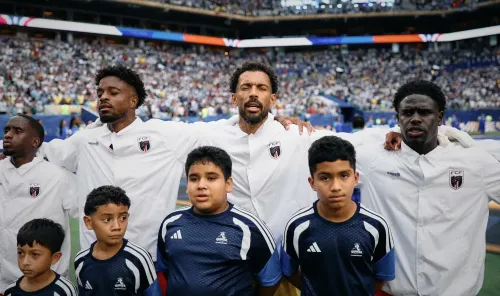
Cabo Verde, the smallest nation ever to reach the FIFA World Cup Round of 32, bowed out of the 2026 World Cup on 4 July in Miami after a breathtaking 3-2 defeat to Argentina in extra time — a result that did nothing to diminish the magnitude of what the Blue Sharks had already achieved. For a nation of just half a million people spread across an archipelago of 4,000 square kilometres, simply being on this stage was history.
A Group Stage for the Ages
Cabo Verde arrived at the knockout rounds having navigated the group stage without a single defeat, drawing all three matches to finish second on three points — one ahead of both two-time champions Uruguay and Saudi Arabia. Their reward was a Round of 32 fixture against Lionel Messi's Argentina, the reigning world champions, in Miami. Few gave the tournament debutants a realistic chance. What followed redefined expectations entirely.
How the Match Unfolded
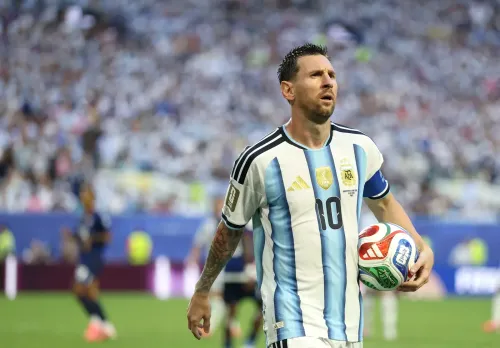
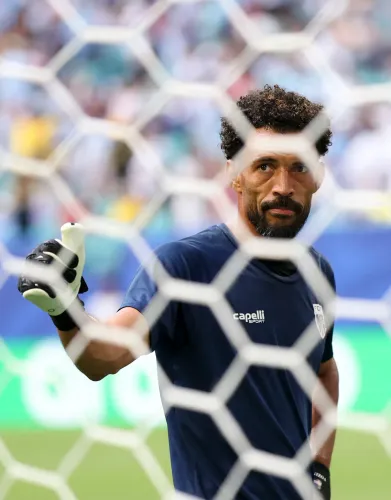
Argentina drew first blood when Lionel Messi killed a lofted ball from Lisandro Martinez with a brilliant touch before firing past goalkeeper Vozinha just before the half-hour mark. Cabo Verde, however, refused to fold. Deroy Duarte collected a cross from Ryan Mendes and drove the ball through Martinez's legs and past Emi Martinez to level — a seismic moment against the defending champions.
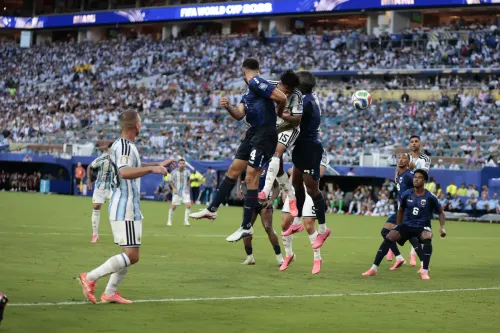
A pair of outstanding Vozinha saves and a crucial clearance from Pico Lopes kept the scores level through ninety minutes. In extra time, an unmarked Lisandro Martinez lashed home at the near post after a Messi corner was flicked on by Alexis Mac Allister in the 92nd minute to put Argentina ahead once more. Still, Cabo Verde came back.
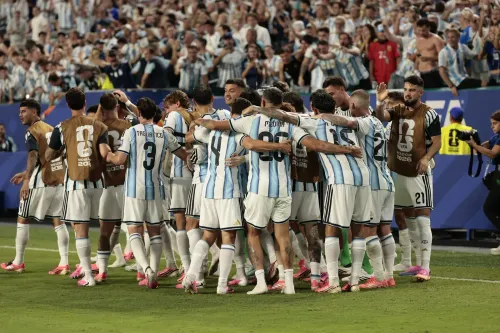
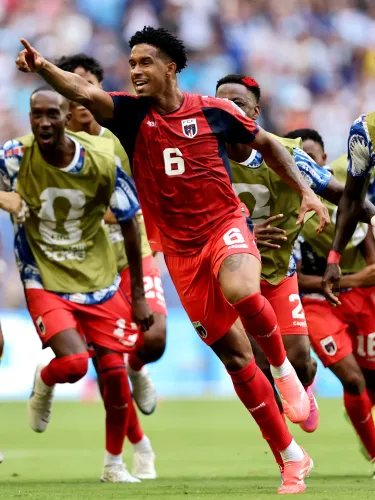
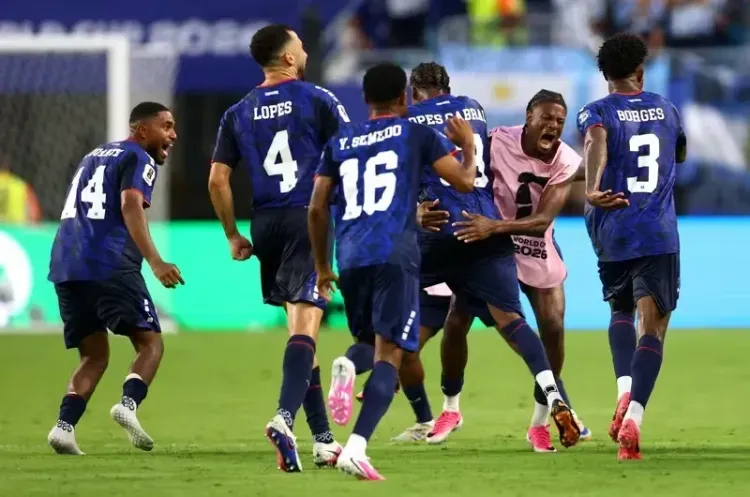
In one of the goals of the tournament, Sidny Lopes Cabral danced past Mac Allister and lasered a shot into the far corner to make it 2-2 — drawing the Blue Sharks level for a second time against the world champions. There was to be no third miracle, however, as a 111th-minute own goal by Diney Borges sealed a 3-2 victory for Argentina on an extraordinary night in Miami.
What the Coach Said
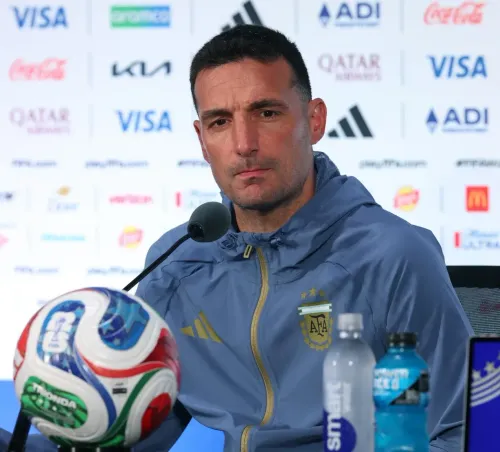
Cabo Verde head coach Bubista reflected on the result with unmistakable pride. 'We drew twice against the world champions, we took it to extra time... More than anything, it's being proud of our players who were dignified in the World Cup. We showed our identity. I feel enormous pride in my players and what they did,' he told reporters. 'They played with dignity and courage. I also want to congratulate our opponent because they showed why they are world champions.'
Bubista also acknowledged the emotional toll in the dressing room. 'The feeling in the dressing room is one of sadness. We're disappointed because we're leaving the tournament and because we came so close. But the players should also be proud of what they achieved representing our country. They were hugging each other and crying, and that's part of growing. It shows this team has a soul, and we are very proud of them,' he added.
The Scale of What Cabo Verde Achieved
Cabo Verde only gained independence in 1975, and the national football federation began its journey just three years later in 1978. Becoming the smallest nation by population ever to reach a FIFA World Cup Round of 32 is a landmark that will endure regardless of the scoreline. This is a team that scored twice against Argentina — something few sides at the tournament can claim — and pushed the champions to extra time before a cruel own goal ended their run. Notably, Cabo Verde's achievement surpasses any previous benchmark set by a small-island or micro-nation at a World Cup finals.
Point of View
But the real story is what Cabo Verde exposed: the gap between the traditional football order and the rest of the world is narrowing faster than FIFA's seeding system acknowledges. A nation of half a million people, with no domestic top-flight infrastructure to speak of, twice equalised against the best team on the planet. The own goal that ended it was cruel randomness, not a reflection of quality. What mainstream coverage will underplay is the structural question this raises — about investment in African football development, about how many other Cabo Verdes are waiting to emerge, and about whether the expanded 48-team World Cup format, often criticised as dilution, is in fact its most compelling argument.
NationPress
2 Oct 2026
Frequently Asked Questions
How far did Cabo Verde go in the FIFA World Cup 2026?
Cabo Verde reached the Round of 32, where they were eliminated by Argentina in a 3-2 extra-time defeat on 4 July in Miami. They became the smallest nation ever — by both population and land area — to reach that stage of a FIFA World Cup.
How did Cabo Verde qualify for the Round of 32?
Cabo Verde drew all three of their group-stage matches to finish second on three points, edging out two-time champions Uruguay and Saudi Arabia on goal difference. Their unbeaten group run earned them a Round of 32 tie against Argentina.
Who scored for Cabo Verde against Argentina?
Deroy Duarte scored the first equaliser by finishing Ryan Mendes' cross, and Sidny Lopes Cabral scored the second — widely described as one of the goals of the tournament — dancing past Alexis Mac Allister before firing into the far corner.
What did Cabo Verde coach Bubista say after the match?
Bubista said he was 'enormously proud' of his players, noting that 'not many teams could score twice against Argentina and take them to extra time.' He described the dressing room as 'sad but proud,' adding that the performance reflected the team's identity and soul.
Why is Cabo Verde's World Cup run considered historic?
With a population of just half a million and a land area of 4,000 square kilometres, Cabo Verde are the smallest nation ever to reach the FIFA World Cup Round of 32. The country only gained independence in 1975 and began its football journey in 1978, making their 2026 debut a landmark for small-nation football worldwide.