How Does Arriving Early Help India Adapt to Australia's Weather for the AFC Women's Asian Cup?
Synopsis
India's early arrival in Australia for the AFC Women's Asian Cup 2026 has proven beneficial. With rigorous training and acclimatization, coach Amelia Valverde emphasizes the importance of preparation. Discover how this strategic move aids in their readiness for the upcoming matches.
Key Takeaways
India was the first team to arrive in Australia.
Rigorous training is being conducted daily.
Adaptation to local weather is crucial.
Friendly matches in Turkey enhanced competitive readiness.
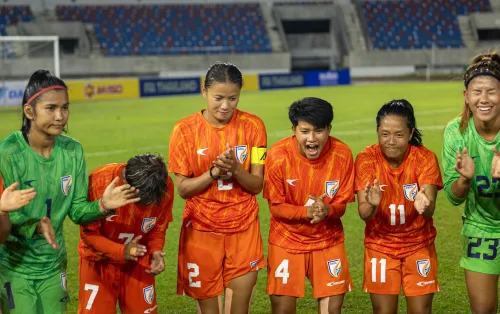
Team cohesion and strategy are priorities.
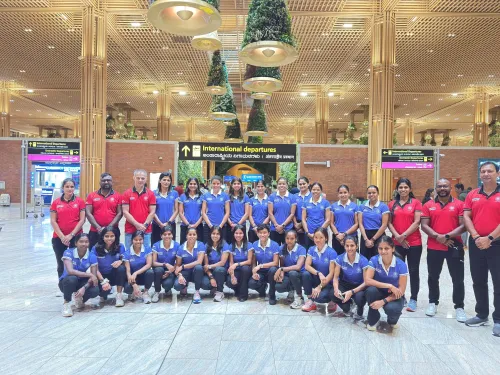
New Delhi, Feb 20 (NationPress) India proudly holds the distinction of being the first team among the 11 visiting nations to arrive in Australia for the AFC Women's Asian Cup 2026, landing in Perth on February 11, a full three weeks prior to their opening match against Vietnam on March 4.
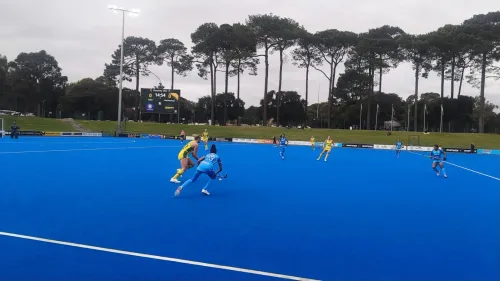
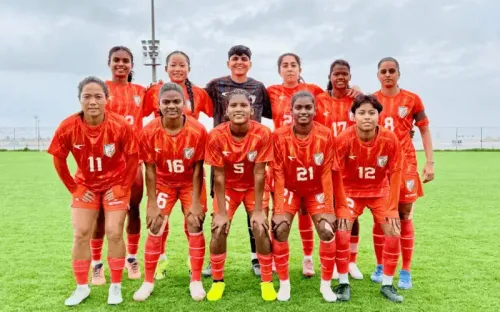
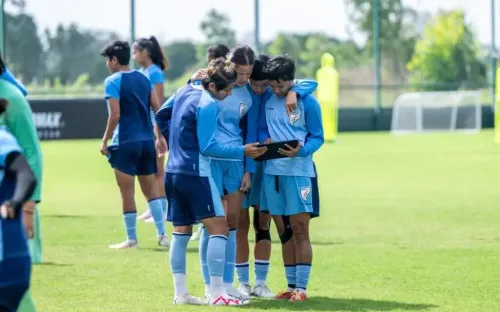
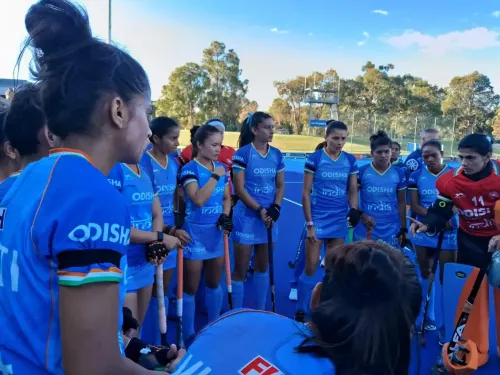
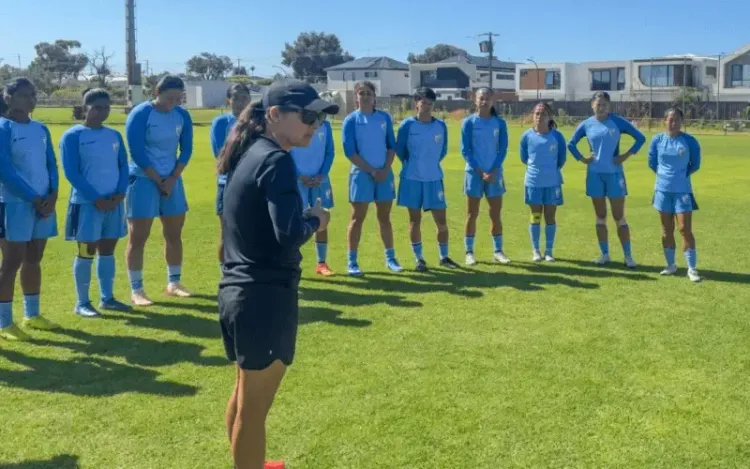
In Perth, the Indian team is adhering to a stringent training regimen, incorporating daily on-field practices and gym workouts, with evenings dedicated to team discussions and analyzing opponents.
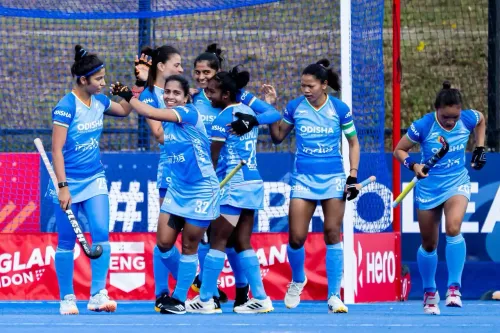
India secured a resounding victory in their inaugural friendly match on Australian soil, triumphing over Perth RedStar FC with a score of 5-0 last Thursday, and they are set to face Perth Azzurri on Monday.
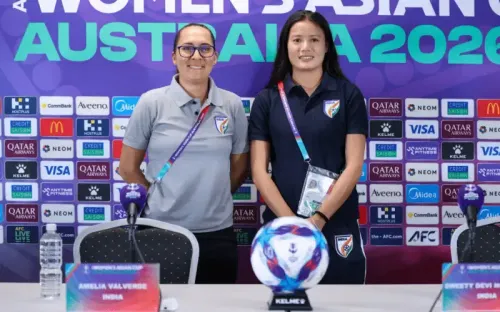
"Being the first team to land on the 11th has put us in a great position. We are delighted to be fully settled, which is crucial. With approximately 12 days remaining until our first match, we feel positive about the players and the team dynamics. Training is going well, and we are eagerly awaiting the start of official activities," stated India’s head coach Amelia Valverde in an interview with the-aiff.com.
Transitioning from the chilly single-digit temperatures of winter in Turkey, Valverde and her squad are adjusting to the warmer summer climate of Perth, but their early arrival has significantly eased this process.
"It took a few days to acclimate to the time zone and the weather. The climate here contrasts sharply with Türkiye, where it was pouring rain. Here, daytime temperatures soar between 30 and 35 degrees. However, our matches are scheduled for the evening, so it shouldn't be an issue," Valverde explained.
"To manage the time zone change, the key is simply having time, which we have in abundance. This is a positive aspect for us. We understand the importance of hydration, proper nutrition, and all necessary measures to ensure we are ready," Valverde added.
Preparations for the AFC Women's Asian Cup kicked off in Gurugram after the conclusion of the first half of the IWL season in mid-January. Once the team gathered near the capital for three days of training, they flew to Antalya, where Valverde joined them for the first time.
"This past month has been incredibly fruitful. I’m not fixated on the number of days but rather on the quality of our time together. We’ve utilized this period effectively, focusing on enhancing key variables that align with our model and strategies. The extended camp offers numerous benefits, allowing us to review many videos and engage in what we call 'invisible training.'
"Our training extends beyond the pitch. We engage in gym workouts, individual meetings, combined sessions, and group video analyses. We strive to maximize every opportunity. With two weeks remaining, we aim to further improve and present the best version of our team," the Costa Rican coach elaborated.
During their time in Turkey, India played six friendlies against European clubs, winning three (including matches against Schlieren, Hertha BSC, and Zvezda-2005 Perm), drawing one (against Spartak Moscow), and losing two (against Metalist 1925 and Csikszereda).
"Many of those friendlies served as excellent preparation matches, featuring some high-caliber opponents. They elevated the competitive level within the group. Personally, these matches provided valuable insights into the players' performance in real match scenarios, which was crucial. They also helped us build our competitive rhythm. Before arriving here, we even played three matches in one week. That’s the purpose of friendlies: to develop rhythm, observe, evaluate, and explore different scenarios.
"In several matches, we ensured all players had opportunities, with nearly everyone participating in the games in Turkey, as we needed to make key decisions. Unfortunately, we had to leave out three players (Adrija Sarkhel, Karishma Shirvoikar, and Priyadharshini Selladurai) who had performed admirably, but that’s the nature of football. We aimed to assess as many players as possible, whether they were starters or substitutes, and in varying situations," Valverde concluded.
Point of View
It’s essential to acknowledge India's proactive approach by arriving early for the AFC Women's Asian Cup. Their commitment to training and acclimatization speaks volumes about their preparation and determination. This strategic decision may very well enhance their performance on the international stage.
NationPress
25 Sept 2026
Frequently Asked Questions
Why did India arrive early in Australia?
India arrived early to acclimatize to the weather and time zone, allowing the team to train effectively and prepare for their matches.
What kind of training is the Indian team undergoing?
The Indian team is engaged in a rigorous training schedule that includes on-field practices, gym workouts, team meetings, and opposition analysis.
What is the significance of the friendly matches played in Turkey?
The friendly matches in Turkey provided valuable experience against high-level opponents, helping the team raise their competitive level and build rhythm ahead of the tournament.
How has the weather affected the team's preparation?
The transition from Turkey's cold weather to Australia's summer has required some adjustment, but arriving early has made this process smoother.
What are the team's goals for the AFC Women's Asian Cup?
The team's primary goals are to perform at their best, capitalize on their preparation, and advance through the tournament by maximizing their training and teamwork.