Danish Kaneria slams Pakistan cricket after 0-2 England Test debacle
Synopsis
Danish Kaneria's post-Lord's verdict goes far beyond blaming the players — he is indicting an entire system. From the dismantling of departmental cricket to the PCB's revolving-door approach to captains and coaches, he argues Pakistan have not just lost a series but lost the competitive DNA that once made them formidable. The Bangladesh comparison stings most: a side once considered minnows now wins Tests in Australia, while Pakistan can't field a bowler above 120 kph.
Key Takeaways
Pakistan lost the England Test series 0-2 , with the deciding defeat at Lord's by 194 runs .
Seven players , including Mohammad Rizwan and Salman Ali Agha , were released; head coach Sarfaraz Ahmed and bowling coach Umar Gul were sacked mid-series.
Danish Kaneria blamed the PCB's dismantling of departmental cricket as the root cause of Pakistan's talent drought.
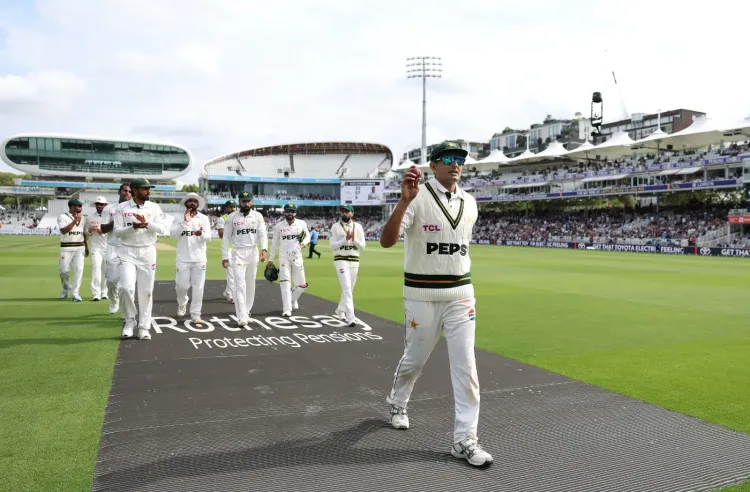
Mohammad Abbas took nine wickets at Lord's, including a five-wicket haul , but could not prevent defeat.
Kaneria called for selectors to scout talent at domestic matches rather than relying solely on PSL performances.
Five uncapped players have been added to the squad for the third Test at Birmingham .
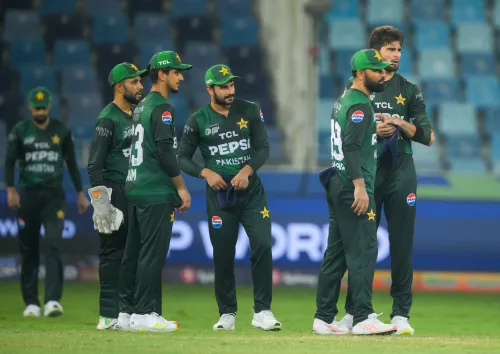
Former Pakistan leg-spinner Danish Kaneria has launched a withering critique of Pakistan's cricketing establishment following the national side's 0-2 Test series defeat against England, questioning player selection, coaching appointments, the domestic structure, and the absence of administrative accountability. The series loss — sealed by a 194-run defeat at Lord's — has triggered sweeping mid-series changes, including the release of seven players and the sacking of head coach Sarfaraz Ahmed and bowling coach Umar Gul.
The Depth of the Crisis, According to Kaneria
For Kaneria, the Lord's result is a symptom, not the disease. He argued that Pakistan cricket has lost its competitive identity over years of systemic neglect. 'It's a shame that after 70 years, Pakistan has gone through such a disaster. There is no logic, selection committee, or play. They are just good for nothing,' he said. 'If a person loses, he tries and fights before losing. The fight has to be visible. Here, there's no fight.'
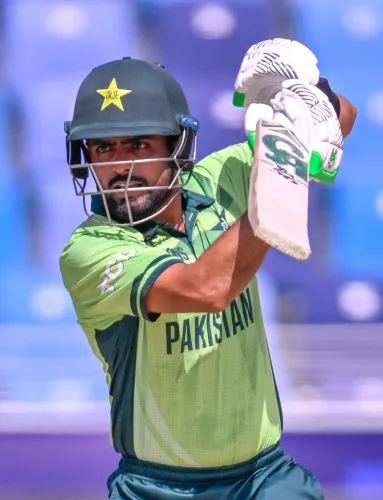
He reserved particular criticism for the Pakistan Cricket Board (PCB)'s handling of the captaincy, pointing to the repeated appointment and removal of Babar Azam as evidence of a rudderless administration. 'First you made Babar the captain, then removed him... then made him captain again. Now you are talking about removing him again. Your cricket won't improve like this,' Kaneria said.
Coaching Appointments and the Younis Khan Missed Opportunity
Kaneria expressed frustration at the brevity of Sarfaraz Ahmed's tenure as head coach, describing it as symptomatic of PCB's inability to commit to a plan. He recalled being encouraged when Younis Khan was linked with the chief selector's role, believing the former captain's knowledge and discipline could have made a difference — only for those talks to reportedly collapse over terms and conditions.
'You need to bring someone who can take losses and wins on himself. And Younis is such a person,' he said. He also criticised the revolving-door approach to support staff, arguing that coaches need at least a year to build systems and should be held accountable through structured performance reviews rather than sudden dismissals.
The Bowling Crisis and Tactical Naivety
Kaneria was blunt about the state of Pakistan's bowling attack, lamenting the absence of genuine pace and quality spin. He questioned the selection logic that saw experienced performers dropped while untested names were included. 'Mohammad Abbas has been playing county cricket in England for a long time. He has experience, and you drop him!' he said, noting that Abbas ultimately took nine wickets at Lord's, including a five-wicket haul in the second innings — a lone bright spot in an otherwise bleak series.
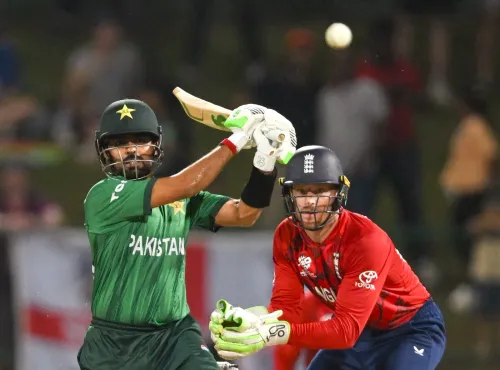
He was equally pointed about Pakistan's batting approach in English conditions, singling out Babar Azam's dismissal as emblematic of a failure to adapt. 'You can't hit a drive openly in England. There is seam and swing in England. You have to play square there. This is common sense,' he said. He also questioned Mohammad Rizwan's continued presence, describing both his keeping and batting form as below the required standard for Test cricket.
Domestic Structure: The Root Cause
Kaneria identified the dismantling of departmental cricket as the foundational error behind Pakistan's prolonged decline. He argued that replacing the department system — where employers funded teams and attracted the best players — with a regional structure increased quantity at the cost of quality. 'When the department destroyed cricket, made the players unemployed... you increased the quantity, but the quality of the players is not there at all. It's zero,' he said.
He contrasted this with the long-standing domestic frameworks in England (county cricket) and Australia (Sheffield Shield), which he said have remained structurally intact and continue to produce Test-ready players. He also cited the Board of Control for Cricket in India (BCCI)'s contractual requirement for players to participate in first-class cricket as a model worth emulating. He further pointed to Bangladesh's recent Test win in Australia as evidence that other nations have developed identifiable strengths while Pakistan has allowed its own fast-bowling and spin traditions to erode.
What Needs to Change
Kaneria's proposed reset is structural rather than cosmetic. He called for selectors to attend domestic matches in person to identify talent — rather than relying almost exclusively on Pakistan Super League (PSL) performances — and for the PCB to appoint an experienced, independent-minded head coach with a clear mandate and a defined assessment timeline. 'Bring in the coach, tell him we're giving you 1 year, you win or lose but we will take a report from you after a year. There'll be accountability then,' he said.
He also urged the board to identify a settled captain from domestic cricket and build a young squad around a small core of senior players, referencing the approach taken by Pakistan in the early 2000s under administrator General Tauqir Zia as a template. With Pakistan now preparing for the third Test at Birmingham under a reshaped coaching staff and with seven squad changes already made, the pressure on the board to demonstrate a credible long-term plan has never been greater.
Point of View
A decision taken in the name of modernisation, has quietly hollowed out Pakistan's talent pipeline over the better part of a decade, and the Lord's scorecard — bowled out for 110 and 194 — is its most visible invoice yet. The PCB's pattern of appointing coaches for three-month stints and reshuffling captains mid-series is not crisis management; it is crisis generation. The Bangladesh comparison deserves more attention than it is getting: a side Pakistan once dismissed as irrelevant now wins Tests in Australia with a settled structure and a foreign coach given genuine authority. Pakistan's administrators have the example in front of them; the question is whether accountability will ever reach those who set the conditions for this decline.
NationPress
16 Oct 2026
Frequently Asked Questions
Why did Danish Kaneria criticise Pakistan cricket?
Danish Kaneria criticised Pakistan's cricketing system following a 0-2 Test series defeat against England, targeting the PCB's handling of player selection, coaching appointments, and the dismantling of domestic cricket structures. He argued the problems run far deeper than any single result.
What changes did Pakistan make after the Lord's Test defeat?
Pakistan released seven players, including Mohammad Rizwan and Salman Ali Agha, and sacked head coach Sarfaraz Ahmed and bowling coach Umar Gul. Five uncapped players were added to the squad for the third Test at Birmingham.
What is Danish Kaneria's view on Pakistan's domestic cricket structure?
Kaneria believes the abolition of departmental cricket was the single biggest structural error behind Pakistan's decline. He argued that replacing department teams — which paid players and attracted the best talent — with a regional system increased quantity at the expense of quality, leaving the national side without a credible talent pipeline.
How did Mohammad Abbas perform in the Lord's Test?
Mohammad Abbas was Pakistan's standout performer at Lord's, taking nine wickets in the match including a five-wicket haul in the second innings. Despite his efforts, Pakistan still lost by 194 runs, prompting Kaneria to question why Abbas had initially been dropped from the squad.
What solution does Danish Kaneria propose for Pakistan cricket?
Kaneria has called for a structural reset: restoring the primacy of domestic first-class cricket, having selectors scout talent at ground level rather than relying on PSL alone, appointing an experienced independent head coach with a defined one-year mandate, and building a young squad around a settled captain with a small core of senior players.