Manisha Keer: From village near Bhopal to Asian Games silver in trap shooting
Synopsis
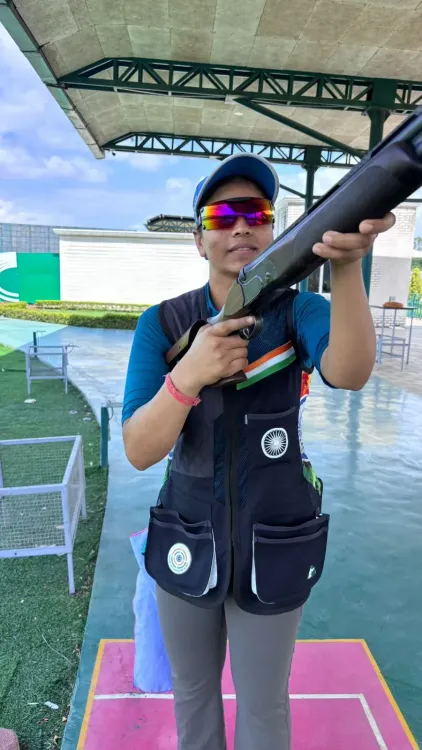
Manisha Keer had never heard of shooting when her sister introduced her to the sport in a village near Bhopal. Navigating financial hardship and coaching gaps at the Madhya Pradesh State Shooting Academy, she went on to win a junior World Championship silver in 2018 and an Asian Games silver — a story of self-reliance that mainstream sports coverage rarely centres.
Key Takeaways
Manisha Keer grew up in a village near Bhopal with no prior knowledge of shooting before her elder sister Sona introduced her to the sport.
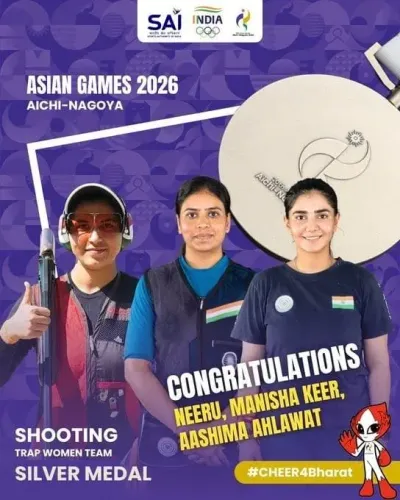
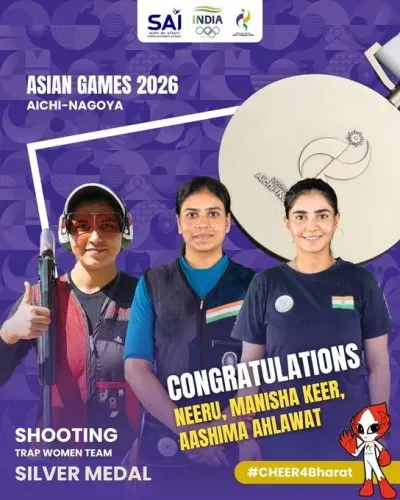
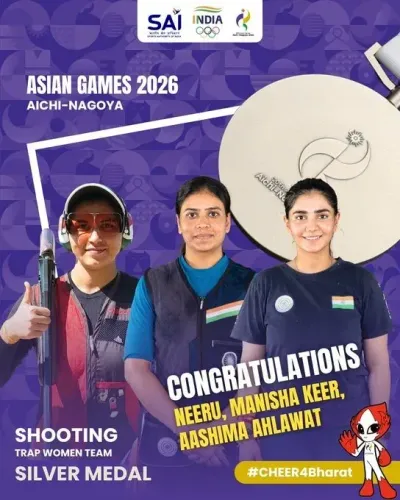
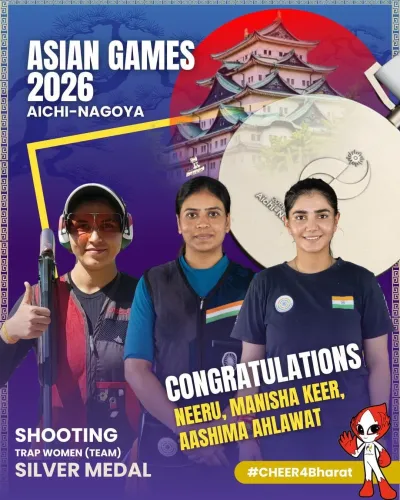
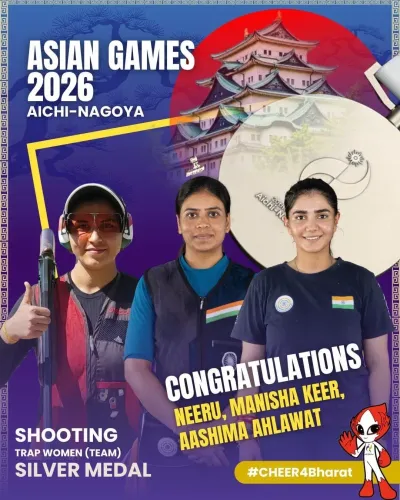
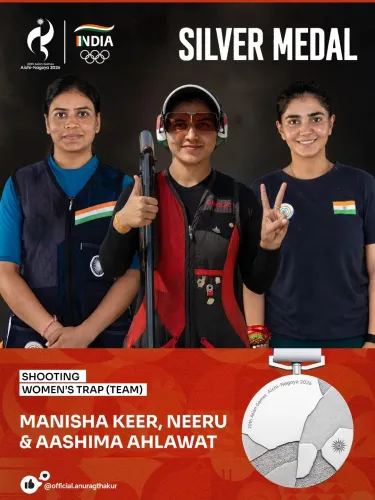
She won a junior World Championship silver medal in trap in 2018 and an Asian Games silver medal as part of India's women's trap team.
Financial constraints forced her to manage travel and food costs carefully from as young as 18 .
Early training at the Madhya Pradesh State Shooting Academy lacked a regular coach; she relied on available facilities and her sister's guidance.
The National Rifle Association of India (NRAI) later provided structured support that she credits as pivotal to her international career.
Indian trap shooter Manisha Keer, who grew up in a village near Bhopal with no knowledge of shooting, has gone on to win a junior World Championship silver medal in 2018 and an Asian Games silver medal as part of India's women's trap team — a journey shaped by financial hardship, self-reliance, and institutional backing that arrived only after the foundations were already laid.
An Unlikely Introduction to the Sport
Manisha's entry into shooting came through her elder sister Sona, herself a sportsperson, who introduced her to the discipline. Until then, Manisha's sporting world was limited to cricket, volleyball, and football. 'I didn't even know what shooting was. I only knew cricket, volleyball and football. I didn't even know about shooting and I didn't even think about it,' she recalled.
The discovery set off a chain of events that would eventually take her to international podiums — but not without considerable personal cost.
Financial Struggles and Early Sacrifices
Coming from a family with limited financial resources, Manisha had to navigate the demands of a sport that requires expensive equipment, travel, and training infrastructure. 'My family was not that capable to support me. They couldn't give me everything that I wanted. It was very difficult for me,' she said.
The challenge intensified when competition travel began. Still only 18, she learned to stretch limited funds across tournaments. 'When I used to go out for competitions, I had to face a lot of challenges. I couldn't eat what I wanted to eat. I had to save some money,' she recollected. This is a reality shared by many athletes from smaller cities and rural backgrounds in India, where sport infrastructure outside the metros remains uneven.
Training at the Madhya Pradesh State Shooting Academy
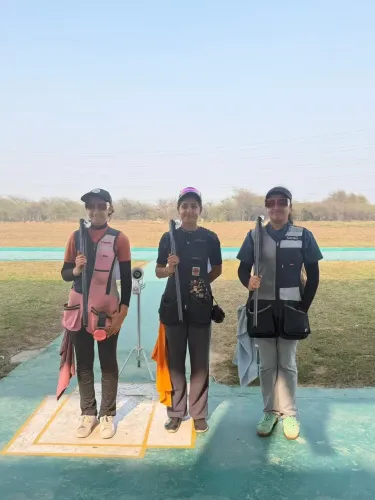
Manisha's early time at the Madhya Pradesh State Shooting Academy was marked by improvisation. With no regular coach available in the initial phase, she relied on the facilities at hand and guidance from her sister. 'In the academy, whatever was there was enough for us. I mean, you have to do what you have,' she said.
That adaptability became a defining trait. Rather than waiting for ideal conditions, she built her technique around what was accessible — a pragmatic approach that arguably accelerated her development as a competitor.
Rising Through the Ranks
Manisha's progress from a first-generation shooting athlete to an international medallist was steady rather than sudden. Her junior World Championship silver in trap in 2018 signalled her arrival on the global stage, and her Asian Games silver as part of the Indian women's trap team confirmed her standing as one of the country's leading performers in the discipline.
The journey also shaped her outlook on independence. 'No one can be together all the time. We have to take care of ourselves too. That was also a learning point,' she reflected. 'I learned from whatever I had, and that's how I grew up.'
NRAI Support and the Road Ahead
As her career progressed, Manisha found increasing institutional backing from the National Rifle Association of India (NRAI), which provided structured training and competitive opportunities. 'Of course, the support from the NRAI has been very important for me. When you come from a background where you don't have everything, having an organisation that gives you the opportunity to compete, train and represent the country means a lot. I am very grateful for that support and for the opportunities I have received,' she said.
Now preparing for another major international challenge, Manisha's trajectory offers a template for athletes from resource-constrained backgrounds — one built on resilience, institutional support arriving at the right moment, and an unshakeable ability to make the most of every opportunity.
Point of View
Logistical, psychological — that athletes from urban academies never encounter. The NRAI's eventual support was meaningful, but it arrived after the hardest miles were already walked alone. India's shooting programme has produced world-class results, yet the pipeline still depends heavily on individual resilience rather than systemic early intervention. If the goal is consistent medal production across shooting disciplines, the Manisha Keers of the next generation should not have to learn to skip meals before they learn to shoot.
NationPress
16 Oct 2026
Frequently Asked Questions
Who is Manisha Keer and what has she achieved in shooting?
Manisha Keer is an Indian trap shooter from a village near Bhopal, Madhya Pradesh. She won a junior World Championship silver medal in trap in 2018 and an Asian Games silver medal as part of India's women's trap team, making her one of the country's prominent performers in the discipline.
How did Manisha Keer get introduced to shooting?
Manisha was introduced to shooting by her elder sister Sona, herself a sportsperson. Before that, Manisha had no knowledge of the sport and was familiar only with cricket, volleyball, and football.
What financial challenges did Manisha Keer face early in her career?
Manisha came from a family with limited financial resources and had to manage travel and food expenses carefully during competitions from as young as 18. She has spoken about having to save money and go without preferred meals during tournaments.
Where did Manisha Keer train and what was the academy like?
She trained at the Madhya Pradesh State Shooting Academy, where the early phase lacked a regular coach. She made use of available facilities and relied on guidance from her sister to develop her skills.
What role did the NRAI play in Manisha Keer's career?
The National Rifle Association of India (NRAI) provided Manisha with structured training opportunities and platforms to compete and represent the country internationally. She has credited NRAI support as especially significant given her resource-constrained background.