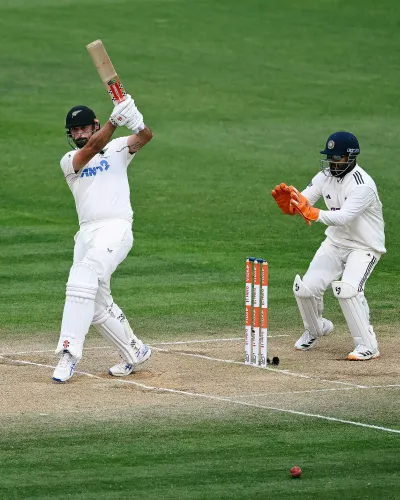
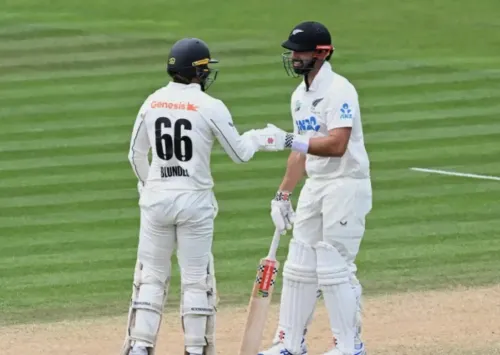
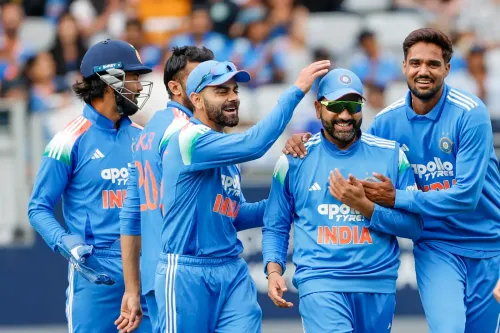
Daryl Mitchell backs early draw call in India-NZ first Test
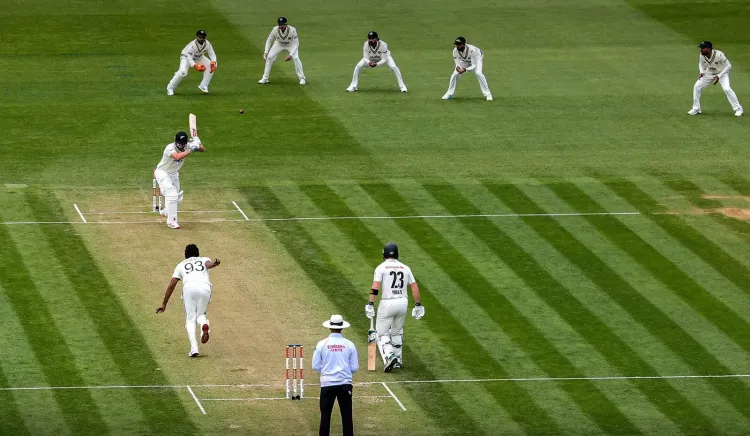
Synopsis
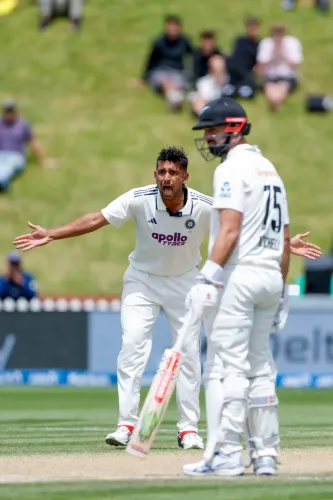
India had 15 overs and five wickets left to pursue, but Daryl Mitchell says New Zealand were happy to shake hands on a draw. Shubman Gill cited his fast bowlers’ workload before the deciding Test at Hagley Oval.
Key Takeaways
Daryl Mitchell said New Zealand were happy to accept an early draw in the first Test against India .
India agreed to the draw with 15 overs remaining and five New Zealand wickets still to take.
India captain Shubman Gill cited fast-bowling workload and the short turnaround between matches.
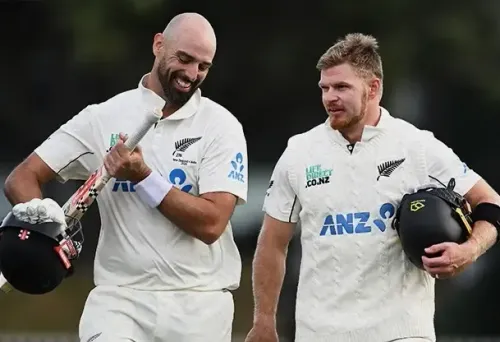
Mitchell praised New Zealand’s batting partnerships, including a contribution involving Henry Nicholls and Glenn Phillips .
The second and final Test begins at Hagley Oval, Christchurch , on 27 November .
Daryl Mitchell said New Zealand were happy to accept an early draw against India in the opening Test, recognising the strain on the visiting bowlers after five days of cricket. Speaking in Christchurch on 24 November, the batter looked ahead to the series decider at Hagley Oval, starting on 27 November.
India agreed to end the first Test in Wellington with 15 overs remaining and five New Zealand wickets still to take. India captain Shubman Gill had cited his fast bowlers’ workload and the short turnaround between matches as reasons for the decision.
Mitchell on India’s decision to draw
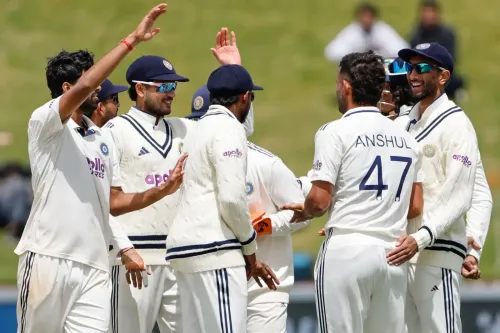
Mitchell said the effort of the Indian attack had been apparent throughout the final day. “You could see the amount of effort they were putting in throughout the day,” he told reporters.
He added: “When they wanted to shake hands, we were both pretty happy to do so.” Mitchell also acknowledged the physical toll the contest had taken on bowlers, who had been required to deliver multiple spells over the match.
Asked whether India might be disappointed not to pursue the remaining wickets, Mitchell declined to speak for the visitors. He said he was proud of New Zealand’s collective effort to secure the draw and was looking forward to the decider.
Batting partnerships secured the draw
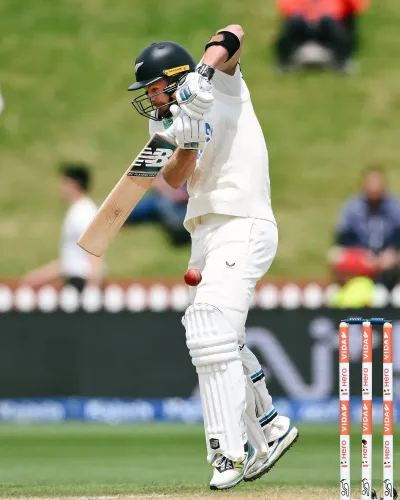
Mitchell credited the batting unit for putting together partnerships over long periods against India’s attack. He said it was satisfying to contribute individually, but emphasised the group’s work in avoiding defeat.
The batter also discussed sharing time at the crease with Glenn Phillips, saying the pair had adopted a different approach from their usual style. Maintaining concentration and responding to the team’s needs over extended periods, rather than simply stopping scoring, was the challenge, he said.
Mitchell also highlighted the partnership involving Henry Nicholls and Phillips earlier in the Test. He said there had been grass on the surface and movement for the bowlers in the first hour, making their contribution important to how the match developed.
Wellington lessons and Hagley conditions
Mitchell felt the Wellington pitch became slower and lower over the five days than might initially have been expected. At Hagley Oval, he suggested there could be more bounce, while stressing the importance of quickly adapting to whatever conditions emerge.
For both sides, the shift in venue presents a fresh assessment after a match in which the surface changed over time. Mitchell said several passages across the Test influenced the result and that both teams could take positives from it.
He added that New Zealand’s bowlers had been sore after their first Test outing in a while, but would have a few days to rest before playing again. India’s calculation likewise centred on managing its fast bowlers before the next match.
Series decider in Christchurch
Mitchell welcomed returning home to Christchurch and said several New Zealand players had substantial experience at Hagley Oval. He did not suggest that familiarity would necessarily give the hosts a major advantage, noting that India had also played there.
With the opening match drawn, the second and final Test will decide whether either team can claim the series. Play is scheduled to begin at Hagley Oval on 27 November.
Point of View
Rather than the overs remaining alone. The Christchurch Test will provide the next opportunity to assess how both attacks respond after a demanding five days.
NationPress
24 Nov 2026
Frequently Asked Questions
Why did India agree to a draw in the first Test against New Zealand?
India captain Shubman Gill cited the workload of his fast bowlers and the short turnaround before the next match. The teams shook hands with 15 overs remaining and five New Zealand wickets still to take.
What did Daryl Mitchell say about India's draw decision?
Daryl Mitchell said New Zealand were happy to accept the draw and acknowledged the effort put in by India's bowlers. He declined to speculate on whether India were disappointed.
When and where is the second India vs New Zealand Test?
The second and final Test begins on 27 November at Hagley Oval in Christchurch. The series remains undecided after the opening match was drawn.
How did New Zealand secure the draw in the first Test?
Mitchell credited New Zealand's batting unit for building partnerships over long periods against India's attack. He also highlighted the contribution of Henry Nicholls and Glenn Phillips earlier in the match.
What conditions does Mitchell expect at Hagley Oval?
Mitchell said there could be more bounce at Hagley Oval than on the Wellington surface, which he felt became slower and lower over five days. He stressed the need to adapt quickly to the conditions.