What Happened to Ex-England Spinner Norman Gifford at 85?
Synopsis
Norman Gifford, the legendary former England spinner, has died at 85 after a long illness. Renowned for his role in Worcestershire's success and his historic captaincy, Gifford's cricketing legacy remains influential. Discover his remarkable journey and impact on the sport in this tribute.
Key Takeaways
Norman Gifford passed away at 85, leaving a legacy in cricket.
He was pivotal in Worcestershire's success during the 1960s.
Gifford captained England in ODI cricket at an unprecedented age.
His contributions are honored through a trophy named after him.
Gifford's accuracy and control made him a respected bowler.
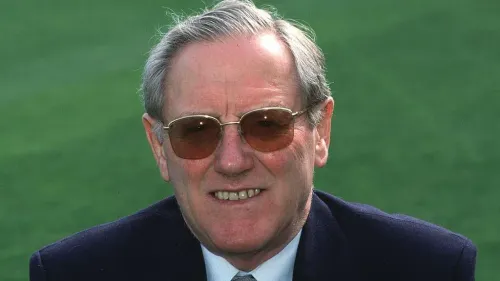
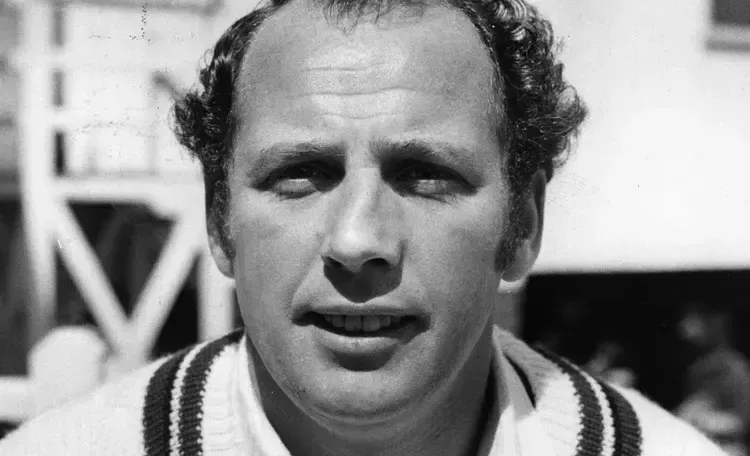
London, Jan 21 (NationPress) Norman Gifford, the former left-arm spinner for England and Worcestershire, has passed away at the age of 85 following a prolonged illness, as confirmed by the England Cricket Board on Wednesday.
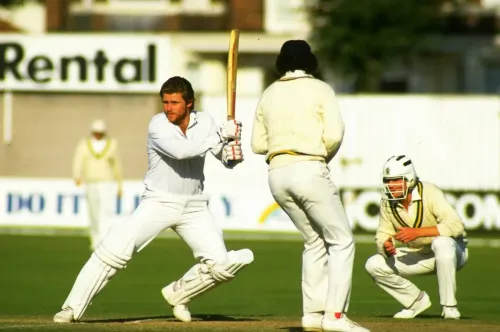
Gifford was instrumental during Worcestershire's illustrious period, contributing to the County Championship victories in 1964 and 1965. He subsequently became the captain, steering the team to yet another County Championship title in 1974 and clinching the Sunday League championship in 1971.
On the international stage, Gifford represented England in 15 Test matches and two One-Day Internationals from 1964 to 1973. His ODI appearances were during the 1980 Rothmans Four-Nations Cup in Sharjah, where he, at the age of 44, made history as the oldest captain in men's ODI cricket.
With senior players like David Gower absent, Gifford stepped up to lead the team. Although England faced defeats against Australia and Pakistan, he showcased his skills with impressive figures of 4 for 23 in the match against Pakistan.
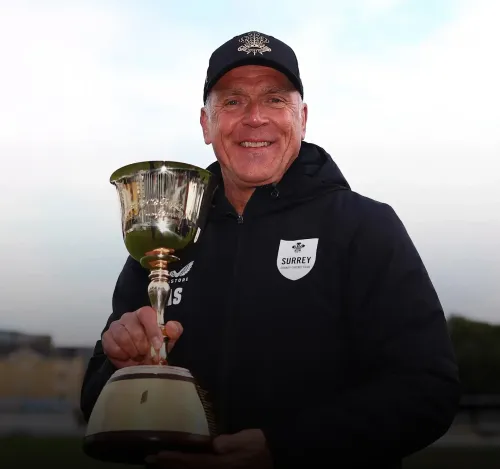
After his tenure with Worcestershire, Gifford moved to Warwickshire, where he captained for five seasons before retiring from professional cricket in 1988 at the age of 48. His legacy is honored through the Norman Gifford Trophy, contested between Worcestershire and Warwickshire during their Vitality Blast matches.
He also held the position of club president at Worcestershire and was later awarded an Honorary Vice Presidency for his dedication and service.
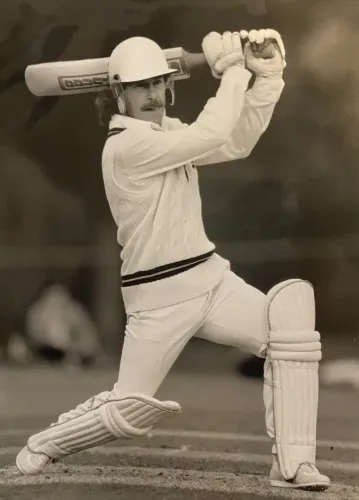
In his Test career, the slow left-armer took a total of 33 wickets, featuring a remarkable five-wicket haul against Pakistan in Karachi. Renowned for his precision and control, he maintained an impressive economy rate of 1.99, concluding with a bowling average of 31.09.
Despite his talent, Gifford's opportunities with England were limited due to the presence of competitors like Tony Lock and the younger Derek Underwood. Although they shared the field during the 1972–73 subcontinent tour, Underwood's ascent ultimately diminished Gifford's prospects at the international level.
Point of View
It is essential to recognize Norman Gifford's remarkable contributions to English cricket. His journey exemplifies dedication and excellence, inspiring future generations of players. We stand united in honoring his legacy and the impact he had on the sport.
NationPress
19 Sept 2026
Frequently Asked Questions
What were Norman Gifford's major achievements?
Norman Gifford was a key player in Worcestershire's County Championship victories and captained the team to further glory. He also made significant contributions to the England national team, becoming the oldest ODI captain at 44.
How many Test matches did Gifford play?
Gifford played in 15 Test matches for England between 1964 and 1973.
What is the Norman Gifford Trophy?
The Norman Gifford Trophy is an honor contested by Worcestershire and Warwickshire during their Vitality Blast matches, celebrating Gifford's contributions to both clubs.
Why was Gifford notable in ODI cricket?
Gifford became notable in ODI cricket for being the oldest captain in men's history at the age of 44 during the 1980 Rothmans Four-Nations Cup.
What legacy did Gifford leave behind?
Gifford's legacy includes his remarkable bowling skills, leadership, and the impact he had on English cricket, inspiring future generations.