Osaka storms into Wimbledon 2026 third round, obi sash steals the show
Synopsis
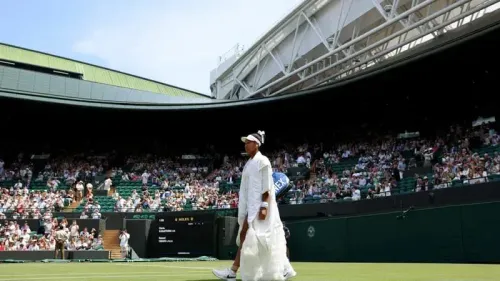
Osaka's Wimbledon 2026 campaign is running on two tracks simultaneously — dominant tennis and deliberate cultural storytelling. A 6-3, 6-2 demolition of Gasanova, built on eight aces and 76% first-serve dominance, was almost secondary to the white obi sash that turned Centre Court fashion on its head while staying within Wimbledon's all-white rules.
Key Takeaways
Naomi Osaka defeated Anastasia Gasanova 6-3, 6-2 on 1 July 2026 to reach the Wimbledon 2026 third round.
Osaka struck eight aces and won 76% of first-serve points, converting 3 of 6 break points.
Gasanova, ranked No.
225 , created zero break-point opportunities and won just 11 return points .
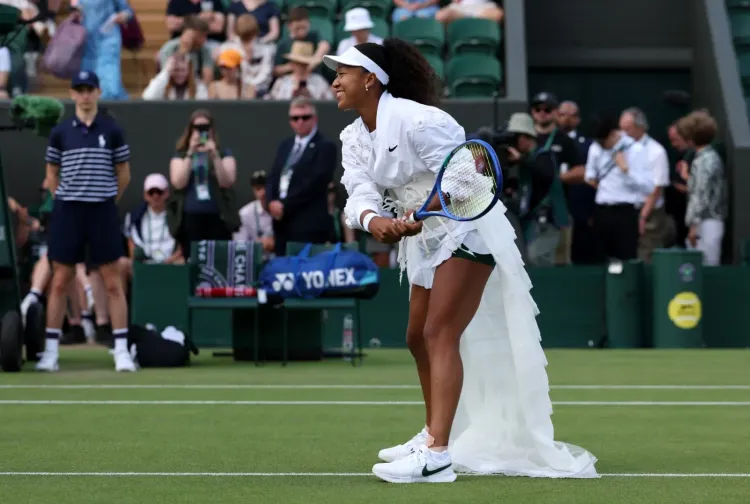
Osaka wore a white obi sash — a traditional Japanese kimono accessory — within Wimbledon's all-white dress code.
The obi follows a kimono-inspired look from her first-round match, reflecting Osaka's stated pride in her Japanese heritage .
Osaka had reached the Bad Homburg final the previous week before withdrawing as a fitness precaution.
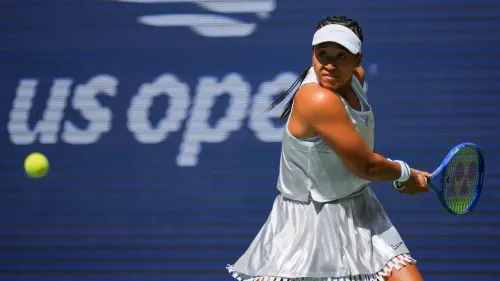
Naomi Osaka marched into the third round of Wimbledon 2026 with a clinical straight-sets win over qualifier Anastasia Gasanova, 6-3, 6-2, on Court 2 on Wednesday, 1 July — and then let her attire do the talking, as a flowing white obi sash drew as much attention as her tennis at the All England Club. The four-time Grand Slam champion was never seriously tested, wrapping up the contest in under an hour to continue a quietly impressive grass-court campaign.
A Match Osaka Controlled From the First Ball
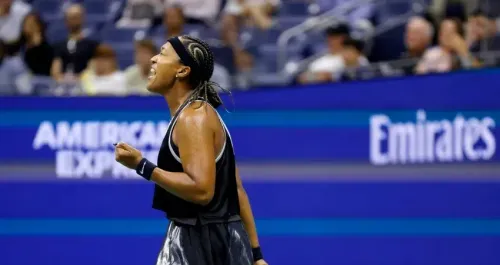
The contest offered Gasanova little room to breathe. Osaka, playing her first tour-level encounter against the Russian, imposed herself immediately through powerful serving and clean, purposeful ball-striking. The Japanese star struck eight aces and won 76 per cent of points on her first serve, converting three of six break-point opportunities while her opponent failed to create a single one.
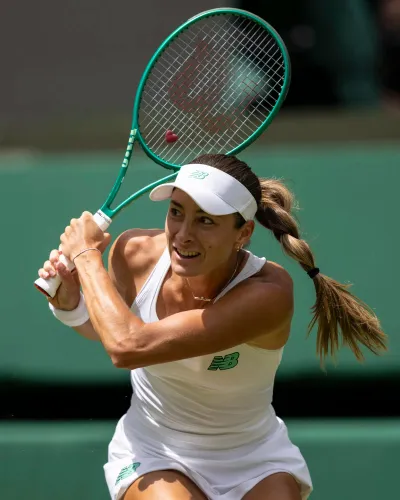
Gasanova, ranked No. 225 in the world, had arrived in the second round on the back of a qualifying run and an opening-round win over Emiliana Arango. But that momentum evaporated against Osaka's precision — the Russian managed just 11 return points across the entire match, never finding a foothold in rallies.
Grass-Court Form Building Quietly
The victory builds on Osaka's opening-round win over Elsa Jacquemot and follows a run to the final at Bad Homburg last week, from which she withdrew as a precaution before the title match. That withdrawal had prompted questions about her fitness ahead of Wimbledon, but the 27-year-old former world No. 1 has shown no visible signs of discomfort across her first two matches on grass.
Notably, this is among the most fluent grass-court stretches of Osaka's career — a surface that has historically demanded adjustment from her baseline-heavy game. Her serve, in particular, appears to have become a match-winning weapon on the low-bouncing Wimbledon courts.
The Obi: Cultural Statement Within Wimbledon's Dress Code
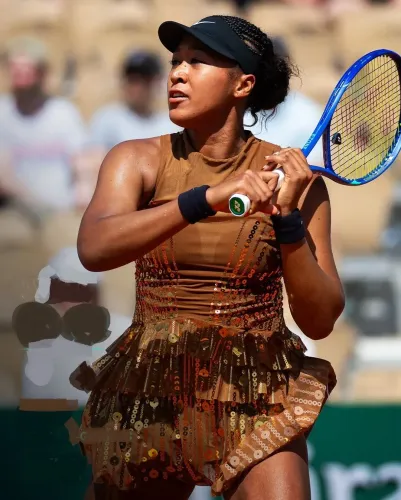
Away from the baseline, Osaka continued what has become one of the tournament's most talked-about fashion narratives. Having introduced a kimono-inspired look in her first-round appearance, she returned to Court 2 wearing a flowing white obi — the wide sash traditionally worn with a kimono in Japanese culture — integrated into an otherwise all-white outfit that complied fully with Wimbledon's strict dress code.
The obi carries layered cultural significance in Japan. Beyond its role in traditional dress, it is associated with martial arts such as judo, where the belt denotes discipline and rank, and evokes the sartorial traditions of the samurai, whose clothing and armour reflected identity and composure before combat. For Osaka, the choice is deliberate and personal.
'My Japanese heritage means a lot to me... so I thought it would be cool to come out in a kimono,' Osaka had said at her pre-tournament press conference on Sunday. The obi, worn without the full kimono in this match, served as a quieter but no less resonant continuation of that theme.
What's Next for Osaka
Osaka now advances to the third round, where she will face a fresh test as the draw opens up in the second week. Her combination of serve dominance, improving grass-court movement, and the cultural visibility she is generating off the court makes her one of the more compelling stories at this year's Championships. If her fitness holds, a deep run is firmly within reach.
Point of View
And if her fitness holds from the Bad Homburg withdrawal, she is a genuine contender rather than a feel-good storyline.
NationPress
30 Sept 2026
Frequently Asked Questions
What was Naomi Osaka's result at Wimbledon 2026 on 1 July?
Naomi Osaka defeated qualifier Anastasia Gasanova 6-3, 6-2 on Court 2 on 1 July 2026 to advance to the third round of Wimbledon 2026. The four-time Grand Slam champion was in full control throughout, conceding no break-point opportunities.
What is the obi that Osaka wore at Wimbledon?
The obi is a wide sash traditionally worn with a kimono in Japanese culture. Osaka incorporated a flowing white obi into her all-white Wimbledon outfit as a nod to her Japanese heritage, complying with the tournament's strict all-white dress code while making a cultural statement.
Why did Osaka withdraw from the Bad Homburg final before Wimbledon?
Osaka withdrew from the Bad Homburg final as a precaution, though the specific nature of the concern was not detailed publicly. She has shown no visible signs of discomfort during her first two matches at Wimbledon 2026.
How dominant was Osaka's serving against Gasanova?
Osaka struck eight aces and won 76 per cent of points on her first serve against Gasanova. Her opponent failed to create a single break-point opportunity and won just 11 return points across the entire match.
What did Osaka say about her kimono-inspired Wimbledon look?
At her pre-tournament press conference on Sunday, Osaka said: 'My Japanese heritage means a lot to me... so I thought it would be cool to come out in a kimono.' The obi worn in her second-round match continued that cultural theme without the full kimono.