Vaibhav Sooryavanshi could own this century like Sachin: Prasad
Synopsis
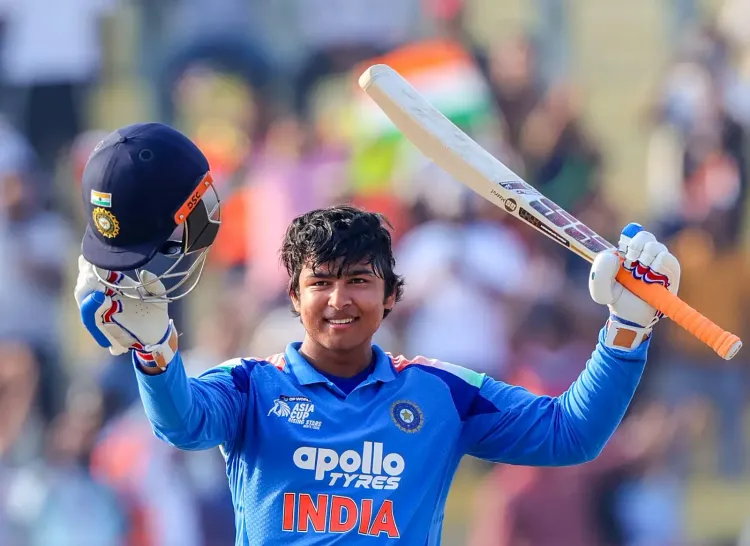
Former chief selector MSK Prasad says this century may belong to Vaibhav Sooryavanshi, just as the last belonged to Sachin Tendulkar. Days after the teen's record 204 off 53 balls, Prasad's real message was a warning: without Dravid and Laxman as protective mentors, a generational talent could be mishandled.
Key Takeaways
Former chief selector MSK Prasad called Vaibhav Sooryavanshi a once-in-a-generation talent who could own this century as Sachin Tendulkar did the last.
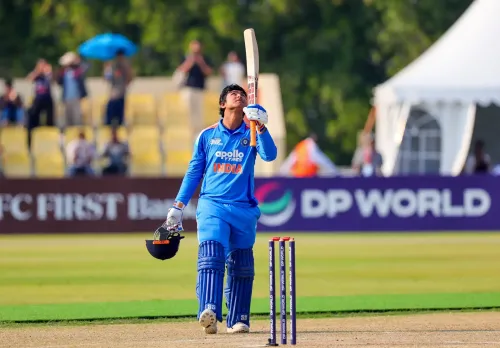
Sooryavanshi hit 204 off 53 balls with 28 sixes against the UAE in Doha , the fastest double-century in men's List A cricket.
He holds the fastest List A fifty ( 11 balls ), hundred, 150 and double-century records.
Prasad urged the BCCI to have Rahul Dravid and VVS Laxman mentor him.
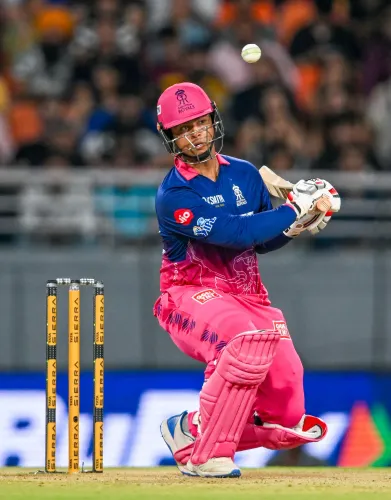
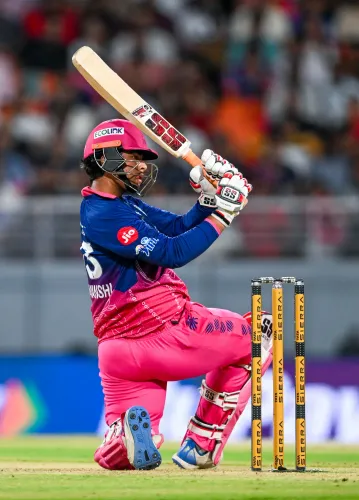
Sooryavanshi has 10 T20I caps , and two IPL hundreds and six fifties since his 2025 debut at 14 .
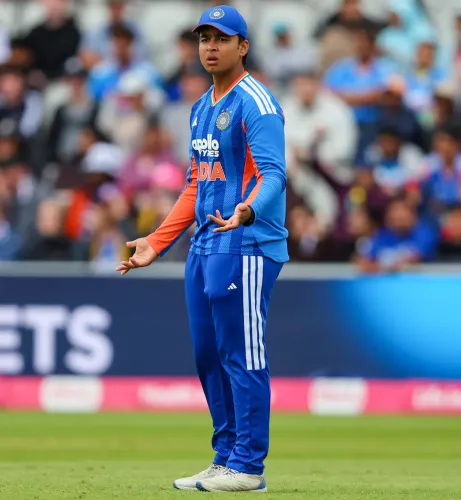
Former India chief selector MSK Prasad has said teenaged batting sensation Vaibhav Sooryavanshi could be to this century what Sachin Tendulkar was to the last. Prasad called him a once-in-a-generation talent who needs the right mentors to protect him if he is to live up to that promise. He made the remarks in an exclusive interaction on 27 November, days after Sooryavanshi's record-shattering 204 off 53 balls for India A in Doha.
Prasad, currently the Team Director of Venice Livewires, was direct about where he places the young opener. “I think Vaibhav is a once-in-a-generation player. I can say the same about other players – Priyansh is also a fantastic player. When it comes to Vaibhav, I think the previous century belonged to Sachin Tendulkar. Probably this century belongs to Vaibhav,” he said.
A Record-Breaking Run That Prompted the Comparison
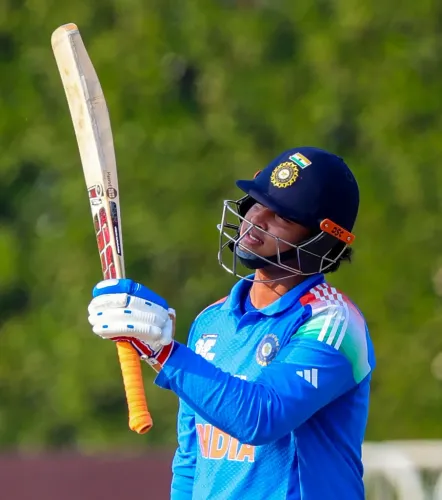
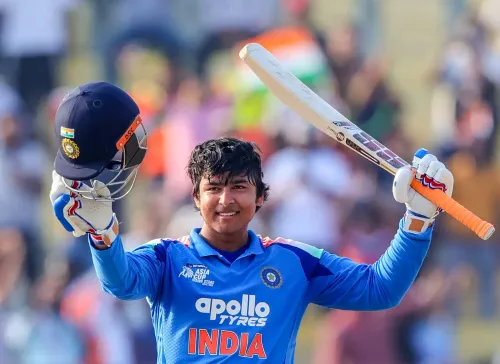
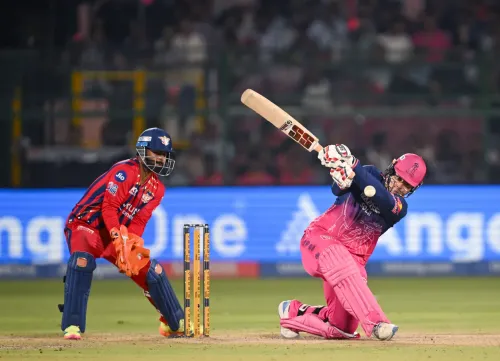
Prasad's comments followed Sooryavanshi's assault on the UAE in the Men's Rising Stars Asia Cup in Doha. The knock of 204 off 53 balls was the fastest double-century in men's List A cricket. His 28 sixes were the most ever struck in a single innings.
The innings also set records for the fastest List A hundred, the fastest 150 (beating his own mark) and the fastest double ton. Sooryavanshi already held the record for the fastest List A fifty. He reached it in 11 balls against Sri Lanka A in June, beating the 12-ball mark set by Sri Lanka's Kaushalya Weeraratne in 2005.
He is also the youngest centurion in both List A and T20 cricket, and the youngest captain in T20s.
From IPL Debut to India Cap
Since his IPL debut in 2025 at the age of 14, Sooryavanshi has scored two hundreds and six fifties across his first two seasons of the league. He was Player of the Final and Player of the Tournament in India's U19 World Cup triumph this year.
He has also earned 10 T20I caps for India since his debut against England in July. Few Indian cricketers have risen this fast in the modern era.
Prasad's Plea to the BCCI on Mentorship
Prasad's main concern is not talent but management. He pointed to the protection Tendulkar received from senior Mumbai cricketers when he broke through as a teenager.
“My only concern is how well he's handled. It's very, very important. When Sachin came on to the scene at the age of 16 or 17, he was a very mature person. He came from Mumbai, where you had Dilip Vengsarkar, Ravi Shastri and Sunil Gavaskar. All of them protected him with a wonderful umbrella over his head,” Prasad said.
He urged the Board of Control for Cricket in India (BCCI) to have Rahul Dravid and VVS Laxman guide the youngster. Laxman is currently head of cricket at the Centre of Excellence in Bengaluru. “It's my humble request to the BCCI that someone like Vaibhav Sooryavanshi should always be looked after and taken care of by these two wonderful gentlemen, Rahul Dravid and VVS Laxman,” he added.
“See, it's always good to have talent. But how can this talent be nurtured? How can this talent be converted into consistent performance? You need to have people looking after you so that you can just focus on the game,” Prasad said.
A Talent-Spotter's Track Record
Since his playing days ended, Prasad has built a career around spotting young players early. That work has taken him from Andhra cricket to the national senior men's selection panel and Lucknow Super Giants (LSG).
He said he spent six or seven years as a director with Andhra Cricket, where players such as KS Bharat and Nitish Kumar Reddy were picked at 13 or 14 and went on to represent India.
He also described a separate trial he held at LSG for Priyansh Arya, Prince Yadav and Digvesh Rathi. LSG signed two of them but missed out on Arya. “Priyansh Arya is somebody I desperately wanted at LSG, and somehow we missed out,” he said.
Arya underlined that judgement this week. While captaining Delhi against Tamil Nadu in the Syed Mushtaq Ali Trophy in Indore, he struck 181, the second-highest T20 score ever.
What Lies Ahead
Sooryavanshi's numbers are already historic. The next phase will test whether India's cricket structures can manage his workload, public exposure and development across formats.
Point of View
But Prasad's sharper point is about governance, not genius. Indian cricket has a mixed record with prodigies: early fame, packed calendars and franchise money have derailed more teenagers than poor technique ever did. Tendulkar had an informal safety net of senior Mumbai cricketers, and the IPL era offers no such natural shield. If the BCCI takes Prasad's suggestion seriously, it should build a formal mentorship and workload framework, not rely on goodwill alone.
NationPress
27 Nov 2026
Frequently Asked Questions
What did MSK Prasad say about Vaibhav Sooryavanshi?
MSK Prasad said the previous century belonged to Sachin Tendulkar and this one probably belongs to Vaibhav Sooryavanshi. He called him a once-in-a-generation player who must be protected by the right mentors.
What records did Vaibhav Sooryavanshi break in Doha?
Sooryavanshi scored 204 off 53 balls for India A against the UAE, the fastest double-century in men's List A cricket. His 28 sixes were the most in a single innings, and he also set the fastest List A hundred and 150 records.
Who does Prasad want to mentor Sooryavanshi?
Prasad urged the BCCI to have Rahul Dravid and VVS Laxman look after Sooryavanshi. He compared this to how Dilip Vengsarkar, Ravi Shastri and Sunil Gavaskar protected a young Sachin Tendulkar.
How has Sooryavanshi performed in the IPL and for India?
Since his IPL debut in 2025 at 14, Sooryavanshi has scored two hundreds and six fifties in two seasons. He has 10 T20I caps for India and was Player of the Tournament in this year's U19 World Cup win.
Who is Priyansh Arya, mentioned by Prasad?
Priyansh Arya is a left-handed opener who hit 181, the second-highest T20 score ever, while captaining Delhi against Tamil Nadu in the Syed Mushtaq Ali Trophy. Prasad said he desperately wanted him at LSG but missed out.