Santner rejects BBL deal for NZ Tests: coach Walter on 'measure of the man'
Synopsis
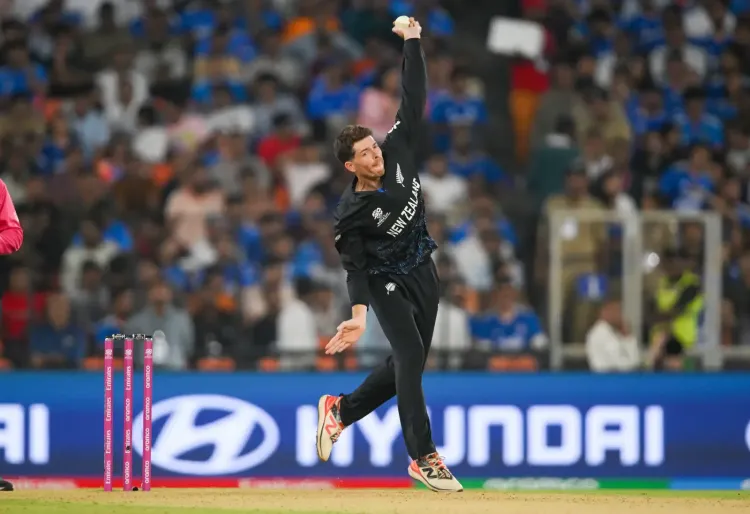
Mitchell Santner walked away from a lucrative BBL deal to stay available for New Zealand's Test side — and coach Rob Walter says it was never a surprise. With 10 white-ball matches against India in 20 days followed by six Tests and a tour of Australia, the Black Caps face their most demanding home summer in years, and Santner's loyalty could prove pivotal.
Key Takeaways
Mitchell Santner turned down a BBL contract to remain available for New Zealand's Test assignments in the 2026-27 season.
Coach Rob Walter called the decision 'the measure of the man', saying it was entirely in character for Santner.
Opener Finn Allen took a BBL franchise deal; Walter said he supports players maximising earnings as long as their desire to play for New Zealand stays strong.
New Zealand host India in 10 white-ball matches ( 5 T20Is + 5 ODIs ) over 20 days starting 22 October .
Walter identified pace-bowler workload management as the primary challenge, with six consecutive Tests to follow the white-ball leg.
The home series against India is also being framed as preparation for a subsequent Test tour of Australia and the broader World Test Championship cycle.
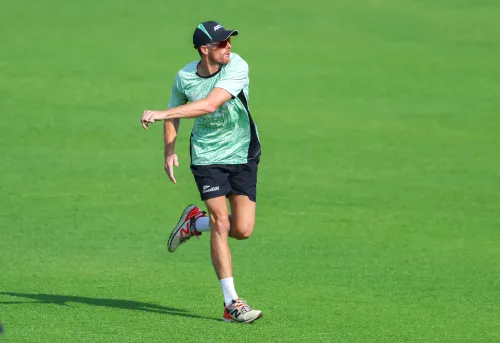
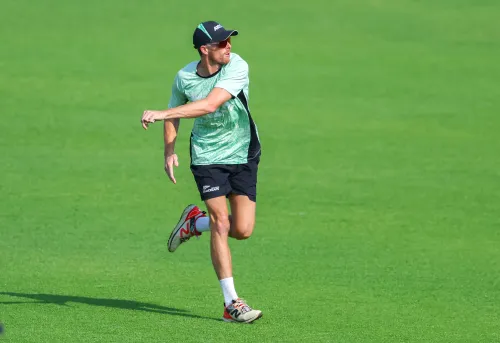
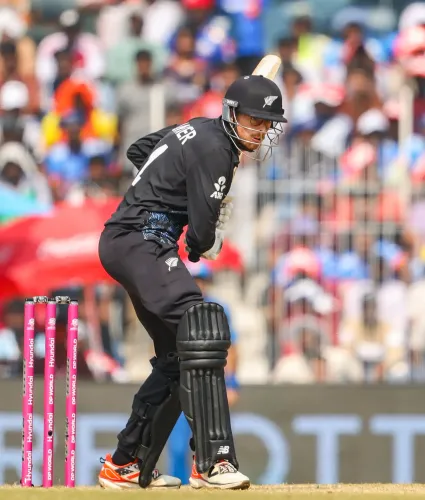
New Zealand head coach Rob Walter on Wednesday, 23 September 2026 lavished praise on white-ball captain Mitchell Santner for turning down a financially rewarding Big Bash League (BBL) contract to keep himself available for the Black Caps' upcoming Test assignments, describing the decision as entirely in keeping with the veteran left-arm spinning all-rounder's character.
Walter's Tribute to Santner
'For me it's just a measure of the man, and that's not to judge any other person. That is Mitch — it sums Mitch up. He's always been in a position to put the team first,' Walter told reporters. The coach added that Santner's desire to lead his country and contribute to the Test side — 'especially with what's in front of us' — made the decision understandable, even if it surprised others. 'Whilst it may be surprising to some, certainly not to me. It's just the measure of the man, really,' he said.
The Franchise vs Country Debate
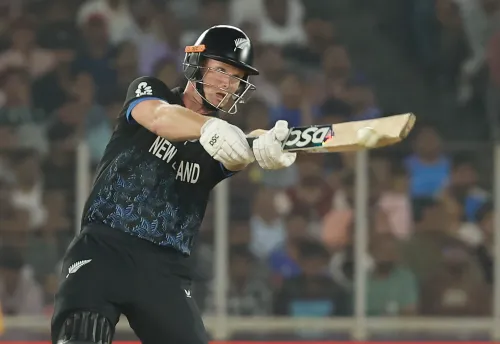
Walter was also asked about explosive opener Finn Allen, who opted to pursue a BBL franchise contract. The coach said he harbours no resentment toward players who maximise their earning potential, as long as their hunger to represent New Zealand remains intact. 'I'm chuffed when our players do well. I'm chuffed when our players are recognised,' he said. He acknowledged that the proliferation of global T20 leagues is an irreversible structural shift in cricket. 'There's more and more information that shows us that that's the way the game's moving and has been moving for a period of time,' he noted. The key, Walter argued, is ensuring New Zealand's team environment remains 'home' enough to pull players back whenever they are available.
White-Ball Series Against India: Workload the Top Priority
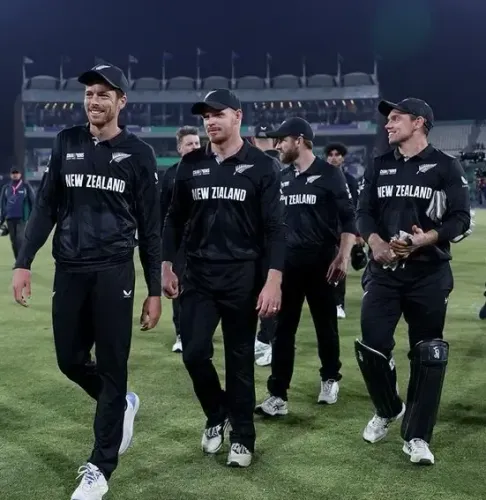
Walter turned his attention to the imminent home series against India, which comprises 10 white-ball matches — five T20Is and five ODIs — crammed into just 20 days beginning 22 October. He identified pace-bowler workload management as his primary logistical headache. 'The number one priority is to make sure that they're all available, fit and firing. I mean, that is a bit romantic in this day and age with fast bowlers and cricket,' he acknowledged. Several pacers have returned from ankle surgeries and injury lay-offs, making careful rotation essential. Walter stressed that the battery of fast bowlers represents a 'competitive advantage' and that any combination of four from the group could trouble opposition line-ups.
Rotation, Collective Effort, and the Test Summer Ahead
Looking beyond the white-ball leg, New Zealand face six consecutive Tests after the ODI and T20I series — a gruelling stretch Walter described as 'a good workload.' He emphasised that success will require a collective effort rather than reliance on a handful of match-winners. 'The only way we'll get it done is as a strong collective unit,' he said. Walter was equally bullish about New Zealand's 50-over credentials, describing the format as 'a real strong format of ours.' He also contextualised the India home series within a broader picture that includes a challenging Test tour of Australia later in the season. 'I firmly believe if we do our first home summer well and start well against India, that'll prepare us well enough for Australia,' he said. The series against India also carries weight in the context of the World Test Championship standings, adding a further layer of significance to every result.
Point of View
But it also spotlights a structural tension that no amount of team spirit fully resolves: New Zealand's best players are perpetually caught between national loyalty and financial reality. Walter's careful language around Finn Allen — 'I'm chuffed when our players do well' — signals that the Black Caps management has quietly accepted a world where availability, not selection, is now the binding constraint. The real question is whether New Zealand's team culture can remain magnetic enough to keep pulling players back as franchise fees keep rising. With a gruelling home summer of 10 white-ball games and six Tests ahead, the workload problem is not abstract — it is the central planning challenge of the next four months.
NationPress
23 Sept 2026
Frequently Asked Questions
Why did Mitchell Santner turn down a BBL deal?
Santner chose to remain available for New Zealand's Test assignments rather than take a Big Bash League contract. Coach Rob Walter explained that Santner has always prioritised team duty and that the decision reflects his character as a player who puts the team first.
When does New Zealand's home series against India start?
The series begins on 22 October 2026 and features 10 white-ball matches — five T20Is and five ODIs — played across 20 days.
What is Rob Walter's biggest concern heading into the India series?
Walter identified pace-bowler workload management as his primary challenge, given that several fast bowlers are returning from injuries and the team faces 10 white-ball games followed immediately by six consecutive Tests.
What is Finn Allen's situation with the BBL?
Finn Allen opted to take up a BBL franchise contract. Coach Walter expressed support for the decision, saying he is pleased when New Zealand players are recognised and rewarded financially, as long as they retain their hunger to represent the Black Caps.
How does the India series fit into New Zealand's broader season?
The home white-ball and Test series against India are being viewed as preparation for a subsequent Test tour of Australia and have direct implications for New Zealand's standing in the World Test Championship cycle.