SRH's controlled chase was about keeping run rate in check: Chawla
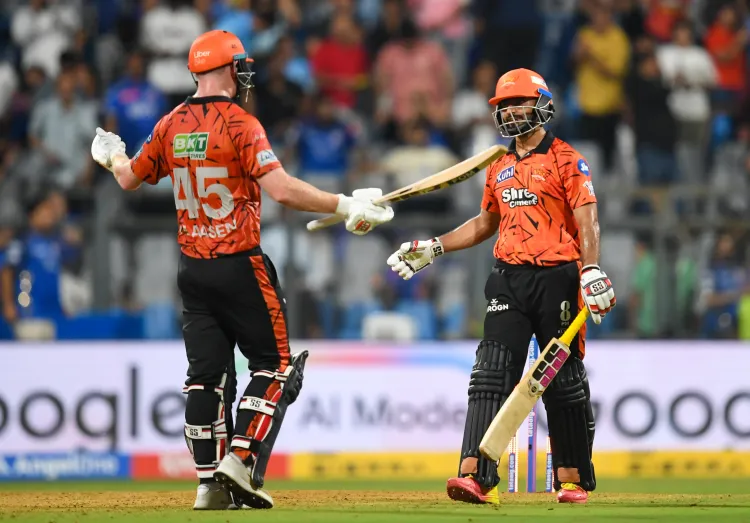
Synopsis
SRH didn't just chase 244 — they did it with surgical precision. Piyush Chawla's insight cuts to the heart of modern T20 chasing: it's not about hitting sixes, but keeping the asking rate manageable. Travis Head's luck and early aggression set the stage; the middle order's composure sealed it.
Key Takeaways
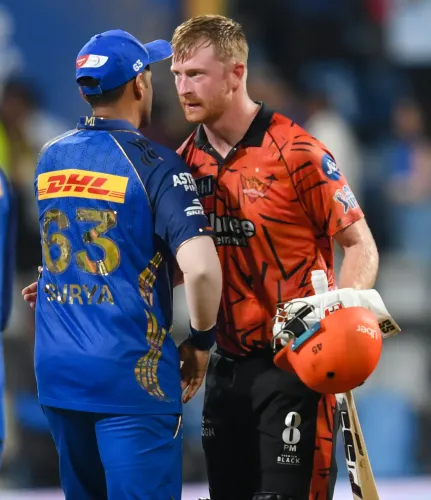
Sunrisers Hyderabad chased 244 against Mumbai Indians at the Wankhede Stadium with a controlled, near-perfect batting display.
Travis Head played a brisk half-century to set the tone in the opening partnership.
SRH took nearly 30 runs off Jasprit Bumrah's first two overs, putting immediate pressure on MI's bowling.
The asking rate never spiralled out of control, staying below the required rate for most of the chase, according to Piyush Chawla .
Head benefited from a fortunate moment — a faint edge that went unappealedby fielders — early in his innings.
Chawla noted Head bats with heightened confidence against India and MI .
Former India spinner Piyush Chawla has credited Sunrisers Hyderabad batters for executing a near-flawless run chase against Mumbai Indians at the Wankhede Stadium, emphasising that their asking rate never spiralled out of control during the pursuit of 244.
The opening assault
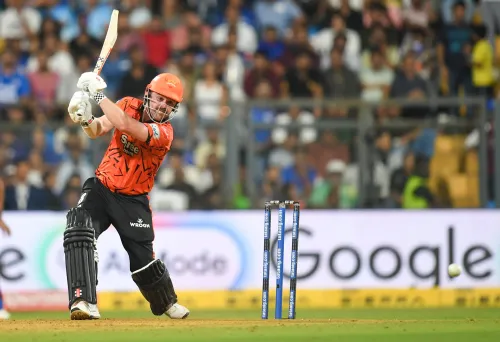
SRH produced one of the season's most dominant batting displays, with their top order setting the tone early and the middle order ensuring no stumbles. The foundation was laid by openers Travis Head and his partner, who came out with clear intent in the Powerplay without losing a wicket. Head played a brisk half-century that put Mumbai's bowlers under immediate pressure.
Pressure on the Indian speedster
"They even put pressure on Jasprit Bumrah early, taking nearly 30 runs off his first two overs," Chawla told JioStar. After that initial assault, the rest of the batting lineup contributed steadily, maintaining momentum without taking undue risks.
The hallmark of smart chasing
According to Chawla, the real beauty of SRH's innings lay in rate management. "At no stage did the required rate get out of control. In fact, it stayed below the asking rate for most of the innings," the former spinner explained. This disciplined approach — balancing aggression with calculation — is what separates successful chases from desperate scrambles.
Head's fortune and confidence
Chawla also noted that Head benefited from a slice of luck when a faint edge went unappealedby Mumbai's fielders. "Moments like these can change an innings. I've noticed that whenever he plays against India or against Mumbai Indians, he seems to bat with a different level of confidence," Chawla added. Such instances often prove pivotal when a batter is building momentum early in a chase.
Broader implications
The victory reinforces that SRH — like Punjab Kings — possess the firepower and tactical acumen to hunt down even imposing totals. The key, as Chawla's analysis underscores, is not explosive individual shots but collective discipline in rate management.
Frequently Asked Questions
What was the target SRH chased against Mumbai Indians?
Sunrisers Hyderabad chased 244 against Mumbai Indians at the Wankhede Stadium, executing the chase with controlled batting and never allowing their asking rate to spiral out of control.
How did Travis Head perform in the chase?
Travis Head played a brisk half-century that set the tone for SRH's opening partnership, putting immediate pressure on Mumbai's bowlers from the start of the innings.
How much did SRH score off Jasprit Bumrah's first two overs?
SRH took nearly 30 runs off Jasprit Bumrah's first two overs, putting early pressure on Mumbai's premier fast bowler during the Powerplay.
What did Piyush Chawla highlight as the key to SRH's successful chase?
Chawla emphasized that SRH's asking rate never got out of control and stayed below the required rate for most of the innings, which he called 'the real beauty' of the chase — a disciplined approach that balanced aggression with rate management.
Did Travis Head face any close calls during his innings?
Yes, Head benefited from a slice of luck when a faint edge went unappealedby Mumbai's fielders early in his innings, a moment Chawla said can prove pivotal in building momentum during a chase.