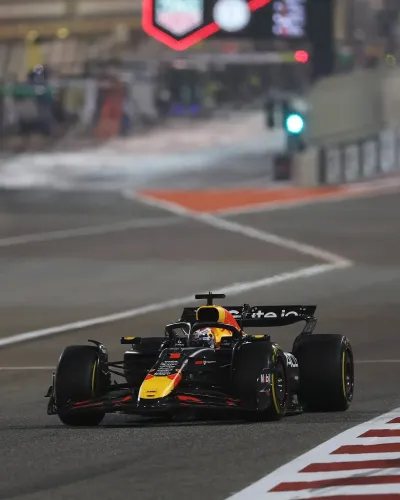
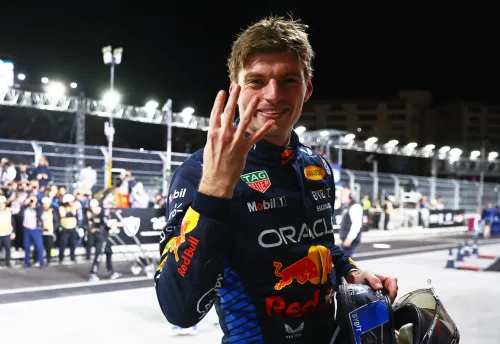
Verstappen claims first 2026 pole at Malaysian GP, Hamilton P2

Synopsis
Max Verstappen broke his 2026 pole drought in the most emphatic fashion at Sepang — leading every qualifying session and then lowering his own benchmark on the final lap to beat Lewis Hamilton by 0.298 seconds. Grid penalties for Hadjar, Lawson, Colapinto, and Lindblad scramble the starting order considerably, setting up a strategically complex Malaysian Grand Prix.
Key Takeaways
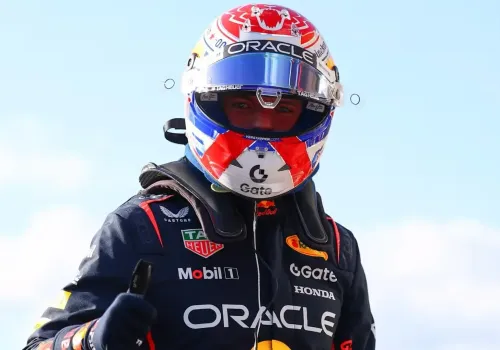
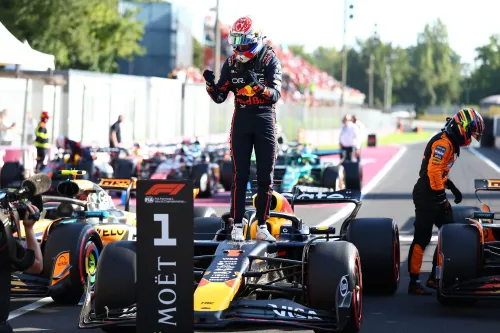
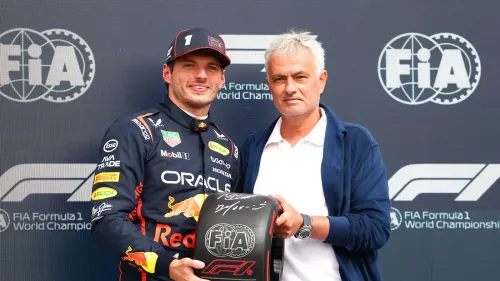
Max Verstappen clocked 1:35.130 to take his first pole of the 2026 F1 season at the Malaysian Grand Prix on 3 October 2026 .
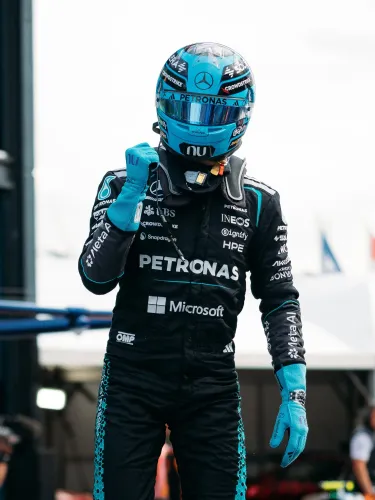
Lewis Hamilton qualified second , 0.298 seconds behind Verstappen, securing a front-row lockout with his rival.
Isack Hadjar drops from an apparent front-row start to eighth on the grid after a five-place penalty .
Liam Lawson and Arvid Lindblad both face back-of-grid starts due to power-unit changes.
Franco Colapinto carries a combined 15-place penalty (collision in Baku plus new engine).
Aston Martin showed improved pace, with Alonso and Sainz placing inside the top 13 in qualifying order.
Max Verstappen seized his first pole position of the 2026 Formula 1 season at the Malaysian Grand Prix on 3 October 2026, posting a blistering lap of 1:35.130 at the Sepang International Circuit in Kuala Lumpur to edge out Lewis Hamilton by 0.298 seconds. The Dutchman had been dominant across all three practice sessions and delivered when it mattered most in a qualifying finale that kept the paddock guessing until the very last lap.
How Qualifying Unfolded
The session carried genuine intrigue heading in, with three different teams topping the three practice runs: Verstappen led for Red Bull in FP1, Charles Leclerc put Ferrari on top in FP2, and Kimi Antonelli gave Mercedes the fastest time in FP3. That spread of pace ensured no team could claim certainty going into qualifying.
Verstappen settled the argument early in Q2, becoming the first driver to crack the 1:36 barrier with a 1:35.696, before improving further to his pole-winning 1:35.130 in the final shootout. Hamilton, meanwhile, produced the best lap of his own weekend at the critical moment, locking out the front row alongside the championship contender.
Grid Penalties Reshuffle the Starting Order
Isack Hadjar had appeared set for a front-row start following a strong qualifying effort, but a five-place grid penalty drops him to eighth on the grid. Antonelli qualified fourth despite having his opening Q2 lap deleted for exceeding track limits; a fresh set of soft tyres salvaged his afternoon.
Lando Norris and Oscar Piastri of McLaren qualified sixth and seventh respectively, while George Russell of Mercedes secured eighth. Pierre Gasly of Alpine and Gabriel Bortoleto of Audi rounded out the top ten in qualifying.
Liam Lawson, who initially went 10th fastest before being classified 11th, faces a start from the back of the grid following a power-unit change. Fernando Alonso, Carlos Sainz, and Lance Stroll followed in the order, with Aston Martin showing noticeably improved pace compared to earlier rounds this season.
Midfield and Back of Grid
Franco Colapinto and Arvid Lindblad of Racing Bulls were unable to set competitive Q2 times owing to accumulated grid penalties. Colapinto carries a five-place penalty for a collision in Baku and a further ten-place penalty for a new engine, while Lindblad also faces a back-of-grid start for a power-unit change.
Nico Hulkenberg narrowly missed the Q2 cut, finishing 17th by just 0.087 seconds. Haas drivers Ollie Bearman and Esteban Ocon qualified behind him, with Alex Albon securing 20th for Williams. Cadillac occupied the final two spots in qualifying, with Valtteri Bottas ahead of Sergio Perez, though both are expected to benefit from the grid reshuffling caused by rivals' penalties.
What to Watch in the Race
With Verstappen and Hamilton sharing the front row, the Malaysian Grand Prix sets up as a direct clash between two of the sport's dominant forces. McLaren's Norris and Piastri start further back than their pace might suggest, which could make their race strategy pivotal. The scale of grid-penalty reshuffling means the actual starting positions will differ significantly from qualifying order, adding an extra layer of strategic uncertainty when lights go out at Sepang.
Point of View
Not just a statistic — it ends his 2026 pole drought at a circuit where front-row starts historically translate into wins. The more revealing subplot is Hamilton's resurgence: a genuine front-row alongside Verstappen suggests Mercedes has found meaningful pace. McLaren, meanwhile, qualified mid-pack despite having arguably the fastest race car in recent rounds, meaning Norris and Piastri will need flawless strategy to convert. The proliferating grid penalties distort the starting grid so heavily that the race may be decided as much in the pit lane as on track.
NationPress
3 Oct 2026
Frequently Asked Questions
Who took pole position for the 2026 Malaysian Grand Prix?
Max Verstappen took pole position for the 2026 Malaysian Grand Prix, recording a time of 1:35.130 at the Sepang International Circuit on 3 October 2026. It is his first pole of the 2026 Formula 1 season.
What was the gap between Verstappen and Hamilton in qualifying?
Verstappen beat Lewis Hamilton by 0.298 seconds in qualifying. Hamilton delivered his best lap of the weekend in the final session to earn a front-row start alongside Verstappen.
Why will Isack Hadjar not start from the front row?
Hadjar received a five-place grid penalty, dropping him from what would have been a front-row position to eighth on the starting grid despite his strong qualifying performance.
Which drivers will start from the back of the grid in Malaysia?
Liam Lawson and Arvid Lindblad face back-of-grid starts due to power-unit changes. Franco Colapinto also starts from the back, carrying a five-place penalty for a collision in Baku and an additional ten-place penalty for a new engine.
How did the practice sessions compare to qualifying at Sepang?
Three different teams led the three practice sessions — Red Bull in FP1, Ferrari in FP2, and Mercedes in FP3 — making the qualifying outcome genuinely open. Verstappen ultimately proved decisive, becoming the first driver to break the 1:36 barrier in Q2 before improving to his pole-winning time in Q3.