FIFA World Cup 2026 Group H preview: Spain, Uruguay, Saudi Arabia, Cabo Verde
Synopsis
Spain arrive at the 2026 World Cup as Group H's clear favourites and reigning European champions — but hamstring injuries to Lamine Yamal and Nico Williams could upend their opening fixture. Meanwhile, Bielsa's Uruguay press hard for second place, Saudi Arabia carry the ghosts of 2022 and a new coach, and Cabo Verde's seven clean sheets in qualifying make them far more than a walkover.
Key Takeaways
Spain enter FIFA World Cup 2026 Group H as European champions under coach Luis de la Fuente , but face fitness doubts over Lamine Yamal and Nico Williams after hamstring injuries.
Lamine Yamal , who turns 19 on 13 July , is considered one of the tournament's biggest stars if fit.
Uruguay , coached by Marcelo Bielsa , rely on a high-press system and a defensive pairing of Ronald Araujo and Jose Gimenez , with Fede Valverde as their standout midfielder.
Saudi Arabia replaced coach Herve Renard with Georgios Donis in March after a difficult qualification campaign; Salem Al-Dawsari remains their key attacker.
Cabo Verde kept seven clean sheets in qualification and finished ahead of Cameroon , with captain Ryan Mendes holding the national record of 22 goals in 95 appearances.
The FIFA World Cup 2026 final is scheduled at the MetLife Stadium on 19 July .
The FIFA World Cup 2026 Group H pits reigning European Champions Spain against a combative Uruguay, a resurgent Saudi Arabia, and an ambitious Cabo Verde side that defied expectations in qualification. On paper, Spain enter as the group's dominant force — but injury clouds over their two brightest attacking talents could open the door for the rivals beneath them.
Spain: European pedigree, injury anxiety
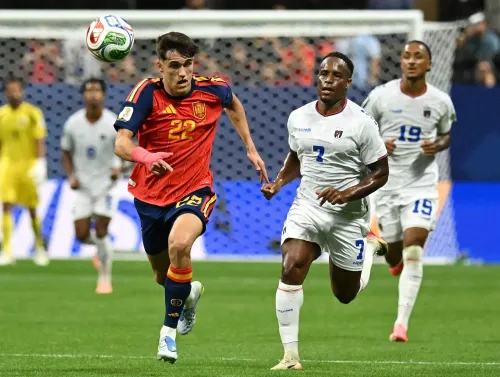
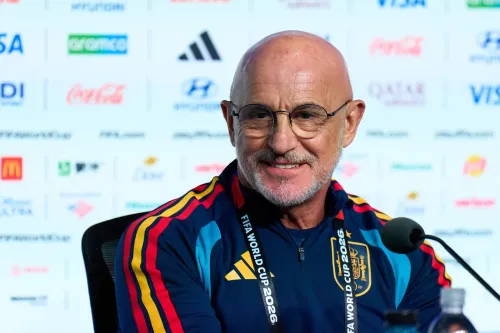
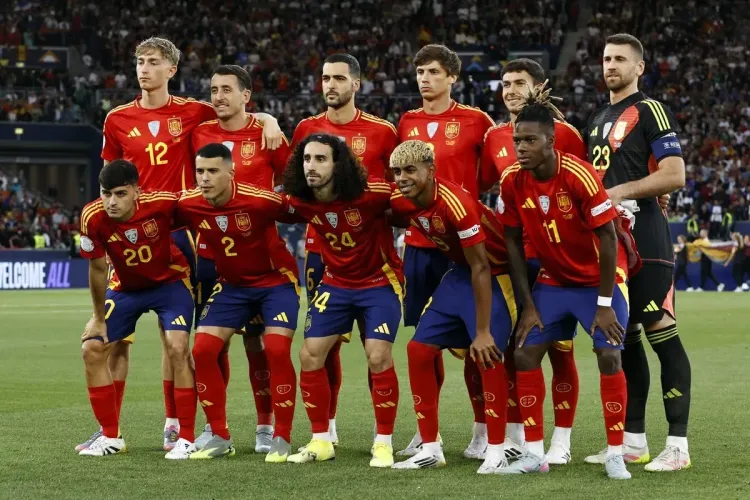
Coach Luis de la Fuente arrives with arguably the most complete squad in the group, built on possession dominance and incisive attacking play. The engine room is anchored by Rodri and Martin Zubimendi, who provide the balance and control that allow Spain's forwards to express themselves. Goalkeeper Unai Simon brings experience and composure, while Pau Cubarsi has been outstanding at the back for FC Barcelona.
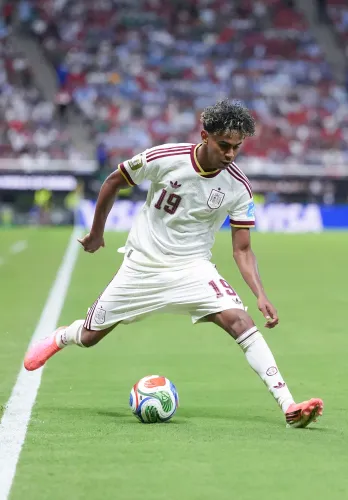
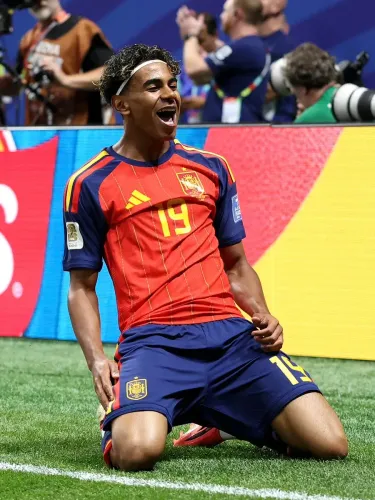
The concern centres on Nico Williams and Lamine Yamal, both of whom ended the club season with hamstring injuries. Their availability for Spain's opener against Cabo Verde remains uncertain. Yamal, who will not turn 19 until 13 July, has already established himself as one of Europe's most electric wingers — his pace, close control, and finishing ability make him a generational talent. Marcos Llorente of Atletico Madrid is another player to track: versatile enough to operate at right back or in midfield, his overlapping runs and physical intensity are expected to create width and shooting opportunities throughout the group stage.
Uruguay: Bielsa's intensity, Valverde's firepower
Under Marcelo Bielsa, Uruguay will press high, defend as a unit, and demand relentless effort from every player on the pitch. That philosophy is exhilarating to watch but physically demanding — sustaining it through the heat and humidity of a North American summer will test squad depth and conditioning. Reports suggest Bielsa's intense man-management style has occasionally created friction within the group.
The defensive spine of Ronald Araujo and Jose Gimenez is among the sturdiest in the tournament. Up front, Darwin Nunez is the focal point, though his game time has been limited since his move to Al-Hilal in Saudi Arabia, raising questions about his sharpness. Real Madrid midfielder Fede Valverde is Uruguay's standout name — a box-to-box dynamo with a powerful long-range shot and the energy to dominate central areas. Winger Brian Rodriguez, who has developed sharply at Club America in Mexico, could provide the creativity Bielsa's system sometimes lacks against deep-lying defences.
Saudi Arabia: Qatar ghosts and a new coach
No preview of Saudi Arabia at a World Cup can ignore the seismic 2022 upset against Argentina — a result that confirmed the Green Falcons are capable of beating anyone on a given day. Their domestic league has continued to attract world-class talent, theoretically raising the overall standard of the national pool.
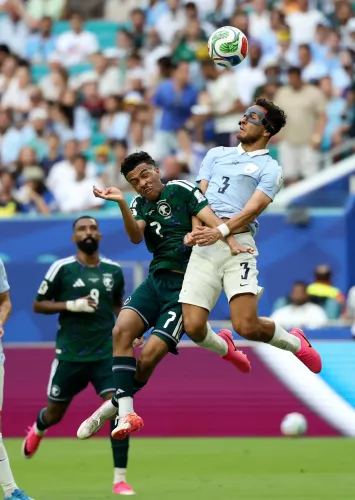
Yet the road to 2026 was rocky. Saudi Arabia finished second behind Jordan in the second stage of Asian qualification, then trailed Japan and Australia before being forced into a fourth-round playoff to secure their berth. Those struggles cost coach Herve Renard his job in March, with Georgios Donis stepping in as replacement. Donis brings extensive club-level experience, particularly in the Middle East, but has no prior international management record — a potential vulnerability in a tournament environment. Winger Salem Al-Dawsari of Al-Hilal, the hero of that Argentina win, remains the most dangerous player in the squad. Centre-forward Saleh Al Shehri of Al-Ittihad, also on the scoresheet in 2022, adds physicality, aerial presence, and pressing intensity to the attack.
Cabo Verde: Africa's quiet overachievers
Cabo Verde arrive as the group's underdogs, but their qualification campaign demands respect. The island nation — home to roughly half a million people — finished ahead of Cameroon in their African qualifying group, conceding just eight goals across the campaign and keeping seven clean sheets, including a perfect defensive record at home. Coach Pedro Leitao Brito, widely known as Bubista, has built a disciplined, structured side whose opening fixture against Spain will be a severe examination of everything he has instilled.
Captain and record scorer Ryan Mendes, 36, brings rare experience from stints in England, France, the UAE, and Türkiye. His 22 international goals in 95 appearances make him the reference point in attack. The player to watch is 23-year-old Benfica full-back Sidny Lopes Cabral, a Dutch-born defender who combines big-club experience with the ability to deliver from both feet and contribute offensively — three goals in eight appearances underline his threat from wide areas.
Group H outlook
Spain remain the strong favourites to top the group, but the fitness of Yamal and Williams will shape how convincingly they do so. Uruguay's second-place finish looks likely if Bielsa's system holds up physically. Saudi Arabia, with a new coach and a difficult qualification behind them, will need to recapture the 2022 magic quickly. Cabo Verde's defensive solidity could yet earn them a point that surprises the group. The FIFA World Cup 2026 kicks off in the United States, with the final scheduled at the MetLife Stadium on 19 July.
Point of View
And a slow start against Cabo Verde could hand Uruguay a psychological edge before the groups are even decided. Bielsa's Uruguay are the most tactically interesting team in the group, but his system's physical demands in a North American summer are a genuine strategic liability, not a minor footnote. Saudi Arabia's chaotic qualification and a first-time international coach are red flags that the 2022 magic may not travel. The story mainstream previews underplay is Cabo Verde: a nation of half a million people, seven clean sheets, and a coach who has built something structurally sound — they will not simply roll over for Spain.
NationPress
21 Oct 2026
Frequently Asked Questions
Who are the teams in FIFA World Cup 2026 Group H?
Group H features Spain, Uruguay, Saudi Arabia, and Cabo Verde. Spain enter as reigning European champions and the group's clear favourites, with Uruguay expected to provide the main competition.
Is Lamine Yamal fit for the 2026 World Cup?
Yamal's fitness is uncertain after he ended the club season with a hamstring injury. He may not be available for Spain's opening fixture against Cabo Verde, though he is expected to be one of the tournament's biggest stars if he recovers in time.
Who is coaching Uruguay at the 2026 World Cup?
Uruguay are coached by Marcelo Bielsa, known for his high-intensity pressing style. His man-management approach has reportedly created some friction within the squad, and sustaining his demanding system through a North American summer is considered a key challenge.
How did Saudi Arabia qualify for the 2026 World Cup?
Saudi Arabia had a difficult qualification campaign, finishing behind Jordan, Japan, and Australia before securing their berth in a fourth-round playoff. The struggles led to coach Herve Renard being sacked in March, with Georgios Donis appointed as his replacement.
How did Cabo Verde qualify for the FIFA World Cup 2026?
Cabo Verde qualified by finishing ahead of Cameroon in their African qualifying group, conceding just eight goals across the campaign and keeping seven clean sheets. It is a significant achievement for a nation of approximately half a million people.