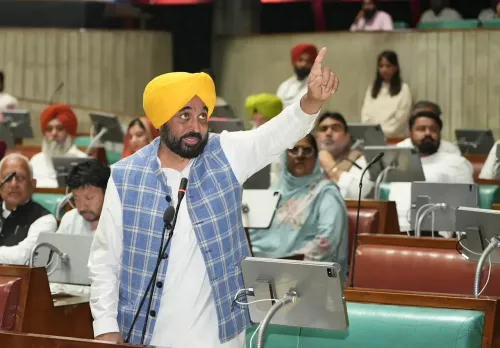
AAP Punjab: Mann, Sisodia address 1,000 observers in grassroots review
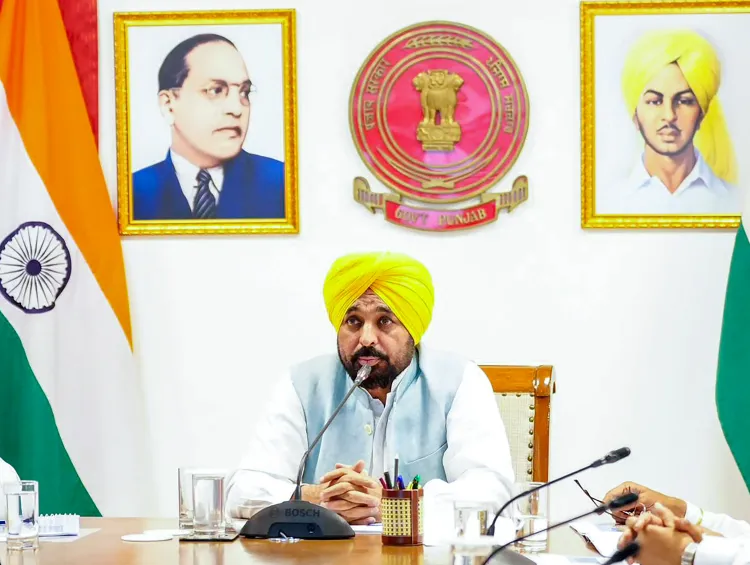
Synopsis
With seven MPs gone and political pressure mounting, AAP Punjab chose to respond not with press conferences but with a 1,000-observer grassroots review — a signal that the party is doubling down on its village-level organisational machinery rather than playing defence at the top.
Key Takeaways
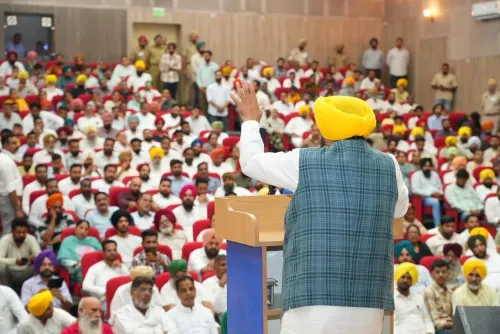
AAP Punjab convened an observers' meeting on 29 April 2026 in Chandigarh with nearly 1,000 party observers .
CM Bhagwant Mann addressed observers virtually, calling the meeting a routine organisational exercise and dismissing media speculation.
Manish Sisodia revealed observers are appointed for every 15 villages or wards , with review meetings held every 3–4 months .
Observers reportedly conducted one-to-one meetings with nearly 2.5 lakh volunteers since the previous meeting in February .
Mann said the defection of seven MPs does not affect the party's strength, comparing the party to an ocean unaffected by a few drops leaving.
The Jaagat Jot Sri Guru Granth Sahib Satkar (Amendment) Bill, 2026 was cited as a key governance achievement reflecting the government's commitment to Sikh sentiments.
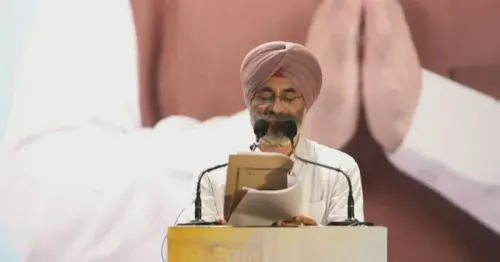
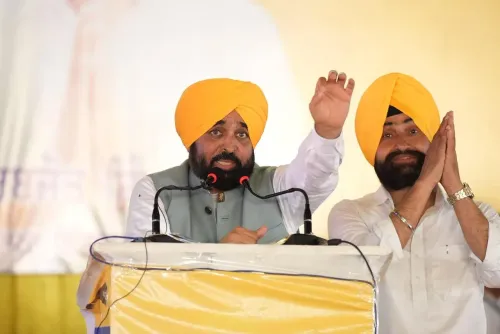
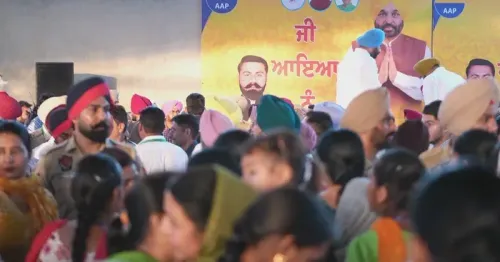
The Aam Aadmi Party (AAP) Punjab on Wednesday, 29 April 2026, convened a large-scale observers' meeting in Chandigarh, bringing together nearly 1,000 party observers deployed across villages, wards, and constituencies across the state. Chief Minister Bhagwant Mann and senior AAP leader and former Delhi Deputy Chief Minister Manish Sisodia jointly addressed the gathering, reviewing grassroots outreach and reinforcing the party's organisational depth ahead of what insiders describe as a critical political period.
What the Meeting Covered
Chief Minister Mann addressed the observers virtually, describing the interaction as a routine organisational exercise and dismissing recent media speculation around it as baseless. He thanked all observers, calling them the backbone and roots of the party, and urged them to actively communicate the government's achievements to the public. Mann said observers serve as a vital bridge between the government and the people, and that the AAP has one of the strongest grassroots structures in the country.
Sisodia explained the review process in detail, noting that observers are appointed for every 15 villages or wards across Punjab, and that such meetings are held every three to four months. He said the day's session reviewed work done over the past four months, following task assignments made at a previous meeting in February.
Key Governance Highlights Cited
Mann highlighted the government's legislative and policy record, asserting that every decision taken by the AAP government has been pro-people and that no policy has gone against public interest. He specifically cited the Jaagat Jot Sri Guru Granth Sahib Satkar (Amendment) Bill, 2026, as a reflection of the government's commitment to respecting the sentiments of the people of Punjab.
On the Defection of Seven MPs
Addressing the recent departure of seven Members of Parliament from the party, Mann said the defections do not affect the strength of AAP. He used an analogy to make his point:
Point of View
000-observer meeting is not incidental — it comes on the heels of seven AAP MPs walking out, a development that would unsettle most state units. By framing the gathering as a routine review and having Sisodia, himself a symbol of the party's resilience narrative, co-address it, AAP is projecting organisational normalcy rather than crisis management. The real question is whether grassroots machinery can compensate for legislative attrition. Punjab 2027 will be the test — and the party knows it.
NationPress
16 Sept 2026
Frequently Asked Questions
What was the AAP Punjab observers' meeting on 29 April 2026 about?
The meeting brought together nearly 1,000 AAP party observers deployed across villages, wards, and constituencies in Punjab to review grassroots outreach and organisational work done over the past four months. Chief Minister Bhagwant Mann and senior leader Manish Sisodia jointly addressed the gathering.
What role do AAP observers play in Punjab?
According to Manish Sisodia, AAP observers are appointed for every 15 villages or wards across Punjab and regularly interact with residents, serving as a link between the people, the party, and the government. Since the February meeting, they reportedly conducted one-to-one meetings with nearly 2.5 lakh volunteers.
How did CM Bhagwant Mann respond to the defection of seven AAP MPs?
Mann said the defection of seven MPs does not affect the strength of the party, comparing AAP to an ocean that remains unaffected when a few drops leave. He maintained that the party is much larger than any individual.
What is the Jaagat Jot Sri Guru Granth Sahib Satkar (Amendment) Bill, 2026?
The bill was cited by CM Mann as a key governance achievement reflecting the AAP government's commitment to respecting the religious sentiments of the people of Punjab. Specific details of the bill's provisions were not elaborated upon at the meeting.
Why did AAP hold this observers' meeting now?
According to CM Mann, such meetings are a routine organisational exercise held every three to four months. He dismissed media speculation around the timing as baseless, though the meeting comes amid political pressure following the exit of seven party MPs.