AAP Punjab Criticizes Centre's BBMB Changes as Power Grab
Synopsis
The Aam Aadmi Party in Punjab condemns the Central government's recent BBMB changes, asserting it signals an effort to control river water resources. The state's spokesperson emphasizes the historical injustices faced by Punjab and warns against undermining its authority over essential resources.
Key Takeaways
AAP critiques Central government's BBMB changes.
Focus on Punjab's historical injustices.
Concerns over control of river water resources.
Calls for better water management practices.
Health issues linked to groundwater depletion.
Chandigarh, April 15 (NationPress) The Aam Aadmi Party (AAP) in Punjab has expressed strong discontent regarding the recent alterations made by the BJP-led Central government to the Bhakra Beas Management Board (BBMB). They argue that this move demonstrates a broader intention to exert control over river water resources and undermine the state's legitimate authority over its assets.
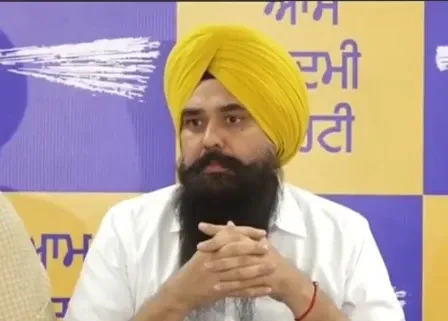
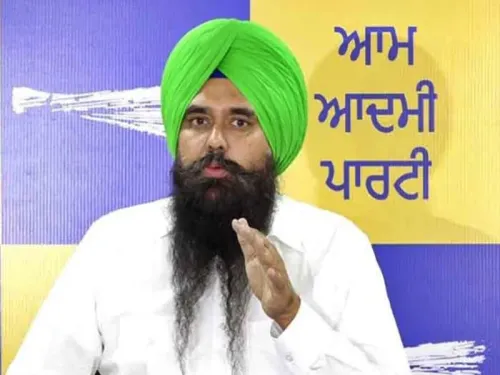
AAP spokesperson Baltej Pannu remarked that "Punjab has historically endured injustices but has consistently shown resilience, despite some local leaders compromising the state's position in the past."
He elaborated, "The narrative of injustices faced by Punjab is extensive, yet the citizens have always retaliated with greater vigor. Regrettably, certain leaders from Punjab have contributed to weakening the state’s interests."
Pannu criticized the Centre’s decision to allow individuals from all over the country to apply for key BBMB roles, stating that it contradicts the ethos of the Punjab Reorganisation Act, 1966, as well as the agreements established during the BBMB's inception.
“According to the Punjab Reorganisation Act of 1966 and the subsequent formation of BBMB in 1976, these significant positions were designated for Punjab. Now, the Centre is attempting to impose its own officers,” he asserted.
Pannu further connected this development to a larger agenda of exploiting the state's water resources, highlighting that Haryana had already depleted its allocated water share last year and subsequently requested additional supply.
“Chief Minister Bhagwant Mann has been clear that if Haryana mismanages its allocated share, it is their oversight, not Punjab’s. This year, Punjab has repeatedly urged Haryana to manage water resources wisely,” he clarified.
He also noted that there are efforts to oust current officials and replace them with individuals who align with the Centre, impacting decisions regarding Punjab’s water management.
Pannu emphasized that Punjab has already suffered from excessive groundwater extraction and its repercussions.
“Punjab has faced immense hardships; our groundwater has been depleted due to paddy farming, and residents are grappling with severe health issues like cancer as a result of pesticide usage,” he concluded.
Point of View
Suggesting a broader national discourse on federal authority versus state rights, particularly in resource management.
NationPress
20 Sept 2026
Frequently Asked Questions
What is the Bhakra Beas Management Board (BBMB)?
The BBMB is an organization responsible for the management and distribution of water resources from the Bhakra and Beas rivers, crucial for irrigation and power generation in Punjab and neighboring states.
Why is the AAP against the recent changes to BBMB?
The AAP argues that the changes undermine Punjab's rightful control over its water resources and contradict the principles established under the Punjab Reorganisation Act of 1966.
What historical injustices does Punjab face?
Punjab has historically faced various injustices related to resource allocation and political representation, leading to ongoing struggles for autonomy and recognition.
How does this impact water management in Punjab?
The AAP believes that appointing officers from outside Punjab could directly influence water management decisions, potentially affecting the state's agriculture and water security.
What are the health implications of groundwater depletion in Punjab?
Groundwater depletion in Punjab has led to increased health issues, including cancers linked to pesticide exposure, as well as broader environmental concerns.