Are Afghan Women Facing Increased Poverty and Displacement After Deportation from Pakistan and Iran?
Synopsis
The plight of Afghan women and families deported from Pakistan and Iran has reached alarming levels, with critical issues of poverty and human rights violations emerging. This article delves into the dire circumstances these returnees are facing and the urgent need for international support.
Key Takeaways
Thousands of Afghan women are struggling after forced deportations.
Extreme poverty and lack of shelter are critical issues.
Many returnees face unemployment and food insecurity.
International organizations are calling for protection and support.
Pakistan's recent policies have intensified the refugee crisis .
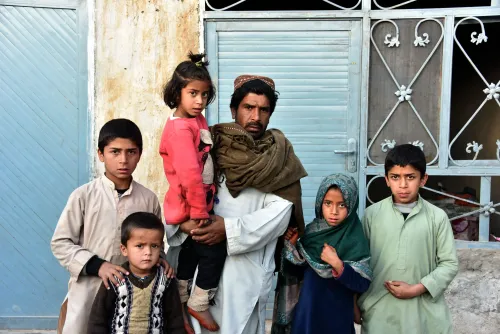
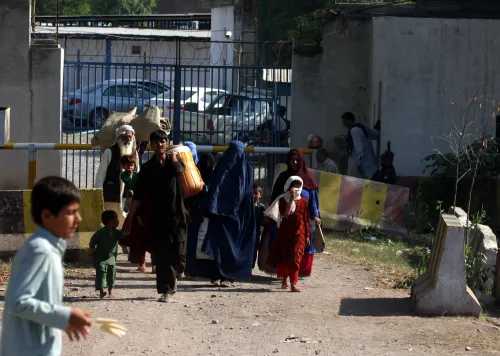
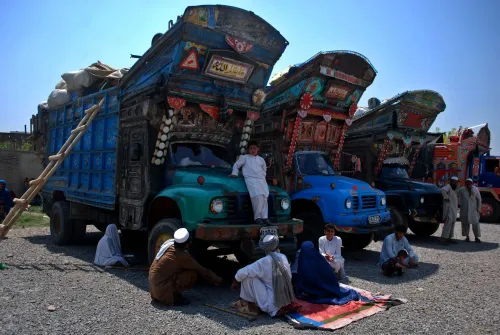
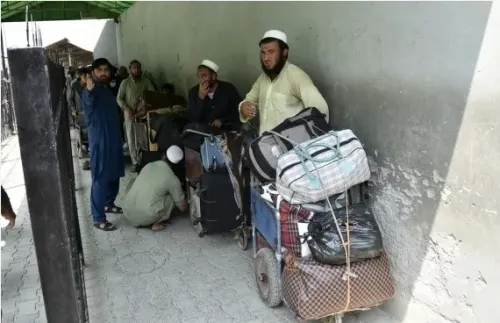
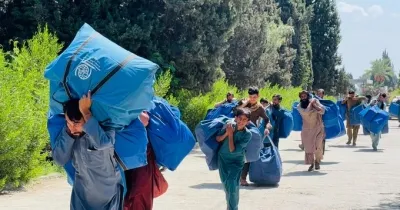
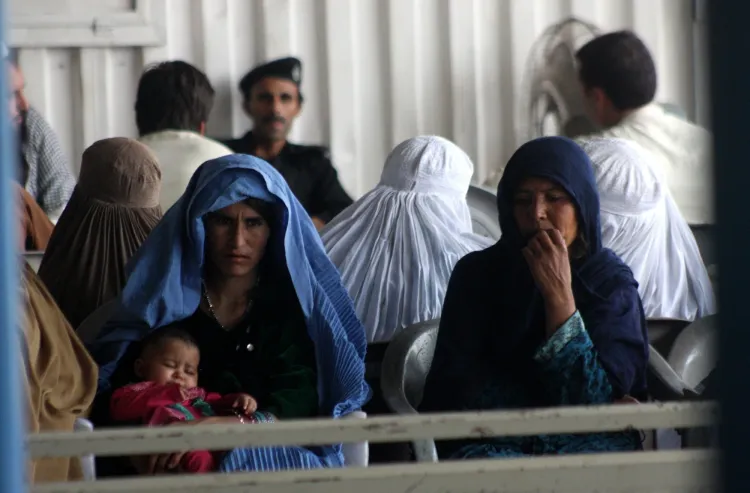
Kabul, Jan 13 (NationPress) Thousands of Afghan women and their families, who have been forcibly returned from Pakistan and Iran, are grappling with extreme poverty, lack of shelter, and escalating human rights concerns, according to local media reports released on Tuesday.
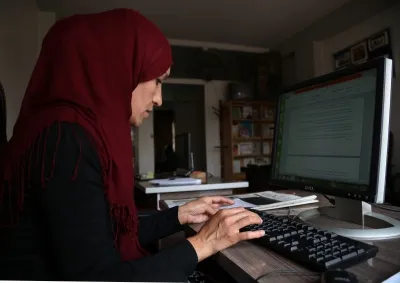
Many of these female-led households previously found employment in Pakistan and Iran, as reported by the Afghan news agency Khaama Press. However, the recent deportations have left them without any financial means, pushing their families into dire poverty, especially amid the harsh winter conditions.
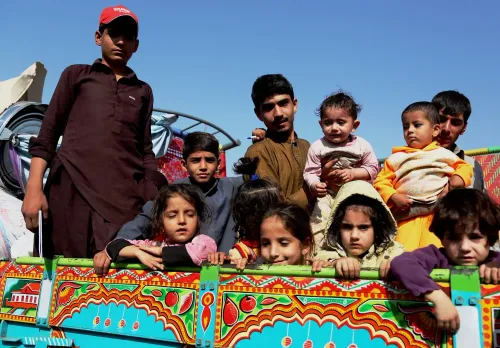
The International Organisation for Migration (IOM) has cautioned that over two million returnees are confronting significant challenges to their livelihoods. The forced deportations have exacerbated the already critical refugee situation, particularly affecting Afghan migrants, especially women and children, who are being returned to areas fraught with gender-based violence, early or forced marriages, and restricted freedoms.
Journalists and media professionals in Afghanistan face similar risks. Covering issues related to forced deportations, protests, and women's rights has become perilous, with many journalists experiencing detention, harassment, or violence, as noted by Khaama Press.
According to United Nations reports, only 11 percent of Afghan returnees are employed, while one in four lack adequate housing. More than half of the households are unable to meet even basic needs, and those led by women often face food insecurity and unemployment. The UN indicates that women constitute nearly half of all returnees from Pakistan and about one-third from Iran. Furthermore, the UN reports reveal that approximately 75 percent of Afghans are unemployed, and 90 percent live below the poverty threshold.
Meanwhile, prominent human rights organization Amnesty International has urged the Pakistani government to protect Afghan refugees within its borders from harassment and unlawful abuses by security forces.
In an open letter to Pakistan's Prime Minister Shehbaz Sharif, the organization voiced serious concerns regarding unlawful detentions, harassment, and deportations of Afghan refugees, emphasizing their vulnerability and the need for state protection.
Amnesty International called for Pakistani authorities to take necessary actions to prevent the deportation of Afghan refugees and ensure their safety in accordance with international human rights law.
“Pakistani authorities must ensure that the rights of Afghan refugees are upheld, particularly against arbitrary detentions and evictions from refugee camps and their residences,” the letter stated.
Quoting data from the United Nations High Commissioner for Refugees (UNHCR), Amnesty International noted that approximately 110,000 refugees and asylum seekers face imminent deportation threats and require protection. The organization also highlighted the heightened vulnerability of women, journalists, and human rights activists if they are forcibly returned to Afghanistan.
It is important to note that Pakistan has hosted Afghan refugees for more than 40 years, providing shelter to hundreds of thousands fleeing conflict and political instability. However, since the introduction of the “Illegal Foreigners Repatriation Plan” in September 2023, Pakistan has intensified its efforts to repatriate undocumented Afghans, including those with legal refugee status.
Point of View
The situation of Afghan returnees, particularly women and children, is deeply concerning. It highlights the need for comprehensive support mechanisms and international cooperation to address human rights violations and provide necessary aid to these vulnerable populations. The nation must stand united in advocating for their rights and well-being.
NationPress
29 Jul 2026
Frequently Asked Questions
What challenges are Afghan women facing after deportation?
Afghan women are facing extreme poverty, lack of shelter, and limited access to basic services after being deported from Pakistan and Iran.
How many Afghan returnees are unemployed?
Approximately 75 percent of Afghan returnees are unemployed, with many living below the poverty line.
What is the role of Amnesty International in this issue?
Amnesty International has urged the Pakistani government to protect Afghan refugees from harassment and unlawful deportations.
What percentage of returnees are women?
Women make up nearly half of all returnees from Pakistan and one-third from Iran.
What is the current situation regarding Afghan refugees in Pakistan?
Pakistan has hosted Afghan refugees for over 40 years but has recently intensified deportation efforts under the 'Illegal Foreigners Repatriation Plan.'