Why Have Over Two Million Afghans Been Deported from Iran and Pakistan?
Synopsis
In a shocking revelation, the UN has reported that over 2.17 million Afghans have been forcibly deported from Iran and Pakistan, with a staggering 60% being children. This crisis poses significant challenges to Afghanistan's infrastructure and humanitarian conditions. Discover the depths of this alarming situation and its implications.
Key Takeaways
Over 2.17 million Afghans have been deported from Iran and Pakistan.
More than 60 percent of returnees are children.
Deportations strain Afghanistan's infrastructure and services.
The UNDP calls for international support to mitigate the crisis.
Afghan refugees in Pakistan face serious human rights violations.
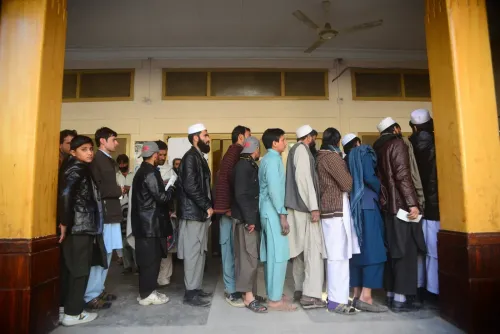
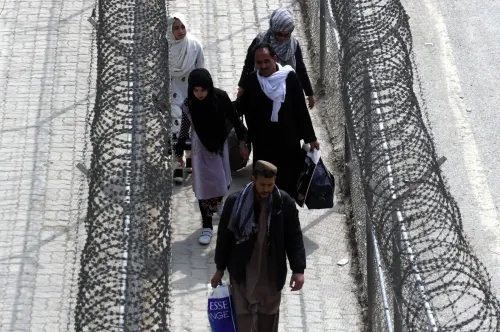
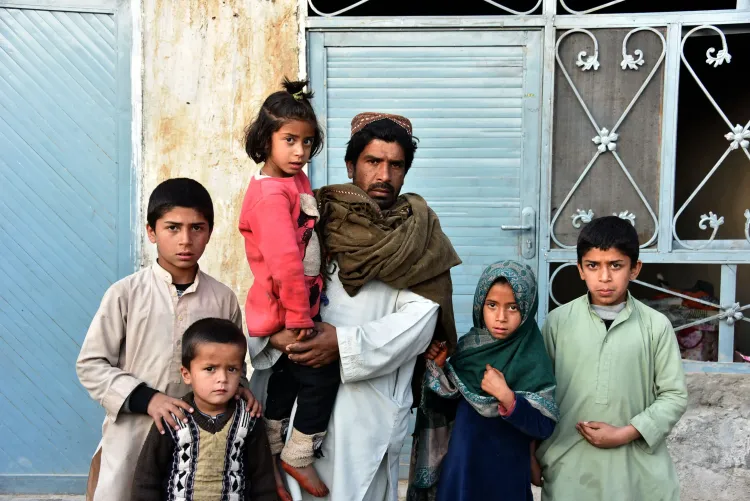
Kabul, Dec 19 (NationPress) A staggering 2.17 million Afghans have been forcibly expelled from both Iran and Pakistan, with over 60 percent of those returning being children, as reported by the United Nations.
The United Nations Development Programme (UNDP) indicates that Afghanistan is currently grappling with one of the largest crises of displacement and returnees globally due to these forced deportations.
As of October 9, around 2.17 million Afghan citizens have been sent back from Pakistan and Iran, with a significant portion being children, which further strains the country’s child protection frameworks, educational systems, and healthcare services, according to Afghanistan's news outlet Khaama Press.
The UNDP has pointed out that Afghanistan's young and rural demographics are enduring compounded crises. Economic sanctions, pervasive poverty, gender discrimination, and the deportation of refugees from neighboring countries have heightened Afghanistan's instability and jeopardized its long-term future.
The organization has cautioned that the continuous deportation of returnees is exacerbating the pressures on Afghanistan’s already fragile infrastructure and essential services, including housing, water supply, sanitation, healthcare, and food security—all of which have been severely impacted by prolonged conflict and economic downturn.
Moreover, the UNDP has called for the international community’s assistance in supporting returnees, repairing damaged infrastructure, and enhancing livelihoods, warning that inaction could lead to intensified poverty, instability, and humanitarian distress in Afghanistan.
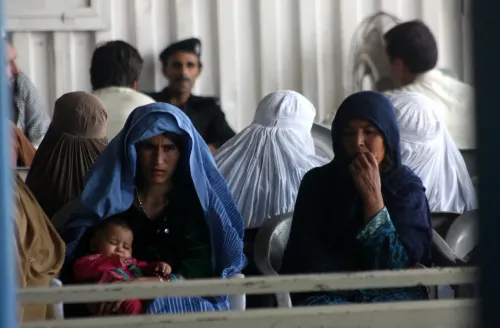
Earlier in November, numerous Afghan refugees in Pakistan expressed their distress over relentless pressure from local law enforcement, who allegedly conducted searches, made arrests, and capitalized on their vulnerable circumstances for financial gain.
A report from the Afghan newspaper, '8AM Media', also known as Hasht-e-Subh Daily, revealed that Afghan refugees in Pakistan are deprived of basic human rights and live in perpetual fear.
Human rights organizations and groups advocating for refugees have largely remained silent about the prevailing uncertainties and the government’s failure to uphold its commitments to human rights and refugee protection.
In recent months, as tensions between the Taliban and Pakistan escalate, Islamabad has intensified its scrutiny of Afghan refugees, with local forces engaging in widespread harassment of migrants daily in various regions, including Islamabad.
In addition to official actions resulting in the arrests of Afghan refugees lacking visas, individuals in civilian clothing are reported to extort money from migrants within residential neighborhoods. Afghan nationals have voiced their fears, stating they endure inhumane living conditions where their refugee rights are blatantly disregarded.
"The situation is incredibly distressing. It would be preferable for the official teams to simply arrest and remove individuals. This method is unjust; the police take advantage of the fact that no one will report them, conducting individual searches. Numerous men in civilian clothing lie in wait, seize someone, and take them away. It's uncertain whether they are police officers, thieves, or collaborators with the police," an Afghan national recounted in the report.
"These individuals detain migrants in their personal vehicles; some are released immediately after paying a fee, while others are taken to police stations. They could either be police officers or working in conjunction with the police. The rate of theft and extortion is alarmingly high, and no institution seems to heed the voices of the populace. This situation is profoundly painful; a nation without a defender, where its citizens lack protection or credibility on a global scale," the refugee lamented.
Point of View
It is crucial to highlight the ongoing humanitarian crisis affecting millions of Afghans. The international community must recognize its responsibility to intervene and support vulnerable populations in Afghanistan, reinforcing the need for sustained advocacy and action to address the dire circumstances these refugees face.
NationPress
24 Sept 2026
Frequently Asked Questions
How many Afghans have been deported from Iran and Pakistan?
Approximately 2.17 million Afghans have been forcibly deported from Iran and Pakistan .
What percentage of returnees are children?
More than 60 percent of the returnees are children.
What are the main challenges faced by returnees in Afghanistan?
Returnees face significant challenges, including pressure on infrastructure, education, healthcare, and child protection systems.
What has the UNDP said about the situation in Afghanistan?
The UNDP has warned that deportations increase instability and vulnerability, calling for international support to address these issues.
How are Afghan refugees in Pakistan treated?
Many Afghan refugees in Pakistan report living in fear, facing harassment, and lacking basic human rights.