AI, 5G and data centres to power India's next digital growth phase

Synopsis
India's digital economy is entering a new phase — moving beyond mobile penetration to building the AI, 5G, and data centre infrastructure that will define the next decade. With data centre capacity projected to quadruple to 6–8 GW by 2030 and the IndiaAI Mission deploying ₹10,300 crore, the scale of investment is significant. The real question is whether growth reaches small businesses and rural India — or stays concentrated at the top.
Key Takeaways
India's next digital cycle is set to be driven by AI , 5G , and data centres , spanning telecom, banking, manufacturing, and healthcare, per industry reports.
The government's IndiaAI Mission has an allocation of more than ₹10,300 crore over five years for computing infrastructure, research, and startup support.
5G connectivity has reached 99.9% of India's districts, with more than 5.23 lakh base stations deployed by early 2026 ; focus is now on monetisation.
India's operational data centre capacity stands at 1.5–1.6 GW in 2026 , with projections for expansion to 6–8 GW by 2029–2030 .
Data security and the Digital Personal Data Protection framework are emerging as critical regulatory and compliance priorities for businesses.
Cybersecurity gaps and equitable access for smaller businesses and rural communities remain key challenges to inclusive digital growth.
India's next digital growth cycle is set to be propelled by artificial intelligence (AI), expanding 5G networks, and surging investments in data centres, generating broad business opportunities across telecom, banking, manufacturing, healthcare, and technology infrastructure, according to a recent industry report. The shift marks a decisive pivot from a decade of mobile internet and digital payments growth toward building the advanced technology backbone that will underpin the next era of the Indian economy.
From Penetration to Infrastructure
After years of rapid gains in mobile internet access, digital payments, and online services, the strategic emphasis is now on constructing robust technology infrastructure capable of supporting enterprise operations, boosting productivity, and accelerating innovation, according to the 'Business News This Week' report. The transition is expected to open up opportunities spanning telecommunications, information technology, retail, logistics, and financial services.
As businesses increasingly embed AI into their workflows and computing demand rises, investments in cloud infrastructure, data centres, and next-generation connectivity are gaining significant momentum across the country.
The IndiaAI Mission and the Artificial Intelligence Opportunity
Artificial intelligence is widely expected to play a central role in this transformation. The government's IndiaAI Mission, backed by an allocation of more than ₹10,300 crore over five years, is aimed at strengthening the domestic AI ecosystem through investments in computing infrastructure, research, innovation, and startup support. Beyond enterprise use, the report notes that agriculture could benefit from wider adoption of regional-language AI applications and digital advisory platforms, helping farmers access timely information and services. In retail and e-commerce, AI-driven demand forecasting, personalised customer experiences, and automated supply-chain management are also expected to improve business efficiency.
5G Expansion Shifts Gear Towards Monetisation
The expansion of 5G networks is opening new possibilities for telecom operators and enterprise customers alike. With 5G connectivity reaching 99.9% of India's districts and more than 5.23 lakh base stations deployed by early 2026, according to government-linked figures cited in industry reports, the focus is increasingly shifting from network rollout to monetisation. Telecom players are now under pressure to convert infrastructure investment into revenue through enterprise services, smart manufacturing, and high-bandwidth consumer applications.
Data Centre Capacity Set for Fourfold Surge
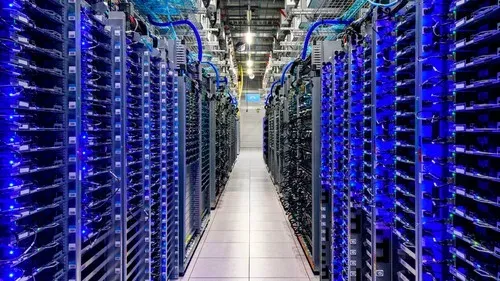
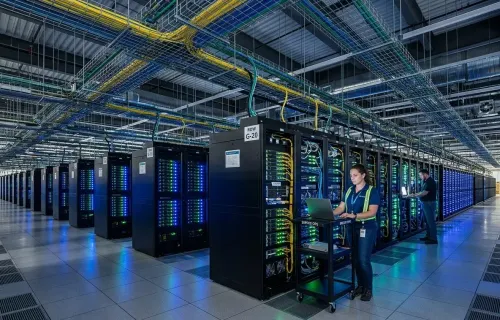
India's data centre industry is attracting growing investor attention. The accelerating adoption of AI, cloud computing, and digital services is driving demand for high-capacity computing and storage infrastructure. Industry estimates place India's operational data centre capacity at approximately 1.5–1.6 GW in 2026, with projections pointing to a potential expansion to 6–8 GW by 2029–2030, according to the report. This represents a potential fourfold increase in capacity within four years, underscoring the scale of investment required.
Data Security, Regulation and Inclusion Challenges Ahead
Alongside infrastructure development, data security and regulatory compliance are becoming increasingly critical for businesses. The growing volume of financial records, customer information, and operational data being processed digitally is driving demand for cybersecurity solutions, secure cloud storage, and data management services. India's Digital Personal Data Protection framework is also placing greater emphasis on responsible handling of personal information, adding a compliance dimension for businesses of all sizes.
Cybersecurity risks and ensuring that smaller enterprises and rural communities benefit from technological advances remain important challenges. Addressing these gaps, analysts note, will be essential to converting infrastructure investments into sustainable and inclusive economic growth. The coming years will test whether India can translate its infrastructure ambitions into tangible productivity gains across the full breadth of its economy.
Point of View
But the gap between infrastructure deployment and economic payoff has historically been India's weak link. 5G covering 99.9% of districts is a network milestone, not a monetisation milestone — and without compelling enterprise use cases, the return on those 5.23 lakh base stations remains unproven. Similarly, projecting data centre capacity to quadruple by 2030 assumes sustained FDI inflows and a regulatory environment that remains stable; both are live risks. The IndiaAI Mission's ₹10,300 crore is meaningful seed capital, but the structural question — whether AI productivity gains reach the farm and the kirana store, or remain confined to large enterprises — will determine whether this growth phase is genuinely transformative or merely another infrastructure cycle.
NationPress
22 Nov 2026
Frequently Asked Questions
What is driving India's next phase of digital economic growth?
India's next digital growth phase is being driven by artificial intelligence, 5G network expansion, and rising investments in data centres, according to an industry report. These technologies are expected to create opportunities across telecom, banking, manufacturing, healthcare, retail, and logistics.
What is the IndiaAI Mission and how much funding does it have?
The IndiaAI Mission is a government initiative aimed at strengthening India's domestic AI ecosystem through investments in computing infrastructure, research, innovation, and startup support. It is backed by an allocation of more than ₹10,300 crore over five years.
How far has India's 5G rollout progressed?
By early 2026, 5G connectivity had reached 99.9% of India's districts, with more than 5.23 lakh base stations deployed, according to government-linked figures cited in industry reports. The focus has now shifted from network expansion to monetisation through enterprise and consumer services.
What is the projected growth for India's data centre industry?
India's operational data centre capacity is estimated at around 1.5–1.6 GW in 2026, with industry projections indicating potential expansion to 6–8 GW by 2029–2030. The growth is being driven by rising demand for AI computing, cloud services, and digital storage infrastructure.
What are the key challenges to India's digital growth ambitions?
The key challenges include cybersecurity risks, regulatory compliance under India's Digital Personal Data Protection framework, and ensuring that smaller businesses and rural communities benefit from technological development. Without addressing these gaps, infrastructure investments may not translate into broad-based economic growth.