How Are Coimbatore Forest Officials Using AI and Thermal Cameras to Combat Elephant Raids?
Synopsis
As wild elephants increasingly invade human settlements in Coimbatore, officials are turning to cutting-edge technology like AI and thermal imaging to mitigate the escalating conflict. With rising fatalities and crop damage, the need for an effective early warning system has never been more urgent. Discover how technology is reshaping wildlife management in this critical region.
Key Takeaways
Wild elephants increasingly invade human settlements, causing significant damage.
Forest officials are utilizing AI and thermal cameras for monitoring.
A dedicated team is focused on managing conflict hotspots .
Budget constraints hinder the expansion of surveillance technology .
Early warning systems are set to be operational soon.
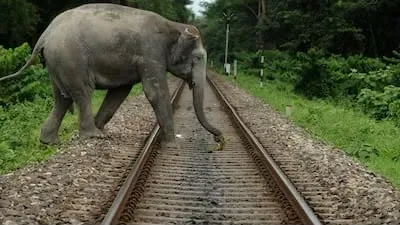
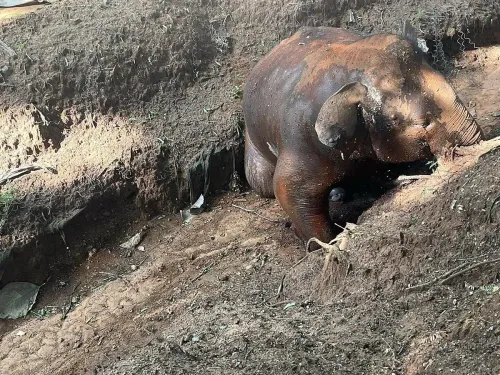
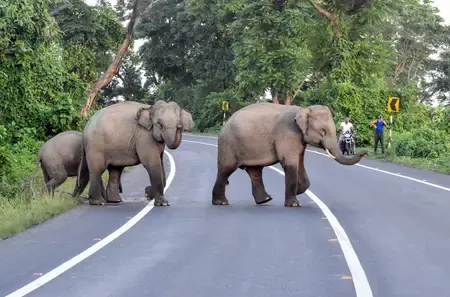
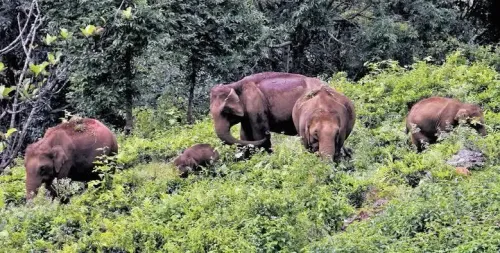
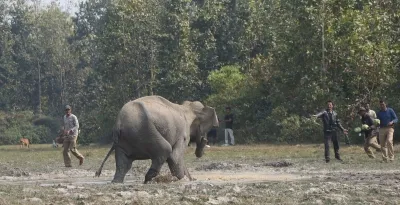
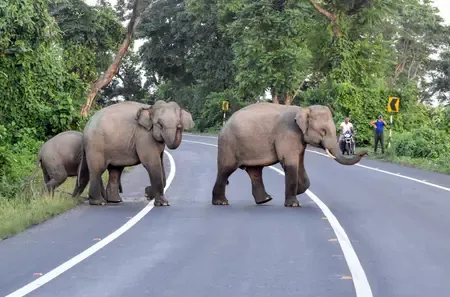
Chennai, Oct 29 (NationPress) Wild elephants in the Coimbatore forest division have been increasingly encroaching upon human settlements, leaving a path of devastation across agricultural lands and resulting in fatalities. Over the last ten months, elephants have strayed from reserve forests nearly 5,000 times, raiding crops on 690 occasions and causing the deaths of ten individuals—a stark indicator of the escalating human-elephant conflict in this area. The Coimbatore forest division, spanning over 320 square kilometers, is inhabited by more than 300 elephants.
Forest officials acknowledge that predicting these animals' movements into populated areas is nearly impossible due to the extensive and fragmented terrain. As crop damage increases and local residents live in fear, the forest department is now investing heavily in early warning technologies to monitor elephant activities and alert the public in real-time.
A senior wildlife conservator mentioned that while AI-driven and thermal imaging cameras can greatly mitigate conflicts by tracking elephant movements and providing timely notifications, the high costs pose significant challenges.
“Implementing advanced surveillance systems that detect elephants and notify both farmers and field personnel could avert many incidents. However, we are facing difficulties in expanding this technology due to budget limitations,” he noted.
In earlier years, forest officials resorted to SMS alerts and loudspeaker announcements to inform residents in areas susceptible to elephant intrusions. Nevertheless, a forest ranger explained that this approach often backfired.
“Whenever alerts were issued, people from surrounding areas would gather in excitement to observe the elephants. This created crowds and complicated the management of the situation,” he shared.
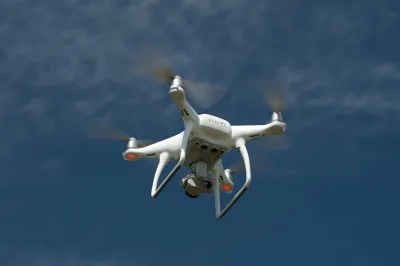
District Forest Officer N. Jayaraj stated that the department has installed thermal and optical cameras in Madukkarai, Maruthamalai, and Thadagam for round-the-clock surveillance.
“A specialized team monitors these cameras, and immediate alerts are dispatched to field officers when elephants leave the forests. Covering the entire 320 sq km area is not practical, so we are pinpointing high-conflict zones for focused deployment,” he explained. D. Venkatesh, Chief Conservator of Forests and Field Director of the Anamalai Tiger Reserve, reported a significant increase in elephant movements across all seven ranges of the Coimbatore division over the past five years.
“We are collaborating with the division to implement modern, technology-based solutions for early detection and prevention. A comprehensive early warning system is expected to be operational within the next couple of months,” he added.
Point of View
It's crucial to recognize the delicate balance between wildlife conservation and human safety. The Coimbatore forest officials' innovative approach to integrating technology in wildlife management exemplifies a proactive solution to a growing crisis. The NationPress stands firmly in support of efforts that prioritize both ecological integrity and community welfare.
NationPress
29 Sept 2026
Frequently Asked Questions
Why are elephants straying into human settlements in Coimbatore?
Elephants are increasingly venturing into human areas due to habitat loss and fragmentation, leading to a rise in human-elephant conflicts.
What technologies are being used to monitor elephant movements?
Forest officials are employing AI-powered and thermal imaging cameras to track elephant movements and provide real-time alerts to local residents.
How many times have elephants strayed from the reserve forests?
In the past ten months, elephants have ventured out of the reserve forests nearly 5,000 times.
What measures were previously taken to alert residents?
Previously, SMS alerts and loudspeaker announcements were used, but these methods often attracted crowds, complicating the situation.
What is the size of the Coimbatore forest division?
The Coimbatore forest division covers an area of approximately 320 square kilometers.