DNA match confirms 1992 Vatva murder victim after 34 years

Synopsis
A DNA report has cracked a 34-year silence: the skeletal remains recovered from a Vatva septic tank are confirmed to be those of Farzana, murdered in 1992. The prime accused — long believed dead — has reportedly been found alive on the outskirts of Ahmedabad, setting the stage for a landmark cold case prosecution.
Key Takeaways
DNA report confirms a positive identity match for Farzana (also known as Shabnam), victim of an alleged 1992 murder in Vatva, Ahmedabad .
The Crime Branch has begun registering an FIR , over 34 years after the alleged crime.
Skeletal remains — bone fragments, teeth, and hair — were recovered from a septic tank or unused well at an abandoned property near Qutub Nagar .
Main accused Shamshuddin Khedawala , previously believed dead, has reportedly been traced alive on the outskirts of Ahmedabad.
The case resurfaced after members of the accused's family allegedly reported recurring hallucinations linked to the victim's death.
DNA samples were collected from Farzana's brother in Mumbai for forensic comparison.
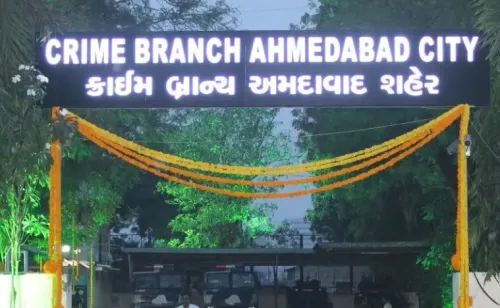
A DNA report has confirmed a positive identity match in a suspected 1992 murder case from Ahmedabad's Vatva area, prompting the Crime Branch to begin registering a First Information Report (FIR) — a breakthrough in a case that had remained unresolved for over three decades.
The Confirmation
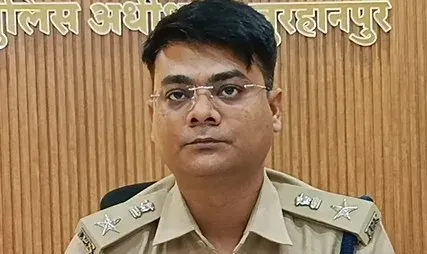
Crime Branch Deputy Commissioner of Police Ajit Rajian confirmed the development, stating: "DNA report has come in the Vatva murder case of 1992. There is a positive match. Now the FIR is being registered."
The victim has been identified by investigators as Farzana, also known as Shabnam. Her skeletal remains — including bone fragments, teeth, and hair — were recovered last month from an abandoned property near Qutub Nagar in the Vatva area, following an excavation carried out by the Crime Branch and forensic teams. The remains were found buried deep inside a septic tank or unused well at the house.
Background and Alleged Crime
According to investigators, Farzana had moved to Ahmedabad from Dholka after her first marriage failed, and subsequently married the main accused, Shamshuddin Khedawala. Police allege that frequent disputes between the couple eventually led to a conspiracy to kill her.
Officials allege she was strangled inside the house, after which her body was secretly buried in the unused underground structure to conceal the crime. Assistant Commissioner of Police Bharat Patel had earlier stated that Farzana's husband, his brother, and others were suspected to have been involved, while some accused were believed to have died over the years.
How the Case Resurfaced
The 34-year-old case reportedly came to light again after unusual information emerged from members of the accused's family, who allegedly claimed to experience recurring hallucinations and fear linked to the woman's death. DCP Rajian had earlier noted that the family was "under tremendous stress due to recurring apparitions of the dead woman."
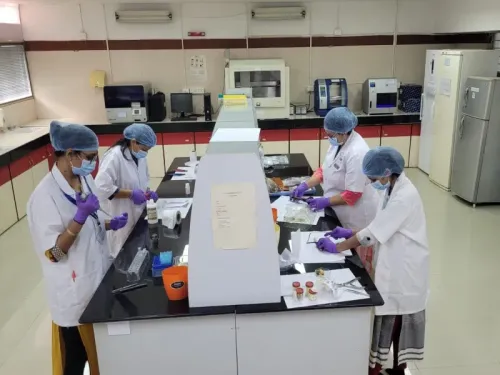
This information led Crime Branch officials to investigate the abandoned property and commence excavation work. Notably, forensic officials had cautioned that the remains were severely decomposed and calcified due to the passage of time, making DNA extraction difficult — a challenge that was ultimately overcome.
Key Developments in the Probe
Investigators traced Farzana's brother in Mumbai and collected DNA samples from family members for forensic comparison after the remains were recovered. Officials had maintained that a formal FIR and arrests would follow only after scientific confirmation of the victim's identity.
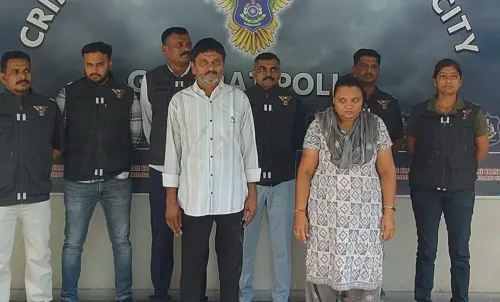
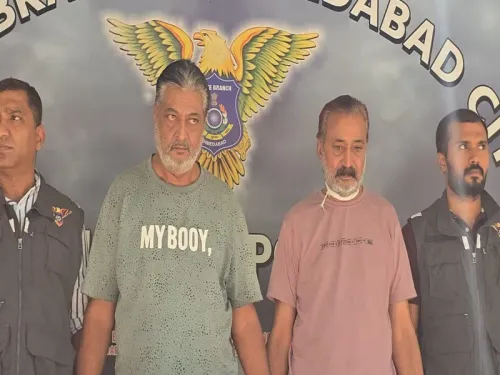
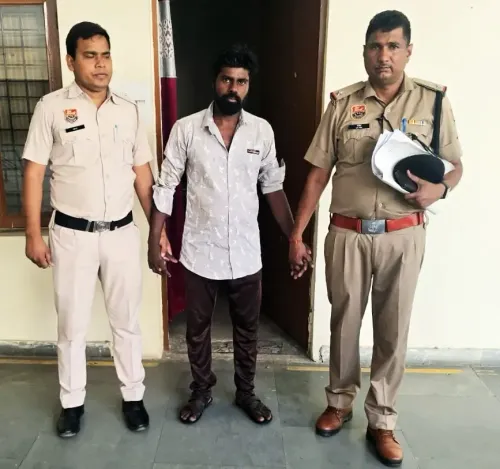
In a significant parallel development, the Crime Branch is believed to have traced the prime accused, Shamshuddin Khedawala, alive on the outskirts of Ahmedabad, despite earlier claims that he had died years ago.
What Comes Next
With the DNA confirmation now in hand, the Crime Branch is expected to formally intensify the murder investigation and proceed with legal action. The registration of the FIR marks the first formal step in what is shaping up to be a significant criminal trial rooted in events from 1992.
Point of View
But through the psychological unravelling of the accused's own family. The alleged hallucinations leading investigators to the burial site underscore how unresolved guilt can surface decades later. More critically, if the prime accused was indeed living under a false assumption of death, it raises uncomfortable questions about whether earlier investigations were thorough — or whether he was allowed to slip through. The DNA confirmation now puts the legal machinery on the clock: with the accused reportedly alive and the victim identified, the Crime Branch has little room to delay prosecution.
NationPress
23 Sept 2026
Frequently Asked Questions
What is the 1992 Vatva murder case in Ahmedabad?
It is a suspected murder case in which a woman named Farzana, also known as Shabnam, was allegedly strangled by her husband Shamshuddin Khedawala and buried in an unused underground structure at a property near Qutub Nagar in Ahmedabad's Vatva area in 1992. The case lay dormant for over 34 years before skeletal remains were recovered and a DNA match confirmed the victim's identity in May 2025.
How was the 1992 Vatva murder case solved after 34 years?
The case resurfaced after members of the accused's family reportedly claimed to experience recurring hallucinations and fear linked to the woman's death. This led Crime Branch officials to excavate the abandoned property, where they recovered skeletal remains that were subsequently matched via DNA to Farzana's family members.
Who is the main accused in the Vatva murder case?
The main accused is Shamshuddin Khedawala, Farzana's husband. Police also suspect his brother and others of involvement. Despite earlier claims that the main accused had died, the Crime Branch reportedly traced him alive on the outskirts of Ahmedabad.
What happens now that the DNA match is confirmed?
With the DNA confirmation, the Crime Branch has begun registering a formal FIR. Investigators are expected to intensify the murder probe and proceed with arrests and legal action against the accused.
Why was DNA extraction from the remains difficult?
Forensic officials noted that the remains were severely decomposed and calcified due to over three decades of burial, making DNA extraction technically challenging. Despite this, the Crime Branch and forensic teams successfully extracted a sample that confirmed a positive match with Farzana's family members.