Is Andhra Pradesh Ageing Faster? Exploring ‘Second Child Onwards’ Incentives
Synopsis
Amaravati is at a demographic crossroads as Andhra Pradesh ages quicker than the national average. The government is contemplating a 'second child onwards' incentive to encourage population growth, drawing inspiration from successful international models. This initiative aims to mitigate an impending demographic crisis and reshape the future of the region.
Key Takeaways
Andhra Pradesh is ageing faster than the national average.
The state is considering a 'second child onwards' incentive to encourage population growth.
The Total Fertility Rate (TFR) has fallen to 1.5.
Plans for Fertility Colleges aim to address infertility challenges.
There are ambitious health targets to improve maternal and infant mortality ratios.
Amaravati, Dec 18 (NationPress) As Andhra Pradesh experiences a faster ageing process than the rest of India, state officials are contemplating a 'second child onwards' incentive, akin to initiatives seen in France and Hungary, to avert potential demographic decline, a senior government representative disclosed on Thursday.
The median age in Andhra Pradesh is currently 32.5 years, which exceeds the national average of 28.4 years.
Furthermore, the state's Total Fertility Rate (TFR) has fallen to 1.5, significantly below the replacement threshold of 2.1, mirroring trends in developed nations confronting demographic issues.
The demographic window for the state is projected to close by 2040, leading to a substantial increase in the dependency ratio skewing towards the elderly.
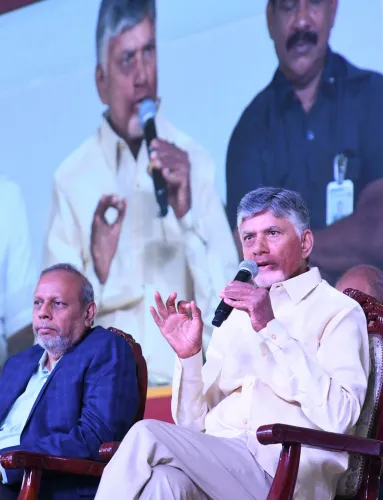
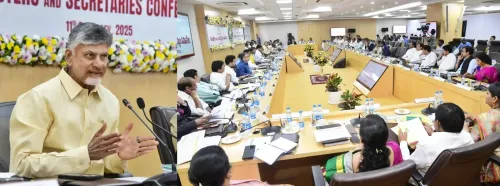
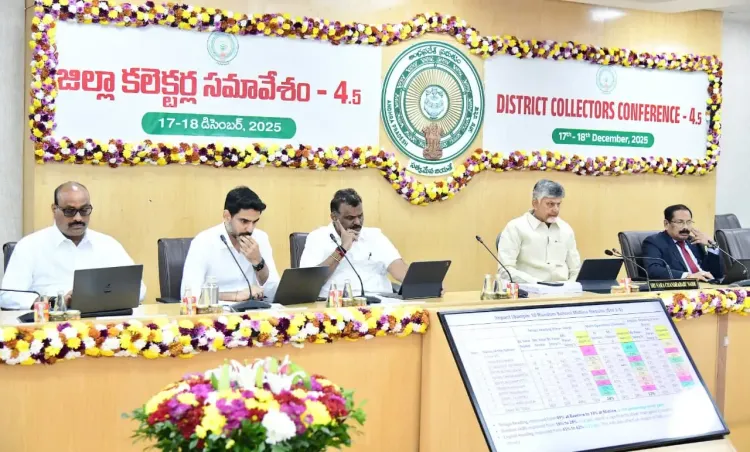
These concerning demographic patterns were presented by the state's Secretary for Health, Medical & Family Welfare, Sourabh Gaur, during the 5th Collectors' Conference.
He introduced Andhra Pradesh's innovative strategy for Population Management and Human Resource Development as the third 'sutra' in 'Padi Sutralu' (10 points) within the framework of Swarna Andhra Vision 2047 and emphasized the transition from population control to sustainable population growth.
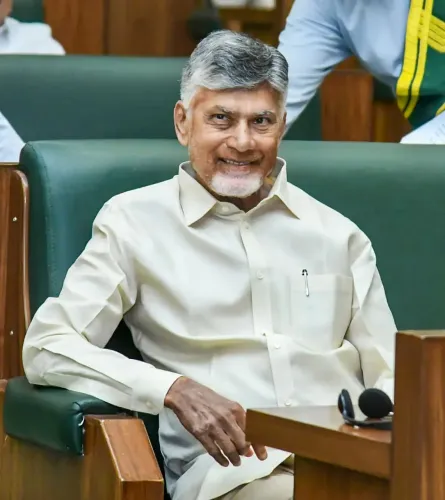
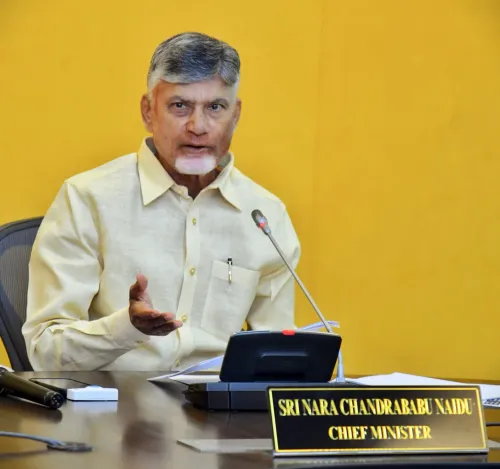
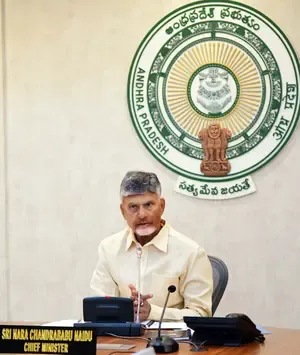
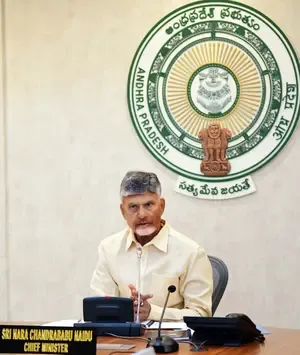
Chief Minister N. Chandrababu Naidu stressed the pressing need to tackle the declining fertility rates and enhance overall health outcomes.
Once a proponent of family planning, he highlighted the significant policy shifts necessary to confront the current demographic challenges.
"We are confronted with issues similar to those faced by developed nations - a rising non-working-age population. Our priority must now be to empower and encourage families to have more children," stated Saurabh Gaur, proposing a 'second child onwards' incentive structure to mitigate the decline in TFR and prevent future demographic crises.
In a pioneering initiative, he unveiled plans for the establishment of Fertility Colleges as Centres of Excellence for Reproductive Medicine. This unprecedented public sector initiative aims to educate professionals and offer state-sponsored IVF treatments for couples experiencing infertility, addressing a significant barrier to sustainable population growth.
Gaur also presented a holistic life-cycle strategy for population management built on five key pillars: a Supportive Fertility Ecosystem, Preventive Healthcare through the Sanchara Chikitsa concept, Lifelong Skills Enhancement via a Skill Passport System starting from Grade 6, Encouraging Women Workforce Participation through secure transportation and mandatory crèches, and Promoting Active Ageing & Community through the establishment of Elderly Clubs at the Mandal level.
The Secretary informed the Collectors that bridging the female workforce participation gap, currently at 31% compared to 59% for males, could enhance the state's Gross State Domestic Product (GSDP) by 15%. To achieve this, the government will introduce women-friendly transport solutions and enforce crèche facilities in major workplaces to diminish the 'motherhood penalty' affecting careers.
Regarding health outcomes, the Secretary outlined ambitious targets to decrease the Maternal Mortality Ratio from the present 30 to global benchmarks (below 5, comparable to Norway, Poland, and Belarus) and reduce the Infant Mortality Rate from approximately 17 to below 2 (aligning with Singapore and Iceland).
Point of View
It's crucial to recognize the evolving demographic landscape in Andhra Pradesh. The proposed incentives reflect a proactive approach to address population sustainability. While echoes of developed nations' challenges resound, the state's efforts to adapt policy for future generations exemplify a forward-thinking mindset. It is essential to monitor these developments closely as they could set precedents for population management across the nation.
NationPress
28 Sept 2026
Frequently Asked Questions
What is the current median age in Andhra Pradesh?
Andhra Pradesh has a median age of 32.5 years, which is higher than the national average of 28.4 years.
What are the proposed incentives to encourage population growth?
The state government is considering a 'second child onwards' incentive, similar to those in France and Hungary, to address declining fertility rates.
What is the current Total Fertility Rate in Andhra Pradesh?
The Total Fertility Rate (TFR) in Andhra Pradesh has dropped to 1.5, significantly below the replacement level of 2.1.
How can closing the female workforce participation gap impact the economy?
Closing the female workforce participation gap from 31% to match the male rate of 59% could potentially increase the state's GSDP by 15%.
What health targets has the Secretary outlined?
The Secretary aims to reduce the Maternal Mortality Ratio from 30 to below 5 and the Infant Mortality Rate from 17 to below 2.