AP Fuel Crisis: Chandrababu Orders Action Plan as 421 Pumps Shut
Synopsis
Panic buying has shut 421 of Andhra Pradesh's 4,510 fuel outlets, even as Saturday's supply of 10,345 KL petrol and 14,156 KL diesel exceeded normal demand. CM Chandrababu Naidu ordered an emergency action plan and same-day report, while the Civil Supplies Minister assured there is no real shortage — exposing a crisis of public confidence, not supply.
Key Takeaways
421 of 4,510 fuel outlets in Andhra Pradesh shut on Sunday, April 26, 2025 , due to stock depletion from panic buying.
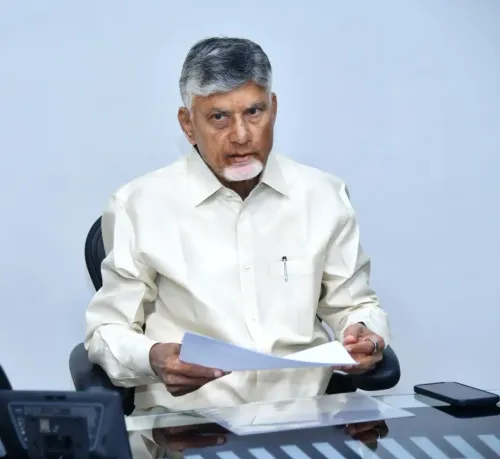
CM Chandrababu Naidu held an emergency teleconference with Chief Secretary G.
Sai Prasad and ordered District Collectors to implement an immediate action plan.
On Saturday , petrol sales hit 8,489 kilolitres — 34% above the daily average of 6,330 kilolitres — while diesel sales rose to 10,556 kilolitres against a normal 9,048 kilolitres .
Suppliers had already dispatched 10,345 KL of petrol and 14,156 KL of diesel to dealers on Saturday, exceeding normal daily demand.
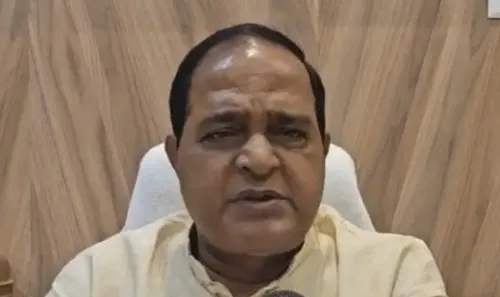
Civil Supplies Minister Nadendla Manohar confirmed there is no actual fuel shortage and warned of strict action against black-marketeers .
Bulk diesel purchases in drums by the aquaculture sector were identified as an additional pressure point on the state's fuel supply chain.
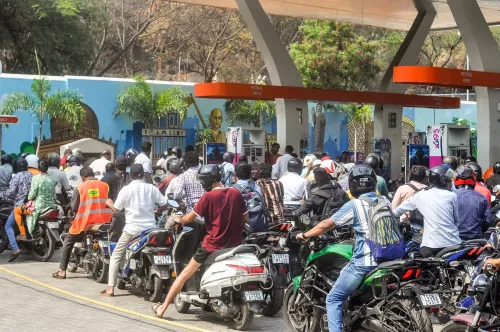
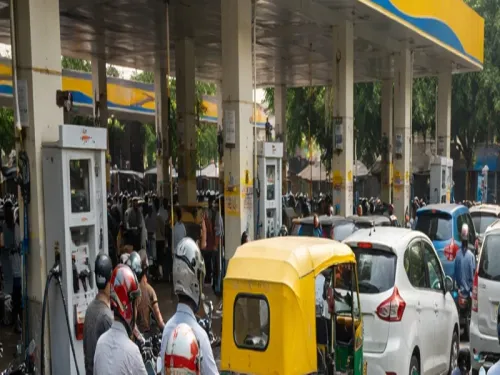
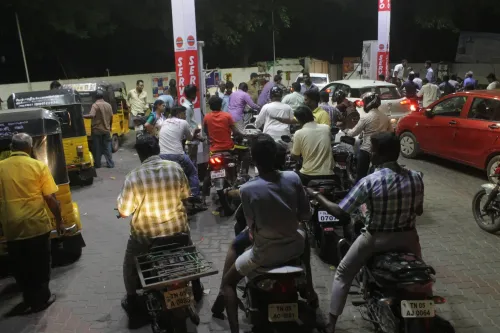
Andhra Pradesh Chief Minister N. Chandrababu Naidu on Sunday, April 26, convened an emergency teleconference with top state officials to tackle a growing fuel supply crisis that has forced 421 petrol pumps across Andhra Pradesh to shut their shutters. The crisis, triggered largely by panic buying among residents, has strained fuel distribution networks statewide, even as authorities maintain that overall supply levels remain adequate.
Scale of the Crisis: Numbers That Tell the Story
Out of 4,510 total fuel outlets in the state, 421 pumps — nearly 9.3% — had been shut as of Sunday, officials confirmed during the teleconference. The closures were not caused by an actual deficit in supply, but by an extraordinary spike in demand driven by public fear of a shortage.
On Saturday alone, petrol sales surged to 8,489 kilolitres against the daily average of 6,330 kilolitres — a jump of over 34%. Diesel sales similarly spiked to 10,556 kilolitres compared to the normal average of 9,048 kilolitres. Despite this, suppliers had already dispatched 10,345 kilolitres of petrol and 14,156 kilolitres of diesel to dealers on Saturday, figures that comfortably exceed normal daily consumption.
CM Chandrababu Naidu's Directives to Officials
Chief Minister Chandrababu Naidu held a teleconference with Chief Secretary G. Sai Prasad and senior departmental officials to assess the ground situation. He directed District Collectors across the state to immediately activate and implement an action plan to restore normalcy at fuel outlets.
The Chief Minister also ordered all departments involved in fuel supply management to submit a comprehensive report on the steps taken by Sunday evening. His swift intervention signals the political sensitivity of the issue, particularly in a state still rebuilding its administrative credibility under the Telugu Desam Party (TDP)-led government.
Aqua Sector Bulk Buying Adding Pressure
Officials flagged an additional layer of strain: the aquaculture (aqua) sector in Andhra Pradesh has been making bulk diesel purchases in drums, adding significant pressure on already-stressed supply chains. Andhra Pradesh is one of India's largest aquaculture producers, and the sector's heavy reliance on diesel-powered pumps means even routine seasonal demand can amplify a supply crunch.
This bulk buying, combined with panic purchases by the general public, created a compounding effect that rapidly depleted stocks at individual outlets — even where supply had been enhanced.
Government's Assurance: No Actual Shortage
Civil Supplies Minister Nadendla Manohar moved quickly to calm public anxiety, stating categorically that there is no shortage of petrol or diesel in Andhra Pradesh. He attributed the pump closures to localized supply logistics issues rather than any fundamental deficit in fuel availability.
The minister issued a stern warning against black-marketeers, stating that those found hoarding or illegally selling fuel would face strict legal action. His statement underscores a concern that opportunistic elements may be exploiting the panic to profit from artificial scarcity.
Broader Context and What This Means
This is not the first time panic buying has overwhelmed India's fuel retail infrastructure. Similar scenes played out in several Indian states during the COVID-19 lockdown periods of 2020-21 and briefly during the Russia-Ukraine conflict in 2022, when global crude oil prices spiked. In each case, the underlying supply was largely intact — the crisis was one of distribution and public confidence, not actual reserves.
The incident also highlights a structural vulnerability: India's fuel retail network, despite its scale, has limited buffer stock capacity at individual outlets. When demand surges even modestly above the norm, queues form rapidly, feeding the very panic that caused the surge in the first place — a classic demand-shock loop.
For Chandrababu Naidu, managing this crisis swiftly is also a political imperative. The TDP government, which returned to power in mid-2024 after five years in opposition, cannot afford optics of administrative failure on a basic commodity like fuel. The Chief Minister's rapid response — ordering same-day reports and activating District Collectors — appears designed as much for public reassurance as operational efficiency.
Going forward, the state government is expected to issue formal advisories urging citizens to purchase fuel only as needed, while coordinating with oil marketing companies to ensure accelerated replenishment of stocks at closed outlets. If the situation normalizes within 48-72 hours as officials predict, the episode may serve as a stress test for Andhra Pradesh's fuel supply chain management protocols.
Point of View
By its own data, adequately supplied — and that is precisely what makes it politically dangerous for Chandrababu Naidu. A government that returned to power promising efficient administration cannot afford images of citizens queuing desperately for petrol, regardless of whether the shortage is real or manufactured by fear. More troubling is the aqua sector angle: bulk diesel purchases in drums by a powerful commercial lobby are distorting supply chains meant for ordinary citizens, a structural problem that demands regulatory intervention, not just reassurance. If Naidu's government fails to address both the communication failure and the bulk-buying loophole, this episode could become a template for future crises.
NationPress
29 Sept 2026
Frequently Asked Questions
Why are petrol pumps closed in Andhra Pradesh today?
Petrol pumps in Andhra Pradesh closed due to rapid stock depletion caused by panic buying, not an actual fuel shortage. Saturday's fuel sales were over 34% above normal levels, draining individual outlets faster than replenishment could occur.
Is there a real petrol and diesel shortage in Andhra Pradesh?
No, Civil Supplies Minister Nadendla Manohar has confirmed there is no actual shortage of petrol or diesel in the state. The crisis is driven by panic purchases and localized supply logistics issues, not a deficit in overall fuel availability.
How many petrol pumps have shut in Andhra Pradesh?
As of Sunday, April 26, 2025, approximately 421 out of 4,510 fuel outlets in Andhra Pradesh had shut down. This represents roughly 9.3% of the state's total fuel retail network.
What action did CM Chandrababu Naidu take on the fuel crisis?
CM Chandrababu Naidu held an emergency teleconference with Chief Secretary G. Sai Prasad and directed District Collectors to immediately implement an action plan. He also ordered all departments to submit a status report by Sunday evening.
Why is the aqua sector being blamed for the fuel shortage in AP?
The aquaculture sector in Andhra Pradesh has been making large bulk purchases of diesel in drums, adding extra pressure on already-stressed fuel supply chains. This commercial bulk buying, combined with public panic purchases, rapidly depleted stocks at retail outlets.