Indian Army engineers power Operation Amistad field hospital in quake-hit Venezuela
Synopsis
India's Operation Amistad in earthquake-hit Venezuela wasn't just a medical mission — it was an engineering feat. The Shatrujeet Eagles kept a full field hospital powered and operational in disaster conditions, enabling over 8,000 medical procedures and 20 major surgeries. Venezuela's Acting President personally thanked PM Modi, signalling the diplomatic dividend India's HADR reach is now generating in Latin America.
Key Takeaways
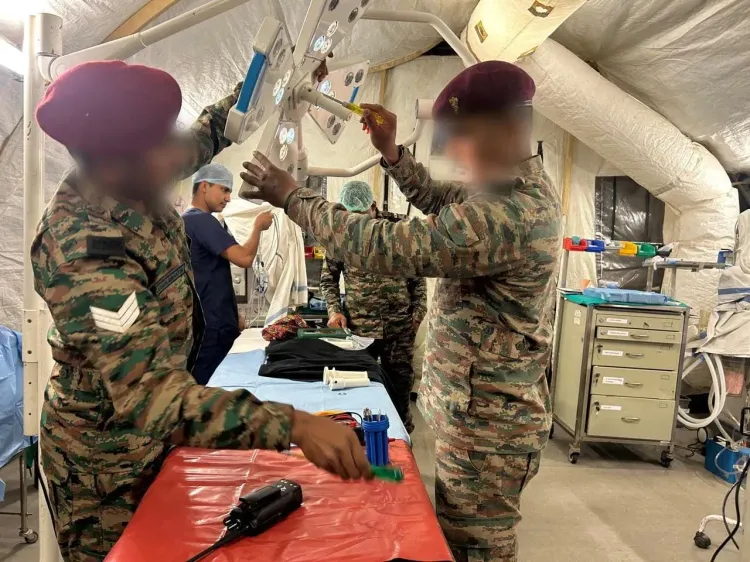
The Shatrujeet Task Force engineering wing, the Shatrujeet Eagles , sustained the Indian Army field hospital throughout Operation Amistad in earthquake-hit Venezuela .
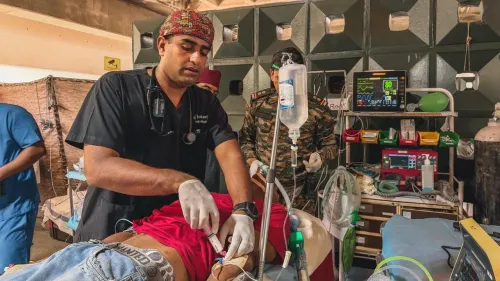
The field hospital completed more than 8,000 medical procedures and laboratory investigations , including over 20 major surgeries .
Engineers repaired and maintained critical medical and electrical equipment under challenging field conditions to ensure uninterrupted care.
The Indian contingent returned home on Friday after the successful conclusion of the mission.
Venezuela's Acting President Delcy Eloina Rodriguez Gomez thanked Prime Minister Narendra Modi for India's timely assistance and solidarity.
Operation Amistad marks India's extension of HADR reach into Latin America , building on prior deployments in Nepal, Sri Lanka, Turkey, and the Indo-Pacific.
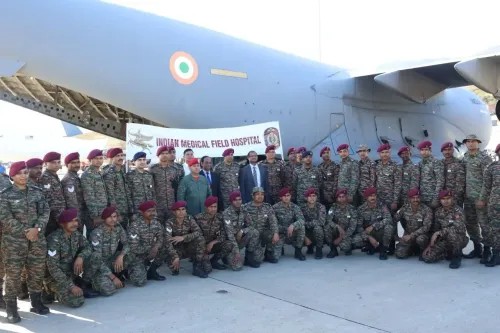
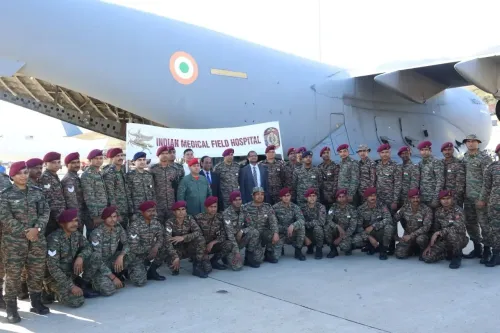
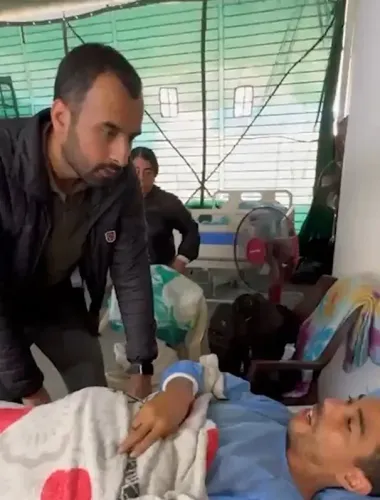
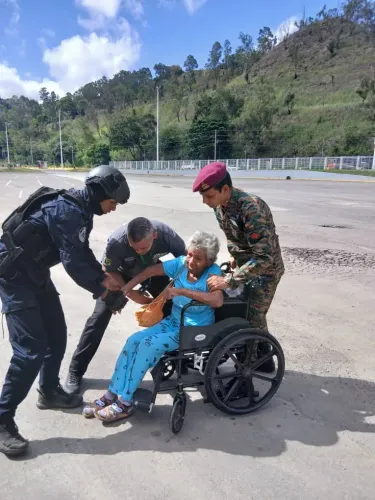
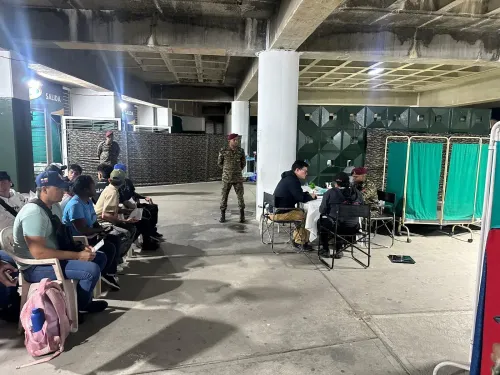
The engineering support wing of the Shatrujeet Task Force played a decisive behind-the-scenes role in Operation Amistad, India's Humanitarian Assistance and Disaster Relief (HADR) mission in earthquake-affected Venezuela, keeping the Indian Army's field hospital fully operational throughout the relief effort. The mission, which concluded recently, saw the Indian contingent return home on Friday after delivering critical medical aid to hundreds of quake-affected Venezuelans.
Engineering Support That Kept the Hospital Running
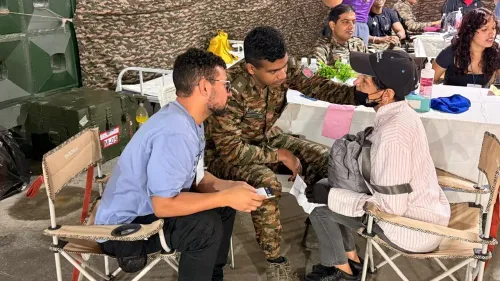
Known within the force as the Shatrujeet Eagles, the engineering component was responsible for repairing and maintaining critical medical and electrical equipment under challenging field conditions. From restoring life-saving medical devices to installing and sustaining vital electrical infrastructure, the team ensured the hospital was rapidly operationalised and remained mission-ready at every stage of the relief operation.
Working away from the frontlines, these personnel combined technical expertise with improvisation to support the medical teams treating earthquake survivors. Their contribution was, according to the Army, essential to ensuring uninterrupted healthcare delivery at a time when communities had few alternatives.
Scale of Medical Operations
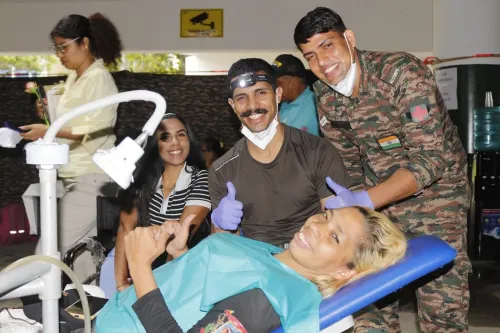
The field hospital deployed under Operation Amistad carried out more than 8,000 medical procedures and laboratory investigations, including over 20 major surgeries. The scale of intervention underscores how the engineering backbone — maintaining power, sterilisation units, and diagnostic equipment — was as critical as the clinical teams themselves.
Notably, this level of surgical and diagnostic throughput in a disaster-zone field hospital would not have been possible without continuous electrical and equipment support, making the Shatrujeet Eagles' role structurally integral rather than supplementary.
Venezuela's Response and India's Statement
Following the mission's conclusion, Venezuela's Acting President Delcy Eloina Rodriguez Gomez thanked Prime Minister Narendra Modi for India's timely assistance, solidarity, and support during the crisis. The acknowledgement from Caracas reflects the diplomatic weight that HADR missions carry beyond their immediate humanitarian impact.
The Indian Army said in a statement: 'Through their commitment to excellence and selfless service, the Indian Army once again reaffirmed India's role as a trusted first responder, delivering hope and humanitarian assistance when it was needed most.'
India's Broader HADR Posture
Operation Amistad is the latest in a series of overseas disaster relief deployments by India, reinforcing New Delhi's positioning as a reliable humanitarian partner in the Global South. India has previously deployed HADR assets in Nepal, Sri Lanka, Turkey, and across the Indo-Pacific, and this Venezuela mission extends that reach to Latin America — a relatively newer theatre for Indian military diplomacy.
This comes amid India's broader 'Neighbourhood First' and 'Global South' foreign policy frameworks, under which rapid humanitarian response has become a key instrument of soft power. With the contingent now back home, the Ministry of Defence is expected to formally debrief the mission and assess lessons for future HADR deployments.
Point of View
A Venezuela deployment is geopolitically notable: India's HADR footprint has now reached Latin America, a region where China has invested heavily in influence. Venezuela's Acting President personally thanking PM Modi is not incidental — it is the soft-power dividend that New Delhi's rapid-response doctrine is designed to generate, and it deserves more analytical attention than it is getting.
NationPress
12 Oct 2026
Frequently Asked Questions
What was Operation Amistad?
Operation Amistad was India's Humanitarian Assistance and Disaster Relief (HADR) mission to earthquake-affected Venezuela, during which the Indian Army deployed a field hospital and engineering support teams to provide medical care to affected communities. The operation has now concluded, with the Indian contingent returning home on Friday.
What role did the Shatrujeet Task Force engineers play in Operation Amistad?
The engineering support component of the Shatrujeet Task Force — referred to as the Shatrujeet Eagles — repaired and maintained critical medical and electrical equipment, ensuring the field hospital remained fully operational throughout the mission. Their work was essential to enabling uninterrupted healthcare delivery in difficult field conditions.
How many medical procedures did the Indian Army field hospital carry out in Venezuela?
The field hospital conducted more than 8,000 medical procedures and laboratory investigations, including over 20 major surgeries, during Operation Amistad. This scale of output in a disaster-zone setting was made possible in part by continuous engineering support.
How did Venezuela respond to India's relief mission?
Venezuela's Acting President Delcy Eloina Rodriguez Gomez formally thanked Prime Minister Narendra Modi for India's timely assistance, support, and solidarity during the crisis, following the conclusion of Operation Amistad.
Why does Operation Amistad matter beyond the immediate relief effort?
Operation Amistad extends India's HADR reach into Latin America, a region where India has historically had limited military-diplomatic engagement. It reinforces India's positioning as a first-responder nation in the Global South and adds a new geographic dimension to its disaster relief diplomacy.