Indian Army signs MoU to bring mobile connectivity to Arunachal's Kameng border villages

Synopsis
The Indian Army has signed an MoU with a private telecom firm to connect remote Kameng district villages in Arunachal Pradesh that have been without mobile coverage for over a decade. The move blends strategic security goals with inclusive development — and signals how India's military is increasingly doubling as a frontier infrastructure builder.
Key Takeaways
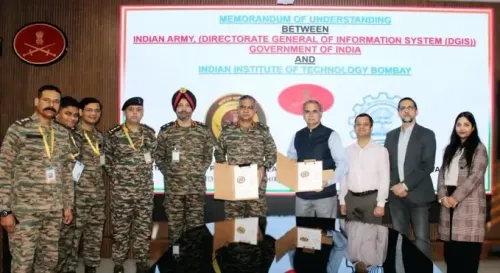
The Indian Army and a private telecom company signed an MoU on 14 June to expand mobile connectivity in Kameng district , Arunachal Pradesh .
Targeted communities have been without reliable mobile connectivity for over ten years .
The project will enable access to digital education , healthcare , financial inclusion , and government services for border residents.
Upgraded networks will also bolster Indian Army operational and logistical capabilities in forward areas.
The initiative aligns with the government's Viksit Bharat @ 2047 inclusive development vision.
The Indian Army and a private telecommunications company have signed a Memorandum of Understanding (MoU) to extend mobile connectivity to remote border villages in the Kameng district of Arunachal Pradesh, officials announced on Sunday, 14 June. The initiative targets communities that have remained digitally disconnected for over a decade in one of India's most strategically sensitive frontier zones.
What the MoU Covers
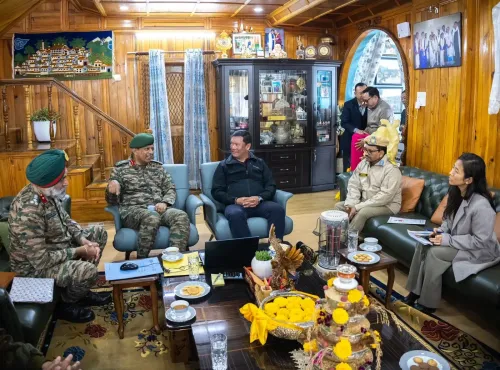
Defence spokesman Lt Col Mahendra Rawat confirmed that the agreement focuses on developing communication infrastructure and establishing reliable mobile network coverage across remote stretches of western Arunachal Pradesh's Kameng district. The partnership brings together military and civilian stakeholders in a coordinated push for sustainable infrastructure development along the border.
According to Lt Col Rawat, the project directly addresses a critical developmental gap — communities in these frontier areas have gone without dependable mobile connectivity for more than ten years, leaving them cut off from essential services.
Impact on Border Communities
The connectivity push is expected to unlock access to a range of government and social services for local residents. Lt Col Rawat said the improved network will facilitate digital education, healthcare, financial inclusion, and basic communication facilities — significantly improving the quality of life in the region.
Beyond social services, enhanced connectivity is also projected to stimulate tourism and generate new avenues for economic growth and socio-economic development. Officials noted that better integration with the national mainstream has long been a stated developmental priority for India's border districts.
Strategic and Security Dimensions
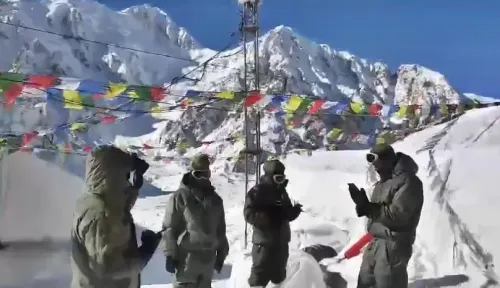
From a defence standpoint, the upgraded network infrastructure is expected to strengthen the operational effectiveness of Indian Army troops deployed in forward positions. Lt Col Rawat highlighted that improved communication capabilities will enhance logistical coordination for personnel stationed in these high-altitude frontier areas.
This is consistent with a broader pattern of military-civil integration in India's border belt, where infrastructure development and security objectives are increasingly pursued in tandem. Notably, Arunachal Pradesh shares a contested boundary with China, lending added strategic weight to any connectivity improvement in the region.
Alignment with National Vision
Officials stated that the initiative aligns with the government's Viksit Bharat @ 2047 framework, which envisions inclusive development reaching the country's most remote corners. The Army-telecom partnership is being positioned as a model for civil-military synergy in frontier infrastructure building.
With sectoral rollout details yet to be publicly disclosed, the pace of network deployment and the identity of the telecommunications partner will be closely watched as the project moves from agreement to execution.
Point of View
Sparse population density, and limited commercial incentive for telecom operators. The Army's entry as a facilitating partner addresses the commercial viability gap, but the real test is execution speed: MoUs in frontier infrastructure have a mixed track record of translating into live networks. With China actively upgrading its own border-side infrastructure in the same region, the strategic cost of delay is not abstract. The government's Viksit Bharat framing is apt, but the metric that matters is not the MoU signing — it is the date the first village gets a signal.
NationPress
13 Sept 2026
Frequently Asked Questions
What is the Indian Army-telecom MoU for Arunachal Pradesh about?
The MoU is an agreement between the Indian Army and a private telecommunications company to build mobile network infrastructure in remote villages of Kameng district in western Arunachal Pradesh. It aims to end over a decade of digital disconnection in these strategically important border communities.
Which area does this connectivity initiative cover?
The initiative covers remote border villages in the Kameng district of western Arunachal Pradesh. These communities have been without reliable mobile connectivity for more than ten years, according to defence officials.
How will the connectivity project benefit local residents?
Residents will gain access to digital education, healthcare services, financial inclusion tools, and basic communication facilities. Enhanced connectivity is also expected to promote tourism and create economic opportunities in the region.
What is the strategic significance of this project for the Indian Army?
Improved network infrastructure will support the operational effectiveness of Army troops deployed in forward areas by enabling better communication and logistical coordination. Arunachal Pradesh borders China, making reliable connectivity in the region a security priority.
How does this initiative align with government policy?
The project is aligned with the government's Viksit Bharat @ 2047 vision of inclusive development and reflects a broader policy of civil-military integration in frontier infrastructure building.