White House Vows Real Consequences for Federal Fraud
Synopsis
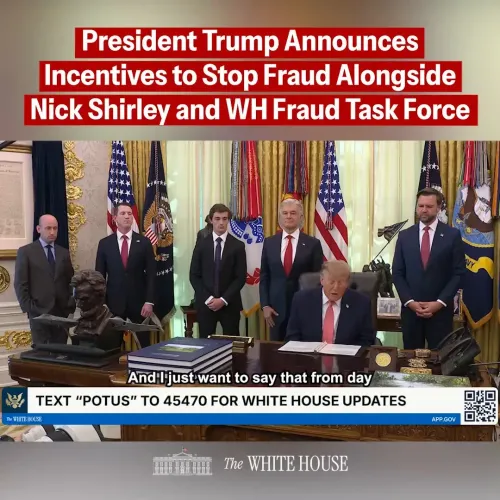
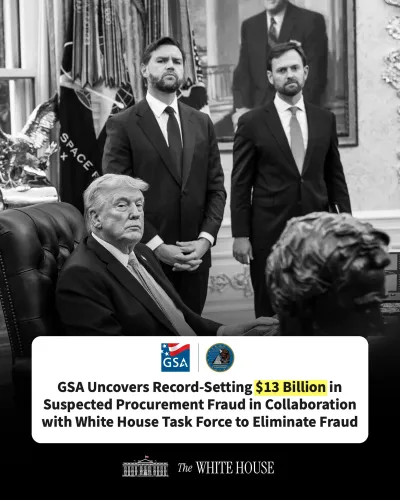
The White House declared on October 29, 2026, that the Trump Administration is cracking down on fraud against American taxpayers, warning fraudsters they will now face real consequences. No specific enforcement mechanism was detailed in the post.
Key Takeaways
The White House posted on October 29, 2026 , declaring the Trump Administration is actively protecting American taxpayers from fraud.
The statement warns fraudsters they will 'face real consequences' — framing the message as a deterrent.
No specific enforcement action, legislation, or program change was named in the post itself.
The administration used capitalised, present-tense language ('is PROTECTING'), suggesting action already underway rather than a future promise.
Cracking down on government waste and fraud has been a recurring communications theme across the Trump Administration's tenure.
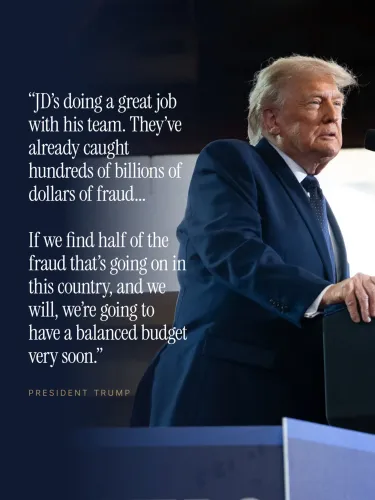
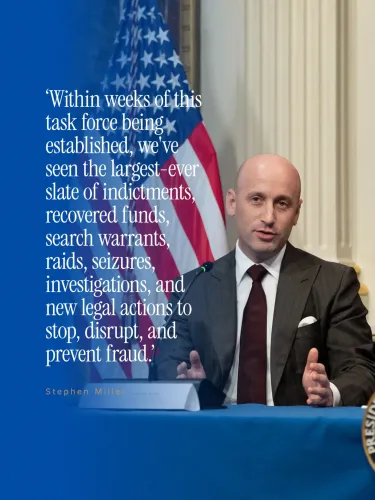
The Trump Administration is drawing a hard line on federal fraud — warning would-be fraudsters that the days of stealing from American taxpayers without serious consequence are over. The White House made the declaration on Thursday, October 29, 2026, in a pointed post on X that put deterrence front and centre.
The message Washington is sending to fraudsters
The White House's post was unambiguous: 'Fraudsters will now face real consequences and will think long and hard before attempting to steal from the American people.' The language is deliberately punitive — framed not just as enforcement, but as a warning shot. The administration is signalling that the cost of attempting federal fraud has risen sharply.
Protecting public funds from fraud has been a recurring theme of the Trump Administration, which has consistently framed fiscal accountability as a taxpayer-first priority. The rhetoric fits a broader effort to project strength on government waste — a message with proven resonance among the administration's political base.
A pattern older than any single administration
This kind of declaration is not new to Washington. Across Republican and Democratic administrations alike, the executive branch has periodically issued high-profile warnings about crackdowns on fraud against federal programs — from Medicare and Medicaid abuse to pandemic-relief scams. What varies is the enforcement muscle behind the messaging.
The sharpness of this statement suggests a specific enforcement action or policy mechanism may be in the pipeline. The White House offered no granular detail in the post itself, but the declarative tone — 'is PROTECTING,' present tense, capitalised — implies an action already underway rather than a future pledge.
Why the deterrence framing matters
Deterrence-first messaging serves a dual purpose: it reassures taxpayers that their money is being defended, and it raises the perceived risk for anyone testing the boundaries of federal programs. The administration's choice to amplify this publicly — rather than letting a Justice Department press release do the work — suggests the political value of the message is considered high.
For Indian observers watching US governance, the dynamic mirrors debates closer to home: how loudly an administration communicates consequences shapes public perception of institutional seriousness, sometimes as much as the enforcement itself does.
The next test is whether specific prosecutions, legislative changes, or departmental directives follow — because in Washington, the gap between a strongly worded post and a consequential policy change can be wide, or it can be nothing at all.
Point of View
Signalling fiscal seriousness to a taxpayer audience without requiring immediate legislative action. What distinguishes rhetoric from policy is the enforcement infrastructure that follows — prosecutorial resources, departmental directives, and legislative teeth. Until specifics emerge, this sits firmly in the category of deterrence signalling, a tool every modern US administration has reached for. The real test will be whether a concrete crackdown materialises in the weeks ahead.
NationPress
29 Oct 2026
Frequently Asked Questions
What did the White House say about fraud on October 29 2026?
The White House posted that the Trump Administration is protecting American taxpayers and that fraudsters will now face real consequences for attempting to steal from the American people. No specific enforcement mechanism was disclosed in the post.
What is the Trump Administration doing to stop federal fraud?
The administration has signalled a tougher stance on fraud against federal programs, emphasising deterrence and consequences. Specific policy details or enforcement actions had not been publicly named at the time of the White House post.
How does the US government protect taxpayer money from fraud?
The US federal government uses a range of tools including Department of Justice prosecutions, inspector-general investigations, and program-integrity units within agencies like the Department of Health and Human Services to detect and punish fraud against public funds.
Is cracking down on government fraud a new Trump policy?
No. Reducing government waste and fraud has been a stated priority throughout the Trump Administration's tenure, and similar anti-fraud declarations have been made by previous US administrations of both parties.
Why does the White House publicly announce fraud crackdowns?
Public announcements serve a deterrence function — raising the perceived risk for potential fraudsters — and a political one, demonstrating to taxpayers that the administration is actively defending public funds.