Assam CM Himanta Biswa Sarma orders strict market monitoring to curb unfair price rise
Synopsis
Assam CM Himanta Biswa Sarma has put traders on notice: unfair price hikes on essential commodities will invite licence cancellations. With District Monitoring Committees ordered to convene within days and mandatory price displays at all outlets, the Sarma government is moving from rhetoric to a structured enforcement framework — a notable escalation from previous warnings.
Key Takeaways
Assam CM Himanta Biswa Sarma on 18 May ordered strict market monitoring of essential commodity prices across all districts.
Deputy Commissioner-led District Monitoring Committees must convene within three to four days to assess the market situation.
Display of retail and wholesale prices made mandatory at all shops and wholesale outlets.
Traders found guilty of abnormal price hikes face penalties including cancellation of trade licences .
Deputy Commissioners directed to hold weekly review meetings with chambers of commerce and trade bodies.
Officials asked to expedite Aadhaar seeding under Pradhan Mantri Ujjwala Yojana to eliminate duplicate LPG beneficiaries.
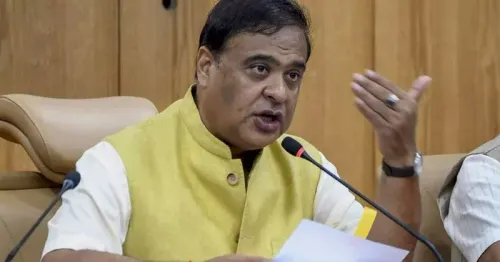
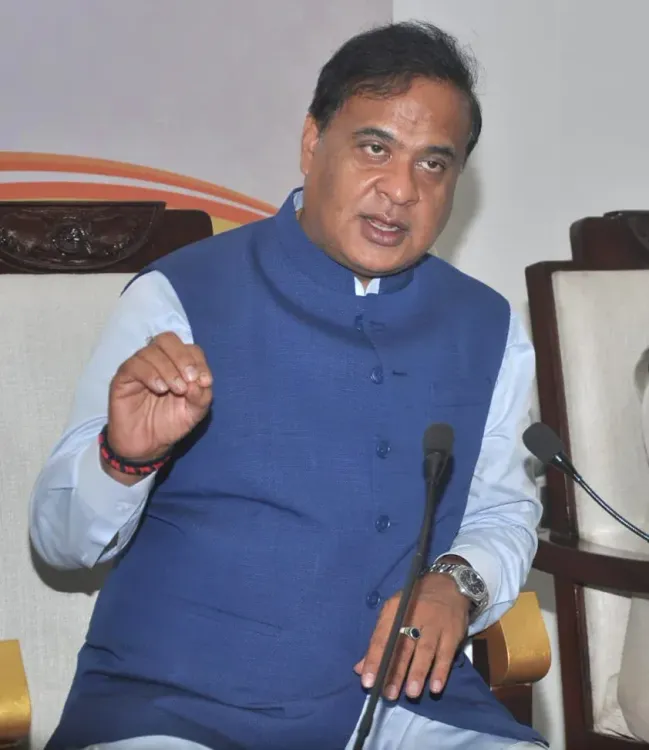
Assam Chief Minister Himanta Biswa Sarma on Monday, 18 May directed district officials across the state to intensify surveillance of essential commodity prices, warning that the government will not tolerate any unfair escalation and that violators face stringent penalties, including cancellation of trade licences.
What the Chief Minister Said
Sarma, posting on social media platform X, stated that the government and administration are keeping “a close eye on the market” to protect consumers from abnormal price hikes. “Our Govt and administration is keeping a close eye on the market and will not allow any unfair price rise,” he wrote. He added: “I have instructed officials in every district to keep a tab on prices of items and take stringent actions against any defaulter.”
Key Directives Issued
During a review of the state’s price monitoring mechanism, Sarma instructed Deputy Commissioner-led District Monitoring Committees to convene within the next three to four days to assess prevailing market conditions. He also made the display of both retail and wholesale prices mandatory at all shops and wholesale outlets, aiming to ensure transparency and curb arbitrary pricing.
Sarma further directed Deputy Commissioners to hold weekly review meetings with chambers of commerce and trade bodies to track market trends and address supply and pricing grievances. Officials confirmed that traders found engaging in abnormal price hikes could face cancellation of their trade licences in serious cases.
Field Monitoring and LPG Distribution
The Chief Minister directed officials to undertake intensive field-level monitoring to detect unusual price escalation in local markets. In a separate but related directive, Sarma asked officials to expedite Aadhaar seeding of beneficiaries under the Pradhan Mantri Ujjwala Yojana to eliminate duplicate entries in LPG cylinder distribution and ensure benefits reach genuine consumers.
Why It Matters
The crackdown comes amid broader national concerns over food and fuel inflation, which have periodically strained household budgets across India’s northeastern states. Assam’s supply chains for essential commodities are particularly sensitive to disruptions given the region’s geography. Notably, this is not the first time the Sarma administration has signalled a zero-tolerance stance on profiteering — similar directives were issued during previous periods of price stress. The latest round of enforcement, however, is notably more structured, with formalised committee timelines and mandatory price-display norms.
The government said the measures collectively aim to maintain market stability, check profiteering, and ensure uninterrupted availability of essential goods for the public. How effectively district machinery implements these directives in the coming days will determine whether consumer prices see any meaningful relief.
Point of View
Mandatory price displays, and the threat of licence cancellation give it teeth that past announcements lacked. But the real test lies in district-level follow-through: Assam’s enforcement machinery has historically been uneven, and traders in smaller towns are rarely held accountable beyond a few headline raids. The Aadhaar-seeding push for Ujjwala beneficiaries is a smart parallel move — plugging subsidy leakage while signalling fiscal discipline — but its impact depends on how quickly the bureaucracy can process the backlog. If the committee meetings produce action rather than minutes, this could set a replicable template for other northeastern states facing similar supply-chain vulnerabilities.
NationPress
2 Oct 2026
Frequently Asked Questions
Why has Assam CM Himanta Biswa Sarma ordered market monitoring?
Sarma ordered intensified market monitoring to prevent unfair price hikes on essential commodities and protect consumers from abnormal cost escalation. The directive follows a review of the state’s existing price surveillance mechanism on 18 May.
What action can traders face for hiking prices unfairly in Assam?
Traders found indulging in abnormal price hikes can face stringent action, including cancellation of their trade licences in serious cases, according to officials. District-level officials have been empowered to act against defaulters.
What are District Monitoring Committees and what is their role?
District Monitoring Committees are Deputy Commissioner-led bodies tasked with assessing market conditions and ensuring compliance with government pricing directives. Sarma has asked them to convene within three to four days to review the current market situation across Assam.
What is the Aadhaar seeding directive under Pradhan Mantri Ujjwala Yojana?
Sarma directed officials to expedite the linking of Aadhaar numbers to beneficiary records under the Pradhan Mantri Ujjwala Yojana to eliminate duplicate entries in LPG cylinder distribution. The move is aimed at ensuring subsidised cylinders reach only genuine consumers.
How will price transparency be enforced at shops in Assam?
The Assam government has made it mandatory for all shops and wholesale outlets to display both retail and wholesale prices prominently. This measure is intended to prevent arbitrary pricing and allow consumers to verify whether they are being charged correctly.