White House Backs Trump on Sanctuary Cities, Names Victims of Illegal Immigrant Crime

Synopsis
The White House named three American women — Laken Riley, Sheridan Gorman, and Jocelyn Nungaray — killed by undocumented immigrants, as it publicly backed President Trump's campaign against sanctuary city policies on August 17, 2026.
Key Takeaways
The White House posted on August 17, 2026 backing President Trump's stance against sanctuary city immigration policies.
Three named victims — Laken Riley , Sheridan Gorman , and Jocelyn Nungaray — are cited as casualties of failed immigration enforcement.
The post explicitly labels sanctuary city policies as a 'radical left' failure that endangers 'EVERY American.' The Laken Riley Act , signed in early 2025 , mandates detention of undocumented immigrants charged with violent crimes or theft.
The White House framing positions non-cooperation with federal immigration authorities as complicit in preventable deaths.
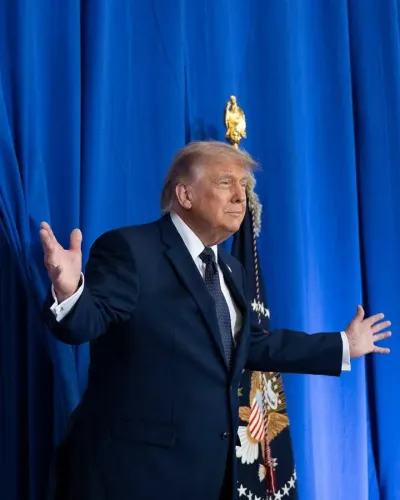
Three names — Laken Riley, Sheridan Gorman, Jocelyn Nungaray — and a blunt accusation: the White House invoked them on Monday, August 17, 2026, to frame President Donald Trump's crackdown on sanctuary city policies as a matter of life and death for ordinary Americans.
The Three Names Behind the Policy Push
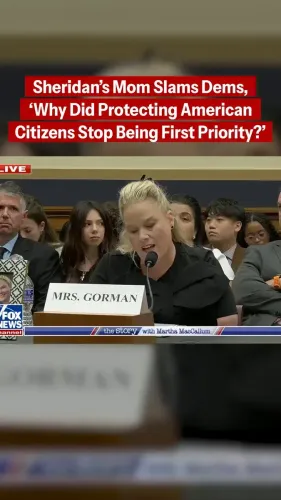
The post names three women whose deaths the administration attributes to failures in immigration enforcement. Laken Riley, a nursing student killed in Athens, Georgia in February 2024, became the first named victim in the Laken Riley Act — federal legislation signed by President Trump in early 2025 requiring the detention of undocumented immigrants charged with theft or violent crimes. Her name has since become a recurring touchstone in the administration's immigration messaging. Sheridan Gorman and Jocelyn Nungaray are also cited by the White House as victims of violent crimes committed by individuals in the country illegally.
Sanctuary Cities in the Crosshairs
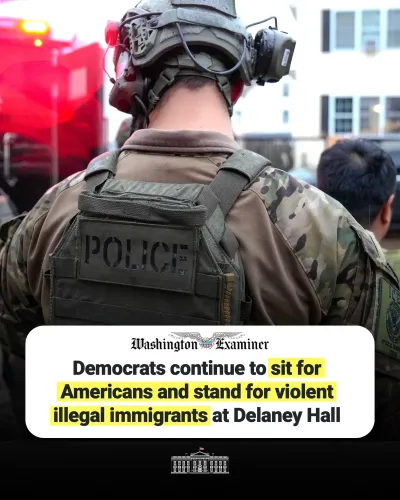
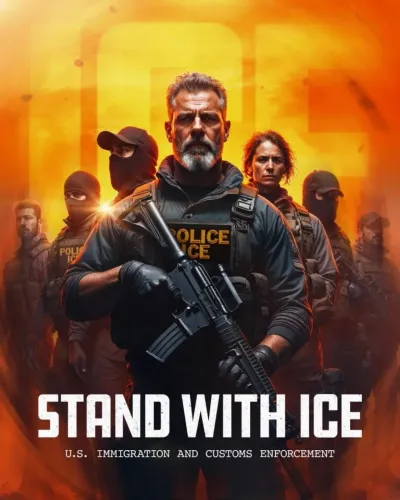
The White House post labels sanctuary city policies — local or state laws that limit cooperation with federal immigration authorities — as 'radical left' failures that 'endanger EVERY American.' The Trump administration has pursued legal and financial pressure against jurisdictions that maintain such policies, including withholding federal funding and deploying immigration enforcement operations in cities like Chicago, New York, and Los Angeles. The framing positions non-cooperation with ICE as directly complicit in preventable deaths.
A Message That Doubles as a Political Weapon
The official White House account's use of phrases like 'radical left' and 'criminal illegals' signals that this is not merely a policy statement — it is campaign-grade language deployed from the highest official communications platform in the United States. By anchoring the argument to named victims rather than statistics, the administration makes the case visceral and personal. The post's closing phrase — 'the countless other Americans killed by criminal illegals' — extends the argument beyond the three named women into a broader, open-ended indictment of current immigration enforcement gaps.
The political stakes are high: immigration remains among the most galvanising issues in American domestic politics, and the White House is betting that personalising enforcement failures will sustain public pressure on Democratic-led cities and states to comply with federal directives — or face the political cost of being seen as choosing policy over lives.
Point of View
Using the official presidential communications platform to blur the line between governance and campaign messaging. For Democratic mayors and governors running sanctuary jurisdictions, the post is a direct dare: defend your policy against these names. The political calculus is that in a polarised environment, personalised tragedy outperforms abstract civil-liberties arguments every time.
NationPress
18 Aug 2026
Frequently Asked Questions
What are sanctuary cities and why does the White House oppose them?
Sanctuary cities are jurisdictions that limit their cooperation with federal immigration enforcement agencies like ICE. The White House argues these policies allow undocumented immigrants who commit crimes to evade deportation, endangering American lives.
Who is Laken Riley and why is she mentioned by the White House?
Laken Riley was a nursing student killed in Athens, Georgia in February 2024, allegedly by an undocumented immigrant. Her death led to the Laken Riley Act, signed by President Trump in 2025, which requires detention of undocumented immigrants charged with violent crimes or theft.
Who are Sheridan Gorman and Jocelyn Nungaray?
Sheridan Gorman and Jocelyn Nungaray are two other American women named by the White House as victims of violent crimes allegedly committed by individuals in the United States illegally, cited to support the administration's immigration enforcement push.
What is the Laken Riley Act?
The Laken Riley Act is a federal law signed by President Trump in early 2025 that mandates the detention of undocumented immigrants who have been charged with theft, burglary, or violent crimes, rather than allowing them to remain free pending immigration proceedings.
What action is the Trump administration taking against sanctuary cities?
The Trump administration has pursued multiple measures against sanctuary jurisdictions, including withholding federal funding, deploying immigration enforcement operations in major cities, and using official communications to build public pressure for compliance with federal immigration directives.