White House Slams Democrats, Vows to Reject 'Failed' Immigration Policies
Synopsis
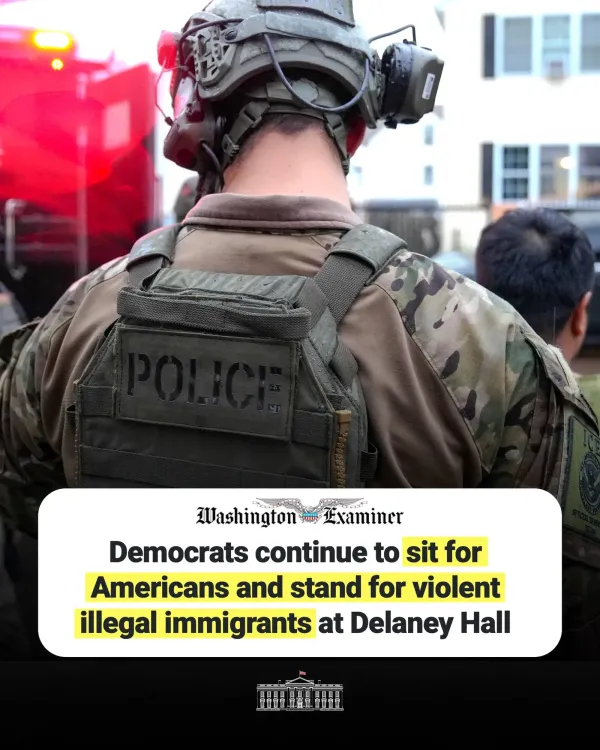
The White House on June 3, 2026 accused Democratic leadership of prioritising undocumented offenders over American citizens, declaring that the Trump Administration rejects what it called 'radical, dangerous and failed' immigration policies. The post sharpens an ongoing partisan battle over border and interior enforcement in Washington.
Key Takeaways
The White House posted the statement on June 3, 2026 , targeting Democratic leadership on immigration.
It accused Democrats of prioritising 'illegal alien criminals over American citizens'.
The Trump Administration declared it 'REJECTS' Democratic immigration policies, calling them 'radical, dangerous and failed'.
The post builds on a first-term legacy that included Executive Order 13767 and the Migrant Protection Protocols .
Next flashpoints include FY2027 border security appropriations and possible new executive orders.
Tighter US enforcement climates have historically spilled into legal visa scrutiny, relevant for Indian migrants.
The White House, the official communications arm of the Executive Office of the President of the United States, on Wednesday, June 3, 2026, issued a sharply worded statement on social media accusing the Democratic Party leadership of shielding undocumented offenders at the expense of American citizens. The post signalled a renewed escalation of the Trump Administration's public messaging on border and interior immigration enforcement.
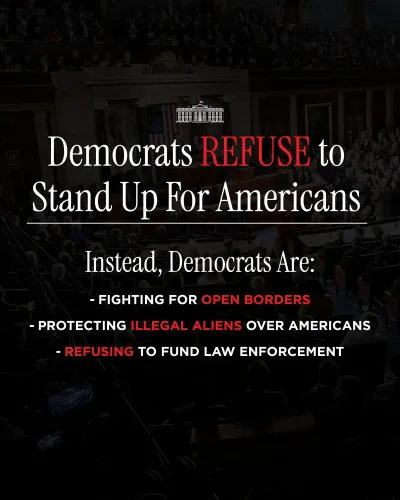
'Democrat leadership has made it clear: They have no problem prioritizing illegal alien criminals over American citizens,' the White House wrote, adding that 'The Trump Administration REJECTS the radical, dangerous and failed illegal immigration policies that Democrats continue to push.' The statement did not cite a specific legislative proposal or court ruling, but framed the broader partisan divide as a binary choice between citizen safety and migrant leniency.
Context
The post lands amid an ongoing political fight in Washington DC over the contours of US immigration enforcement, a perennial wedge issue that has dominated the national agenda since the President's return to office. The administration has repeatedly used official channels to contrast its approach with that of the opposition, casting Democratic positions as soft on criminal conduct by non-citizens.
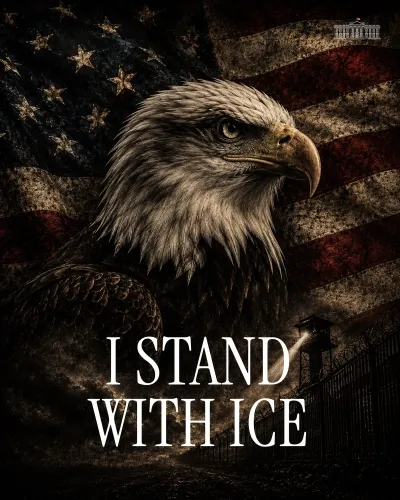
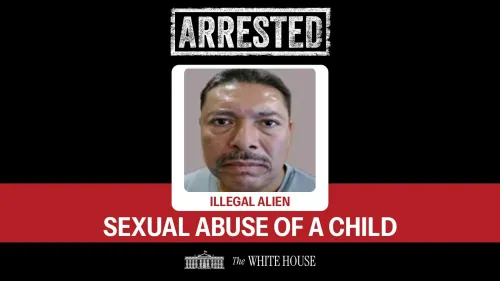
By using the phrase 'illegal alien criminals', the White House communications team continued a vocabulary it has deployed consistently in recent months — language that supporters say is precise and critics argue is inflammatory. The post was accompanied by a single image but no link to a specific bill, hearing, or incident.
Policy backdrop
The Trump Administration's immigration posture builds on a lineage established during the President's first term. In 2017, Executive Order 13767 directed construction of a southern border wall and a significant expansion of detention capacity. A year later, the Migrant Protection Protocols required many asylum seekers to remain in Mexico while their US claims were adjudicated.
That framework was substantially rolled back by the subsequent Democratic administration, which emphasised humanitarian parole pathways and narrower interior enforcement priorities. The whiplash between administrations has become a defining feature of US immigration policy, with each side accusing the other of either cruelty or recklessness.
Stakeholders and impact
The most directly affected constituencies include US citizens in border states, local law enforcement agencies that cooperate with federal immigration authorities, and migrant communities — both documented and undocumented — who face shifting enforcement priorities. Employers in agriculture, hospitality and construction, sectors that historically rely on immigrant labour, are also closely tracking the administration's signals.
For the Indian-American diaspora and prospective migrants from India, the rhetorical hardening matters because broader enforcement crackdowns have, in past cycles, coincided with tighter scrutiny of legal visa categories such as H-1B, F-1 student visas and employment-based green cards. While the post addresses undocumented migration specifically, the political climate it reflects often spills into legal immigration debates.
What's next
Attention now turns to the US Congress, where any FY2027 border security appropriations bill could become the next flashpoint. Lawmakers are also watching for fresh executive orders that may modify parole programmes, removal priorities, or cooperation agreements with state and local agencies.
The White House post itself does not announce a new rule or order, but it sets the rhetorical stage for the administration's coming legislative push. Whether Democratic leaders respond with a counter-framing — or pivot to bipartisan negotiation — will shape the trajectory of the debate through the summer.
For Indian observers, the episode is a reminder that US immigration politics, while domestically driven, has cascading effects on global mobility, remittance flows and the long arc of skilled migration from South Asia.
Point of View
Anchoring the administration's 2026 messaging firmly on the immigration-and-crime axis that has historically mobilised its base. By framing the choice as binary — citizens versus 'illegal alien criminals' — the White House pre-empts any nuanced Democratic counter-offer on border reform. The timing suggests an upcoming legislative or executive push that will benefit from a softened rhetorical battlefield. For India watchers, the broader hardening of US migration discourse warrants close attention even when the immediate target is undocumented migration.
NationPress
19 Sept 2026
Frequently Asked Questions
What did the White House say about Democrats and immigration?
The White House said Democrat leadership has 'no problem prioritizing illegal alien criminals over American citizens' and declared that the Trump Administration rejects Democratic immigration policies as 'radical, dangerous and failed'. The post was made on June 3, 2026.
Does this White House post announce a new immigration law?
No, the post does not announce a new law, executive order, or rule. It is a political messaging statement that sharpens the administration's stance ahead of expected legislative and executive activity on border enforcement.
How could US immigration crackdowns affect Indians?
While the post targets undocumented migration, hardened US enforcement climates have historically coincided with tighter scrutiny of legal categories such as H-1B work visas, F-1 student visas and employment-based green cards, which are heavily used by Indian applicants.
What were Trump's earlier immigration measures?
In 2017, the administration issued Executive Order 13767 directing border wall construction and expanded detention. In 2018, the Migrant Protection Protocols required many asylum seekers to remain in Mexico during US proceedings.
What happens next on US border policy?
Attention shifts to the US Congress and possible FY2027 border security appropriations, along with any fresh executive orders modifying parole programmes, removal priorities, or cooperation with state and local law enforcement.