Trump Accuses Democrats of Siding With Cartels in Border Vote
Synopsis
President Trump, via the White House, accused Democratic lawmakers of voting with 'cartels, terrorists, gang members, and drug dealers' on a border security measure, while crediting Republican majorities with protecting law-abiding Americans. The statement intensifies the partisan battle over US immigration enforcement ahead of FY2027 appropriations.
Key Takeaways
The White House posted a statement from President Donald J.
Trump on June 10, 2026 attacking Democrats over a congressional border security vote.
Trump accused 'Radical Left Dumocrats' of voting alongside 'cartels, terrorists, gang members, and drug dealers.' Republican majorities were credited with voting to 'PROTECT law-abiding American citizens,' according to the statement.
The rhetoric echoes language used by the Trump administration across multiple election cycles since the 2010s .
The statement comes as Congress prepares to take up FY2027 border security appropriations and possible standalone enforcement legislation.
Key stakeholders include border communities , law enforcement agencies , and immigrant advocacy groups with sharply divergent views on enforcement policy.
The White House, the official communications account of the Executive Office of the President of the United States, on Wednesday, June 10, 2026, shared a statement from President Donald J. Trump sharply attacking Democratic lawmakers over a congressional vote on border security, framing the outcome as a choice between protecting citizens and aligning with criminal organisations.
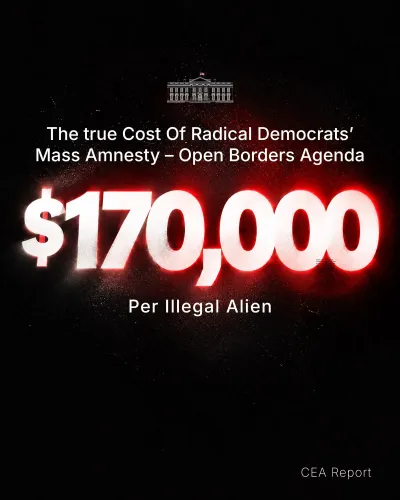
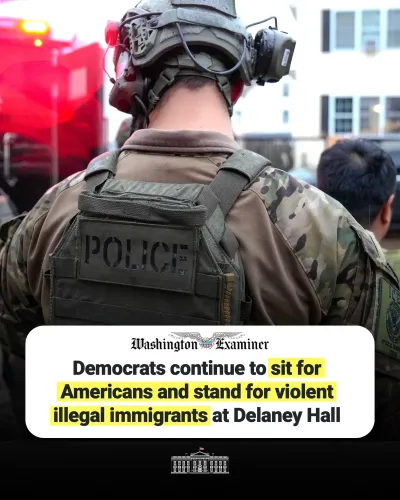
In the statement, President Trump declared: 'Very simply, the Radical Left Dumocrats... voted with the cartels, the terrorists, the gang members, the drug dealers - and our great Republican majorities voted to PROTECT law-abiding American citizens.' The post was accompanied by an image and shared widely on the platform.
Context
The statement follows a congressional vote on border security legislation, with the White House framing the outcome in stark partisan terms. While the specific bill referenced in the June 2026 post is not independently confirmed in available records, the language is consistent with the Trump administration's long-standing rhetorical posture on immigration enforcement. Republican majorities in Congress are portrayed as the sole defenders of American citizens against violent criminal networks.
The reference to 'cartels, terrorists, gang members, and drug dealers' directly invokes the administration's characterisation of threats at the US-Mexico border — language that has been a fixture of Republican campaign messaging since the 2010s.
Policy Backdrop
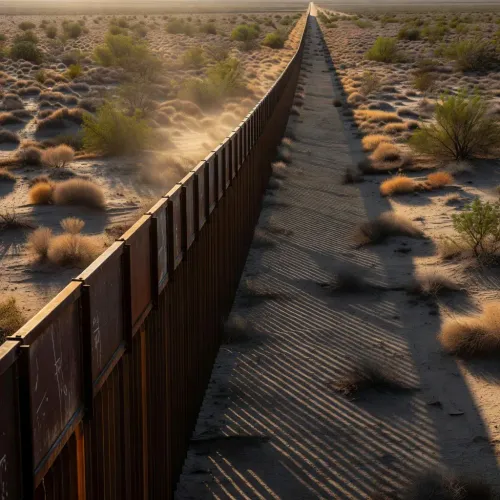
US border and immigration policy has been a persistent fault line between the two major parties for decades. The Secure Fence Act of 2006 authorised physical barriers along the southern border, while in 2019, President Trump declared a national emergency to redirect Department of Defense funds toward border wall construction after congressional appropriations fell short of his administration's requests.
A broader bipartisan immigration overhaul — the Border Security, Economic Opportunity, and Immigration Modernization Act — passed the Senate in 2013 but stalled in the House, underscoring how partisan divisions have repeatedly blocked comprehensive reform. Republicans have consistently prioritised physical enforcement and interior deportation measures, while Democrats have advocated for expanded legal immigration pathways and humanitarian protections.
The rhetorical device of equating an opposing party's votes with support for criminal organisations has appeared across multiple election cycles, and analysts note it serves to sharpen the political contrast ahead of legislative or electoral battles.
Stakeholders and Impact
Border communities and law enforcement agencies are the most directly affected stakeholders in any border security legislation. Sheriffs, Border Patrol agents, and local governments in states such as Texas, Arizona, and California have long called for clearer federal policy and sustained funding to manage crossings, drug interdiction, and humanitarian processing.
The framing also carries domestic political weight: by tying Democratic votes to cartel activity, the Trump administration seeks to consolidate Republican support and put pressure on swing-district Democrats ahead of any future appropriations debates. Civil liberties organisations and immigrant advocacy groups, for their part, have consistently contested this characterisation, arguing that enforcement-only approaches ignore asylum obligations under international law.
What's Next
Attention now turns to upcoming House and Senate action on FY2027 border security appropriations and any standalone enforcement legislation. If Republican majorities hold, the administration is expected to push for expanded funding for physical barriers, detention capacity, and deportation operations. Democratic opposition is likely to coalesce around amendments protecting asylum seekers and limiting the scope of enforcement powers. The sharpness of the White House's language signals that border security will remain a defining political battleground through the next budget cycle and beyond.
Point of View
Even when the underlying legislation involves complex trade-offs on asylum, funding, and enforcement. With FY2027 appropriations on the horizon, the sharpness of this language suggests the administration intends to make border security a central pressure point in budget negotiations. The durability of this framing across two Trump terms indicates it is less a reaction to a single vote and more a structural feature of the administration's political communication playbook.
NationPress
26 Oct 2026
Frequently Asked Questions
What did Trump say about Democrats and cartels in June 2026?
President Trump, in a statement shared by the White House on June 10, 2026, said that Democratic lawmakers 'voted with the cartels, the terrorists, the gang members, the drug dealers,' while Republican majorities voted to protect law-abiding American citizens.
What was the congressional vote Trump was referring to?
The White House statement references a border security-related congressional vote, though the specific bill or measure cited in the June 2026 post has not been independently confirmed in available records.
How have Republicans and Democrats historically differed on border security?
Republicans have typically prioritised physical barriers, interior enforcement, and cooperation with Mexico, while Democrats have favoured expanded legal immigration pathways and humanitarian protections — a divide that has blocked comprehensive reform for decades.
What is the significance of Trump's 'cartel' framing in US politics?
The rhetorical device of linking Democratic votes to cartel or criminal activity has been a recurring feature of Republican messaging since the 2010s, used to sharpen partisan contrasts and put pressure on Democrats on public safety grounds.
What comes next for US border security legislation?
Congress is expected to take up FY2027 border security appropriations and potentially standalone enforcement legislation, with the White House likely to push for expanded funding for barriers, detention, and deportations.