White House Credits Trump for Reversing US Border Crisis
Synopsis
The White House posted a video on July 31, 2026, arguing that President Trump's immigration enforcement reversed border conditions caused by what it calls left-wing globalist policies — reigniting one of America's most enduring political fault lines.
Key Takeaways
The White House posted a video on July 31, 2026 crediting President Trump with reversing US border conditions it attributes to left-wing policies.
The post frames prior border conditions as a direct consequence of 'radical left-wing globalist policies' without citing specific statistics.
Trump's first term introduced the Migrant Protection Protocols in 2019 , requiring asylum seekers to wait in Mexico for US hearings.
The Biden administration paused border wall construction and terminated Remain in Mexico in 2021 , a reversal that became a major political liability.
US border policy has alternated sharply with presidential party control, making the southern border the country's most contested governance terrain.
Congressional action in the 2027 fiscal year appropriations cycle will determine whether current enforcement measures are legislatively secured.
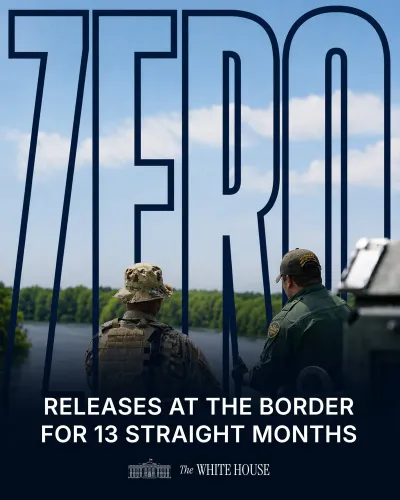
A video posted by The White House on Friday, July 31, 2026 frames America's southern border transformation as a direct consequence of President Donald Trump's immigration enforcement policies — and lays the blame for prior conditions squarely on what it calls 'radical left-wing globalist policies.'
The claim at the border's edge
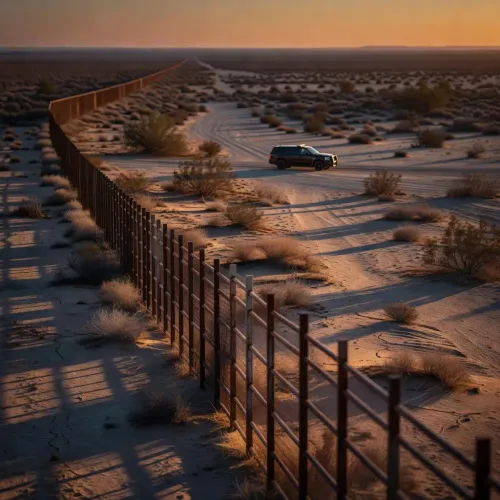
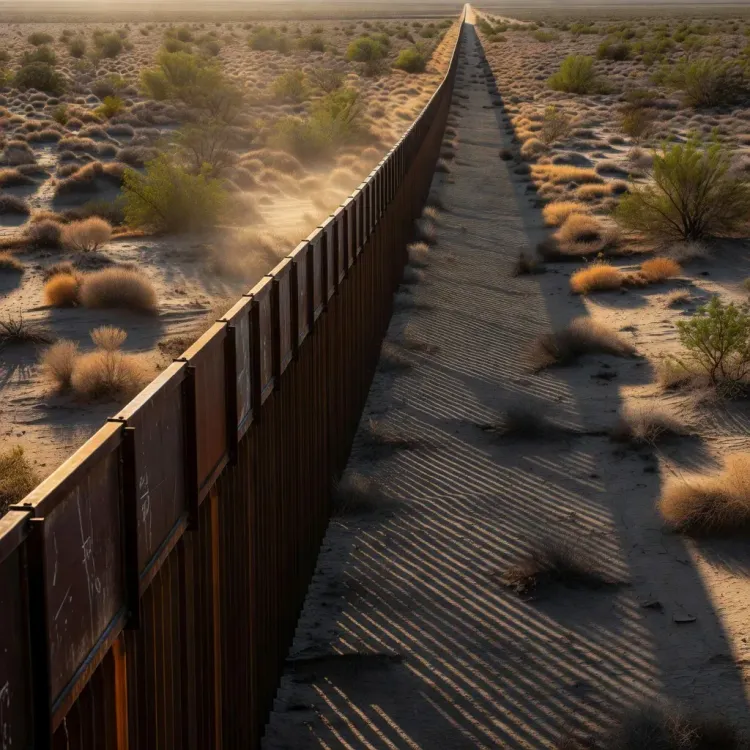
The post states plainly: 'If not for President Trump, America's borders would still look like this' — accompanied by a video intended to illustrate the consequences of mass migration. The White House characterises the imagery as 'a stark reminder' of what it describes as the result of the opposing party's governing philosophy. No specific statistics or policy citations accompany the post itself.
How the border became America's sharpest political fault line
The U.S. southern border with Mexico has been the single most contested terrain in American immigration politics for decades. Under Trump's first term, the administration launched the Migrant Protection Protocols in 2019 — commonly known as 'Remain in Mexico' — requiring asylum seekers to wait on the Mexican side of the border while their U.S. immigration hearings proceeded. It was one of the most aggressive reconfigurations of asylum processing in modern American history.
When the Biden administration took office in 2021, it paused border wall construction and eventually terminated the Remain in Mexico policy, pivoting toward expanded legal pathways and humanitarian processing. Encounter numbers at the southwest border surged through the Biden years, becoming a defining political liability. The swing between the two approaches has been stark enough that border policy now functions less as a shared governance challenge and more as a partisan identity marker.
The pattern behind the post
What The White House is doing here follows a well-worn playbook: tying visible border conditions directly to the previous administration's policy choices, and positioning the current president as the corrective force. The framing — 'if not for Trump' — is a before-and-after argument, one that sidesteps the structural, demographic, and regional drivers of migration in favour of a clean cause-and-effect narrative. Border communities and asylum seekers, the two groups most directly affected, rarely appear in that framing except as backdrop.
Congressional action on border security funding and asylum processing rules in the 2027 fiscal year appropriations cycle will be the next real test of whether the administration's claimed gains are locked in legislatively or remain executive-order-dependent.
The border has always been America's most unforgiving political mirror — and in 2026, The White House is making sure everyone looks into it.
Point of View
Multi-driver crisis into a single-cause narrative tied to presidential party control. This framing has intensified since the Biden-era border surge gave Republicans a durable electoral weapon, and Trump's return to office has made that weapon central to White House communications strategy. The post's combative language — 'radical left-wing globalist' — signals this is as much about mobilising a base as informing the public. Whether the administration can translate rhetorical wins into durable legislative border policy will define the longer arc of this term.
NationPress
15 Sept 2026
Frequently Asked Questions
What did The White House post about the US border on July 31 2026?
The White House posted a video claiming that without President Trump's policies, the US border would still be in the chaotic state it was under what the post calls 'radical left-wing globalist policies.'
What is the Remain in Mexico policy and when was it introduced?
The Migrant Protection Protocols, known as 'Remain in Mexico,' were introduced in 2019 under Trump's first term. They required asylum seekers to wait in Mexico while their US immigration hearings were processed, and were later terminated by the Biden administration in 2021.
How did Biden change US border policy after Trump?
The Biden administration paused border wall construction in 2021 and terminated the Remain in Mexico policy, shifting toward expanded legal pathways and humanitarian processing — a reversal that Republicans blamed for a surge in border encounters.
What is Trump's approach to US immigration enforcement?
Trump's administrations have prioritised physical barriers, expedited removals, and protocols requiring asylum seekers to wait outside the US, in contrast to Democratic administrations that emphasised legal pathways and humanitarian processing.
What comes next for US border policy in 2026?
The key legislative test will be Congressional action on border security funding and asylum processing rules in the 2027 fiscal year appropriations cycle, which will determine whether current enforcement gains are codified into law.