White House Blames Biden for Border Crisis, Touts Trump Action
Synopsis
The White House on July 6, 2026, accused the Biden administration of causing an illegal immigration crisis through 'open border' policies, crediting President Trump with decisive corrective action. The post reignites a long-running partisan divide over U.S.-Mexico border enforcement that has shaped American politics since Trump's first term.
Key Takeaways
The White House posted on July 6, 2026 , calling the Biden administration's border approach an 'open border disaster.' The post credits President Trump with taking 'decisive action to secure the border' and reversing failed policies.
The U.S.-Mexico border spans approximately 2,000 miles and has been the focus of sharply contrasting enforcement strategies across administrations.
The Biden administration in 2021 halted border wall construction and paused deportations, reversing key Trump first-term measures.
Customs and Border Protection recorded historically high encounter numbers by 2023 , fuelling congressional funding battles.
Congressional negotiations over border supplemental funding and new executive orders on asylum processing remain ongoing pressure points.
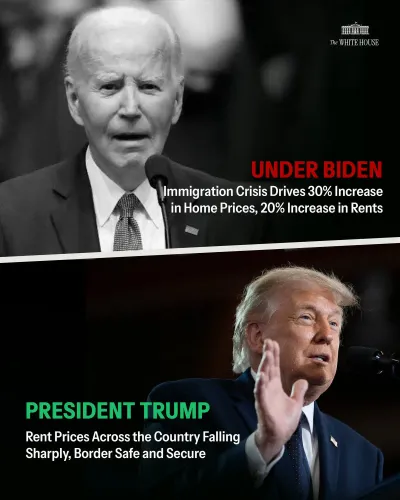
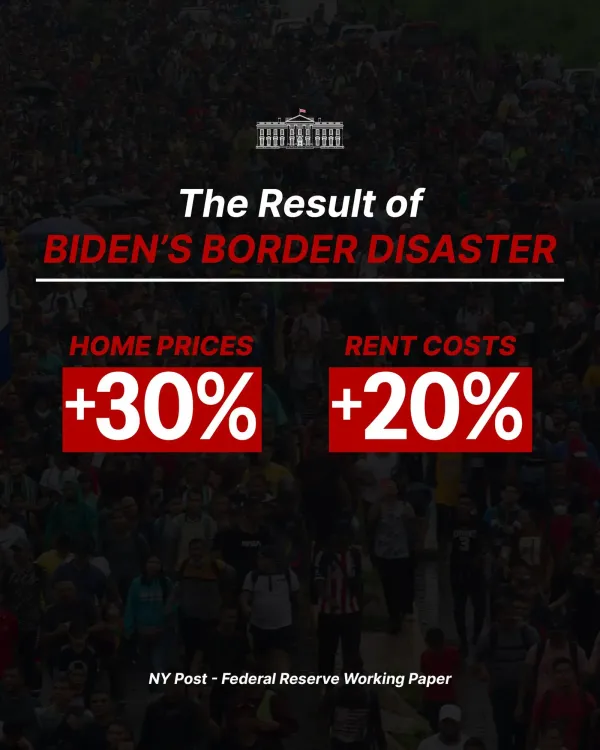
The White House, the official communications account of the Executive Office of the President of the United States, on Monday, July 6, 2026, sharply criticised the Biden administration's immigration policies, calling them an 'open border disaster' that triggered an illegal immigration crisis and 'crushed hardworking Americans.'
Context
The post states that the Biden administration's approach to the southern border constituted an 'entirely avoidable failure' that 'dimmed the promise of the American Dream.' It credits President Donald Trump with taking 'decisive action to secure the border' and reverse what it describes as failed policies. The message is accompanied by a link, suggesting a longer statement or policy document.
The framing reflects a sustained line of partisan messaging from the Trump White House, which has consistently positioned its immigration enforcement posture in direct contrast to that of its predecessor.
Policy Backdrop
The U.S.-Mexico border, an approximately 2,000-mile international boundary, has been the central theatre of American immigration policy disputes for decades. When President Biden took office in January 2021, his administration issued a 100-day pause on deportations and halted new border wall construction — moves that reversed several signature Trump first-term measures.
During Trump's first term (2017–2021), executive orders directed construction of a border wall and expanded interior enforcement. The Migrant Protection Protocols — commonly known as 'Remain in Mexico' — required asylum seekers to wait in Mexico for their U.S. court hearings. That programme was terminated by the Biden administration before facing court challenges that led to a partial reinstatement.
By 2023, U.S. Customs and Border Protection (CBP) reported record encounter numbers along the southern border, prompting a contentious congressional debate over supplemental border funding that remained unresolved through much of that year.
Stakeholders and Impact
Border communities on both sides of the U.S.-Mexico line have borne the most direct operational consequences of shifting federal policies — from surges in migrant arrivals to fluctuating levels of federal law-enforcement presence. American workers, particularly in sectors such as construction, hospitality, and agriculture, are frequently cited in the political debate over labour-market effects of undocumented migration.
Advocacy groups on both sides of the issue contest the framing: immigration-rights organisations argue that restrictive policies cause humanitarian harm, while enforcement-focused groups contend that lax border management depresses wages and strains public services. The White House post aligns firmly with the latter view.
What's Next
Congressional negotiations over border supplemental funding and potential new executive orders on asylum processing or parole programmes remain active pressure points. The Trump administration is expected to continue using executive authority to tighten enforcement, while legal challenges from advocacy groups and Democratic-led states are likely to continue in federal courts.
The broader pattern of alternating executive actions tied to changes in administration suggests that immigration enforcement will remain a defining political battleground through the remainder of Trump's second term, with each regulatory move likely to be contested both in Congress and the judiciary.
Point of View
' the Trump White House is not merely making a policy argument but constructing a political narrative around competence and national promise. This fits a broader pattern in which immigration has served as the sharpest ideological dividing line of the Trump political project since 2015. The forward momentum of executive action on the border, combined with likely legal challenges, means this messaging will need to be sustained by concrete enforcement metrics to retain credibility with the administration's core constituency.
NationPress
5 Oct 2026
Frequently Asked Questions
What did the White House say about Biden's immigration policy?
The White House on July 6, 2026, called the Biden administration's approach an 'open border disaster' that triggered an illegal immigration crisis and 'crushed hardworking Americans,' describing it as an 'entirely avoidable failure.'
What actions has President Trump taken on the US-Mexico border?
The White House credited President Trump with taking 'decisive action to secure the border' and reversing what it described as the Biden administration's failed immigration policies, though specific measures referenced in the July 2026 post require the linked document for full detail.
What was Biden's immigration policy at the US border?
The Biden administration in January 2021 halted new border wall construction, issued a 100-day deportation pause, and terminated the Migrant Protection Protocols, reversing several Trump first-term enforcement measures.
What is the Remain in Mexico policy?
The Migrant Protection Protocols, known as 'Remain in Mexico,' were a Trump-era programme requiring asylum seekers to wait in Mexico for their U.S. immigration court hearings. The Biden administration terminated the programme, which then faced court challenges leading to a partial reinstatement.
Why is US border security important for American workers?
Proponents of stricter enforcement argue that high levels of undocumented migration can depress wages and strain public services in sectors such as construction, hospitality, and agriculture, making border policy directly relevant to labour-market conditions for American workers.