White House Says Trump Is Fixing Biden's Border Crisis
Synopsis
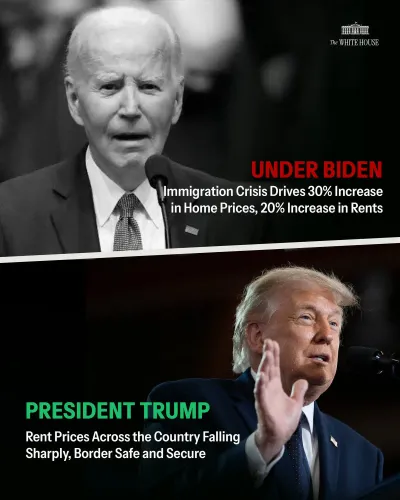
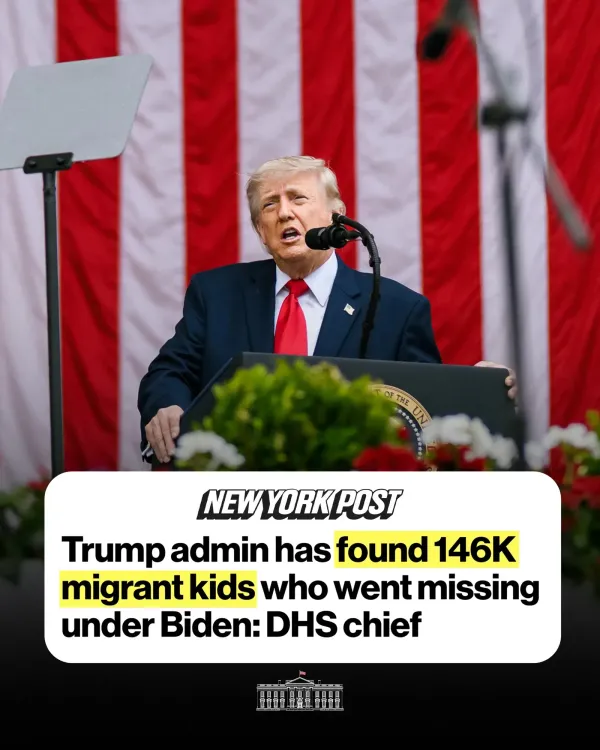
The White House posted on X on 13 June 2026 asserting that Biden-era immigration policies created a humanitarian crisis at the southern border and that the Trump administration is actively working to resolve it, reigniting a long-running partisan debate over U.S. border enforcement.
Key Takeaways
The White House posted on 13 June 2026 blaming Biden-era immigration policies for a humanitarian crisis at the southern border.
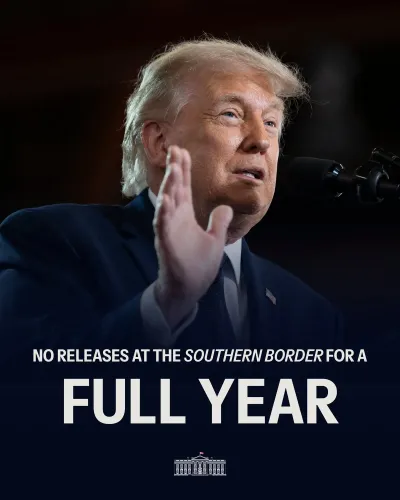
The post claims the Trump administration is actively 'fixing' the situation, framing it as a direct policy correction.
Biden halted border wall construction and ended the Remain in Mexico programme via executive orders in January 2021 .
CBP data through 2023 recorded multi-year increases in southwest land-border encounters during the Biden years.
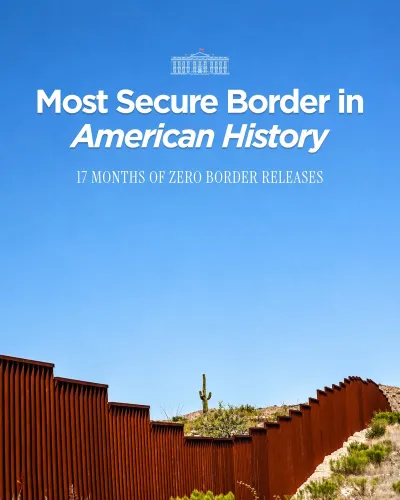
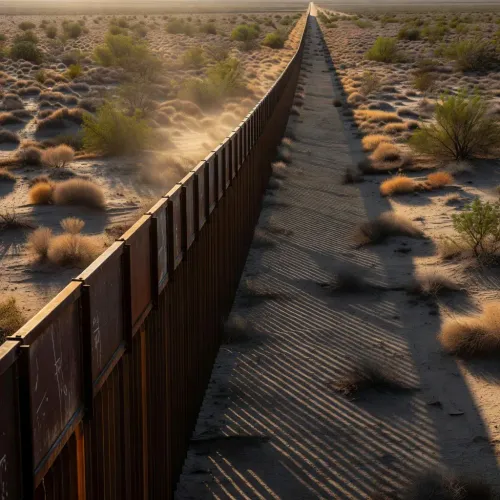
The U.S.-Mexico border spans roughly 2,000 miles and has been subject to sharp policy reversals with each presidential transition.
Congressional action on border infrastructure funding and new executive orders will determine how the administration's stated position translates into policy.
The White House, the official communications account of the Executive Office of the President of the United States, posted on X on Friday, 13 June 2026, asserting that the Biden administration created a humanitarian crisis at the southern border and that the Trump administration is actively working to resolve it.
Context
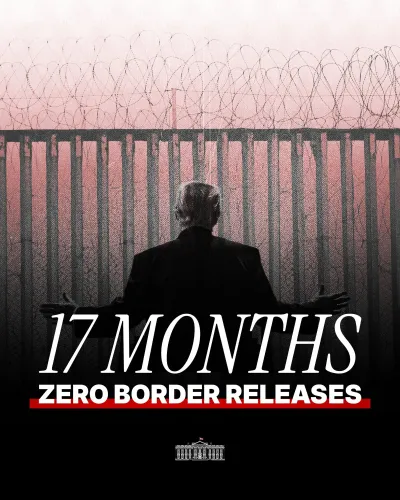
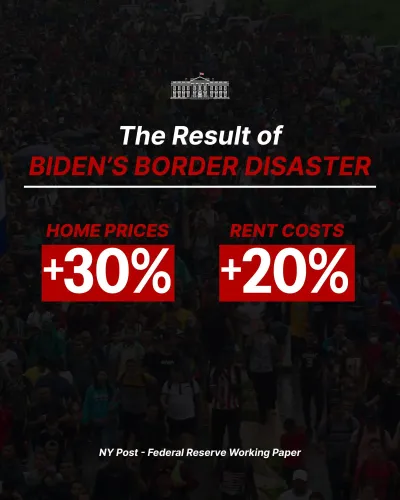
The post states: 'Biden's border disaster created a humanitarian crisis. The Trump administration is fixing it.' The message is a direct political framing of U.S. immigration policy, contrasting the approach of President Joe Biden (2021–2025) with that of President Donald Trump, who returned to the White House following the 2024 presidential election.
Under the Biden administration, a series of executive orders issued in early 2021 halted border wall construction and ended the Migrant Protection Protocols — commonly known as the Remain in Mexico programme — which had required asylum seekers to wait in Mexico while their U.S. cases were processed. Official data from U.S. Customs and Border Protection (CBP) documented multi-year increases in southwest land-border encounters through 2023.
Policy Backdrop
U.S. immigration enforcement has alternated sharply with presidential transitions, producing cycles of expanded infrastructure and restrictions followed by pauses or reversals. During Trump's first term (2017–2021), the administration prioritised border wall construction, expanded the Migrant Protection Protocols in 2019, and tightened interior enforcement.
When Biden took office in January 2021, executive orders reversed many of those measures. Critics of the Biden-era policies, including Republican lawmakers and border-state officials, repeatedly cited rising encounter numbers as evidence of a breakdown in border management. Supporters of the Biden approach argued it restored humanitarian protections for asylum seekers and complied with domestic and international legal obligations.
The U.S.-Mexico border stretches roughly 2,000 miles and has been the focal point of repeated legislative and executive battles over migration, asylum processing, and physical infrastructure funding.
Stakeholders and Impact
Border communities on both sides of the U.S.-Mexico line have borne the most immediate consequences of shifting enforcement postures — ranging from resource strain during high-encounter periods to economic disruption when crossing infrastructure is tightened. CBP personnel have operated under changing mandates with each administration, affecting staffing, detention capacity, and processing protocols.
Asylum seekers, many arriving from Central America, Venezuela, Cuba, and Haiti, represent a significant stakeholder group whose legal pathways and physical safety are directly shaped by which enforcement framework is in place. Humanitarian organisations have consistently called for stable, predictable asylum adjudication processes regardless of the political cycle.
What's Next
The White House post signals that the Trump administration intends to keep border policy at the centre of its governance narrative. Congressional action on funding for border infrastructure and any new executive orders on enforcement priorities will be closely watched as indicators of how the administration translates this messaging into concrete policy.
Broader immigration reform — including a legislative pathway for asylum processing and border security funding — has stalled repeatedly in Congress across multiple administrations. Whether the current political moment produces durable statutory change, or another cycle of executive action and reversal, remains the defining question for U.S. border governance in the months ahead.
Point of View
A cycle that has produced policy whiplash at the southern border for over two decades. For Indian observers, the post is significant because U.S. immigration enforcement directly affects Indian nationals in the asylum and visa pipeline, and the policy direction signals how the administration will approach broader migration diplomacy. The durability of any 'fix' will ultimately depend on whether the Trump administration can secure congressional backing for structural reform rather than relying solely on executive action.
NationPress
28 Oct 2026
Frequently Asked Questions
What did the White House say about Biden's border policy?
The White House posted on X on 13 June 2026 stating that 'Biden's border disaster created a humanitarian crisis' and that the Trump administration is fixing it, directly blaming Biden-era executive orders for deteriorating conditions at the U.S.-Mexico border.
What immigration policies did Biden change when he took office?
In January 2021, President Biden issued executive orders halting border wall construction and ending the Migrant Protection Protocols (Remain in Mexico programme), which had required asylum seekers to wait in Mexico while their U.S. cases were adjudicated.
What is the Remain in Mexico programme?
The Migrant Protection Protocols, known as Remain in Mexico, was a Trump-era policy launched in 2019 that required non-Mexican asylum seekers arriving at the U.S. southern border to wait in Mexico while their immigration cases were processed in U.S. courts.
How has U.S. border enforcement changed under Trump's return?
The White House has indicated the Trump administration is reversing Biden-era immigration policies, though specific legislative or executive measures introduced after January 2025 are still unfolding; Congressional funding and new executive orders are the key mechanisms being watched.
How does U.S. border policy affect Indians?
Thousands of Indian nationals are part of the U.S. asylum and immigration pipeline; shifts in enforcement policy, processing timelines, and detention protocols directly affect their legal status, wait times, and safety at the U.S.-Mexico border.