White House: Venezuela Oil Shipment Lands in Texas, Trump Claims Win
Synopsis
The White House announced the first Venezuelan crude shipment under a Trump-era deal docked at Corpus Christi, Texas, on October 27, 2026. The administration says the oil will be refined domestically to boost supply and lower gasoline prices for American drivers.
Key Takeaways
The first shipment under what the White House calls a 'historic Venezuela oil deal' arrived at Corpus Christi, Texas on October 27, 2026 .
President Trump is credited by the White House with securing the arrangement to bring Venezuelan crude into the U.S. market.
The administration claims the oil will be refined domestically, increasing supply and lowering prices at the pump for American consumers.
Corpus Christi is a major Gulf Coast refining hub with infrastructure suited to processing Venezuela's heavy crude grades.
The Trump administration had previously sanctioned Venezuelan oil exports starting in 2019 , making this shipment a sharp policy reversal.
The volume and frequency of future shipments will determine whether the deal delivers a measurable impact on U.S. gasoline retail prices.
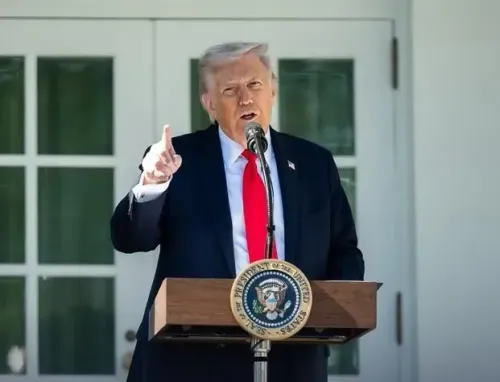
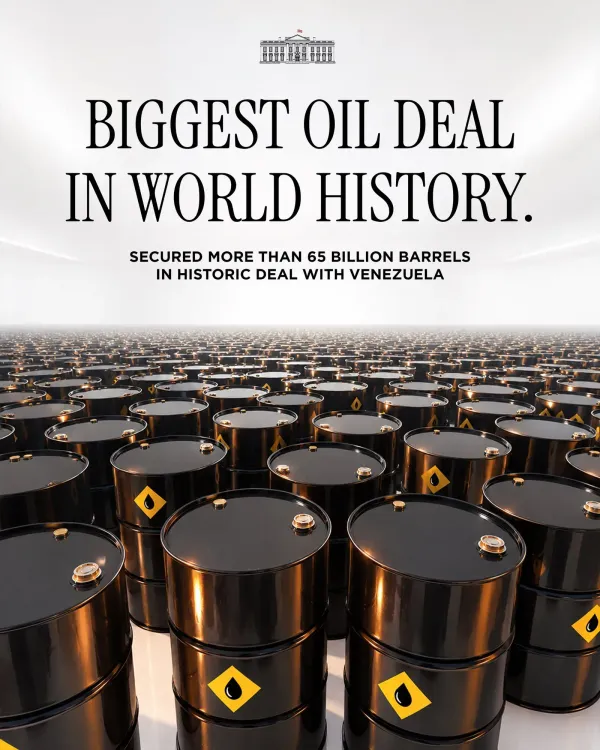
A tanker carrying Venezuelan crude docked at Corpus Christi, Texas, on Wednesday, October 27, 2026 — and the White House wasted no time declaring it a landmark moment for American energy policy. The official White House account announced the arrival as the first delivery under what it described as a 'historic Venezuela oil deal,' crediting President Donald Trump with engineering an arrangement that would send foreign oil straight into U.S. refineries to lower prices at the pump.
What the White House is claiming — and why it matters
The announcement framed the shipment in unmistakably political terms: the oil 'will belong to America and will be refined at home,' the post stated, positioning the deal as a direct line from diplomatic manoeuvre to cheaper fill-ups for U.S. drivers. The emphasis on domestic refining is deliberate — Gulf Coast infrastructure, of which Corpus Christi is a major hub, is built to process heavy crude grades that Venezuelan fields produce, making the port a logical destination.
The broader argument is straightforward: more crude into domestic refineries means more refined product supply, and more supply — in theory — pushes retail gasoline prices down. The White House is explicitly making that cause-and-effect case public, betting that drivers notice it at the forecourt.
The long, tangled road from sanctions to shipment
The backdrop to this announcement is years of whiplash U.S. policy toward Venezuelan oil. The Trump administration's first term imposed sweeping sanctions on Venezuela's state oil sector starting in 2019, via executive order, with the stated goal of cutting revenue to President Nicolás Maduro's government. Those sanctions effectively locked Venezuelan barrels out of the American market for years, forcing Caracas to redirect exports to buyers in Asia.
U.S. policy since has oscillated — limited sanction waivers were granted at various points when global supply tightened and domestic fuel prices became a political liability. Each resumption of Venezuelan imports has been framed, by whichever administration pursued it, as a lever to pull domestic prices downward. The pattern is consistent: Venezuelan oil re-enters the American picture when the politics of gasoline costs demand a visible response.
Corpus Christi: the refining gateway that makes this work
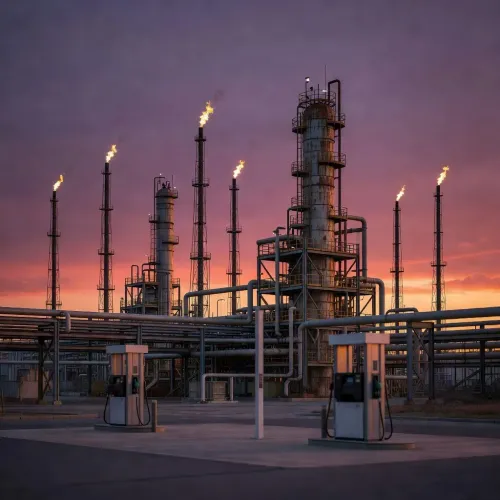
Corpus Christi has grown into one of the United States' most strategically significant energy export and import hubs, with pipeline connections running deep into the Texas refining belt. Its infrastructure is particularly well-suited to processing the heavy, sulphur-rich crude that Venezuela's Orinoco basin produces — crude that lighter shale-focused refineries elsewhere in the country are less equipped to handle. Routing the shipment here is as much a logistical choice as a political symbol.
The question the pump price will answer
One shipment does not a trend make. The real test of this deal's impact on American consumers lies in the volume and regularity of subsequent deliveries — and whether those barrels translate into a measurable dip in retail gasoline prices that ordinary drivers can actually feel. The White House has now staked a claim; the forecourt price boards across America will either confirm or complicate it.
Point of View
Refined at home, cheaper for you.' By routing the first shipment through the symbolically resonant port of Corpus Christi and tying the arrival directly to presidential leadership, the administration is packaging an energy-supply move as a cost-of-living win ahead of what remains a politically sensitive gasoline-price environment. The deeper irony is structural: it was the Trump administration's own 2019 sanctions that locked Venezuelan barrels out of the U.S. market, meaning this deal is, in part, a reversal of its own earlier policy — though the White House framing conspicuously omits that lineage. Whether one shipment moves the needle on pump prices is an empirical question the markets will answer; whether the announcement moves political opinion is the bet the White House is actually making.
NationPress
28 Oct 2026
Frequently Asked Questions
What is the Venezuela oil deal announced by the White House?
The White House announced an arrangement under which Venezuelan crude oil is being shipped directly to the United States for domestic refining, with the stated aim of increasing supply and lowering gasoline prices for American consumers. The first shipment arrived at Corpus Christi, Texas, on October 27, 2026.
Why was Venezuelan oil banned in the US before this deal?
The Trump administration imposed sanctions on Venezuelan oil exports via executive order in 2019, targeting the revenue stream of President Nicolás Maduro's government. Those sanctions effectively barred Venezuelan crude from the American market for years.
Will this Venezuelan oil shipment lower gas prices in the US?
The White House claims the increased domestic supply from Venezuelan crude will lower pump prices, but the impact depends on the volume and regularity of future shipments. A single cargo is unlikely to move retail gasoline prices on its own.
Why did the Venezuela oil shipment go to Corpus Christi, Texas?
Corpus Christi is one of the United States' largest energy port and refining hubs, with refinery infrastructure particularly suited to processing the heavy crude grades that Venezuela produces, making it a logical and strategically appropriate destination.
What does Trump's Venezuela oil deal mean for US energy policy?
The deal signals a significant shift, with the administration reversing its own 2019 sanctions posture to bring Venezuelan oil back into the U.S. supply chain. It fits a broader pattern in which U.S. policy toward Venezuelan exports alternates between restriction and re-engagement depending on domestic energy-price pressures.