Trump calls Venezuela key US partner, cites 10M barrels since January
Synopsis
In a striking pivot, Trump publicly declared Venezuela a strategic US partner at a Cabinet meeting, claiming over 10 million barrels of Venezuelan oil have reached America since January — with revenues audited by KPMG and monitored by the Treasury. It is the most explicit signal yet of a fundamental US policy reversal toward Caracas after years of sanctions.
Key Takeaways
President Trump called Venezuela an emerging strategic partner of the United States on 27 May during a White House Cabinet meeting .
More than 10 million barrels of Venezuelan oil have been delivered to the US since 3 January , according to Trump.
Venezuelan oil revenues are reportedly deposited in US accounts monitored by the Treasury Department and audited by KPMG .
Secretary of Defense Pete Hegseth described Venezuela as central to US regional security and energy strategy, noting a US Southern Command presence at the American embassy in Caracas.
Interior Secretary Doug Burgum said Venezuelan crude flowing to US Gulf Coast refineries is helping stabilise domestic petrol prices.
Trump contrasted the Venezuela engagement with a hardline stance on Cuba , signalling a differentiated Western Hemisphere policy.
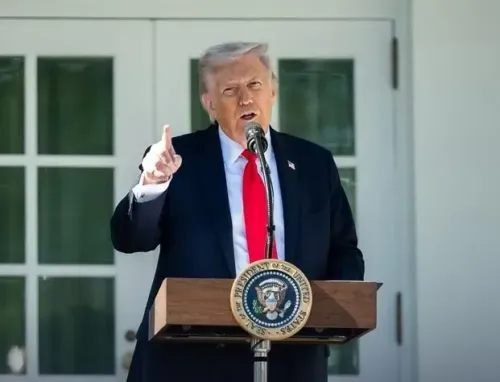
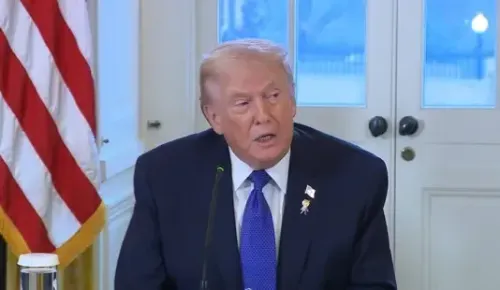
President Donald Trump on Wednesday, 27 May described Venezuela as an emerging strategic partner of the United States, saying the South American nation was rapidly becoming a major energy supplier to America after years of sanctions and strained diplomatic ties. The remarks, made during a Cabinet meeting at the White House, mark one of the most explicit public endorsements of a Venezuela policy shift by the Trump administration.
Key Developments
Trump said Venezuela was moving through a 'three-phase process' of 'stabilisation, recovery and transition', and claimed that more than 10 million barrels of Venezuelan oil had been delivered to the United States since 3 January. He added that major companies were beginning to return to Venezuela's energy sector, predicting the country would become 'amazing' because of its natural resources.
According to Trump, revenues from Venezuelan oil sales are being deposited into accounts in the United States, monitored by the Treasury Department and audited by KPMG. 'For the first time ever, the money is not being stolen,' Trump said. 'It's going to the benefit of the Venezuelan people.'
What the Administration Said
Secretary of Defense Pete Hegseth described Venezuela as an important partner in Washington's regional security and energy strategy. 'Venezuela is a big part of securing our energy future and defending the homeland,' Hegseth said. He added that US Southern Command had recently landed 'peacefully' at the American embassy in Venezuela, framing the engagement as part of a broader effort to counter cartels and stabilise the Western Hemisphere.
Interior Secretary Doug Burgum said Venezuelan crude flowing to refineries on the US Gulf Coast was helping stabilise petrol prices, crediting Trump's 'energy dominance strategy' for boosting revenues, increasing lease sales, and expanding drilling operations across public lands. 'The centre of geopolitics around energy has moved from other parts of the world to the Western Hemisphere,' Burgum said.
Energy Claims and Context
Trump linked Venezuela's oil production to global energy stability amid tensions involving Iran and the Strait of Hormuz, arguing that expanded output from the US and Venezuela would help lower fuel prices worldwide. 'We have more oil now being produced by double, by two times than Russia and Saudi Arabia combined,' Trump claimed — a figure that could not be independently verified from the Cabinet meeting remarks alone.
Notably, Venezuela holds some of the world's largest proven oil reserves, but years of sanctions, political instability, and economic collapse have sharply reduced production and exports. The country has increasingly become a focal point of geopolitical competition over energy supplies and regional influence in Latin America.
Cuba Contrast and Broader Regional Policy
Trump contrasted his administration's Venezuela engagement with its stance on Cuba, which he described as 'run by a bunch of incompetent communists'. He said Washington remained concerned about instability in Cuba due to its proximity to the United States, underscoring a differentiated approach to the two historically sanctioned nations in the Western Hemisphere.
What Happens Next
The administration's framing signals a continued deepening of energy and security ties with Caracas, with officials suggesting further investment by major energy companies is anticipated. Critics and regional analysts are likely to scrutinise the oversight mechanisms — particularly the Treasury-monitored accounts and KPMG audit arrangement — as the policy faces congressional and diplomatic scrutiny in the months ahead.
Point of View
But the details of that arrangement remain unverified outside administration statements. The deeper irony is that Washington is now positioning the Maduro-era oil infrastructure — long the target of its own sanctions — as a pillar of American energy dominance. Whether this holds under congressional pressure, or collapses the moment a shipment dispute arises, will define whether this is a genuine strategic realignment or a transactional energy deal dressed up as foreign policy.
NationPress
22 Sept 2026
Frequently Asked Questions
Why is Trump calling Venezuela a US strategic partner?
Trump has framed Venezuela as a strategic partner primarily because of its role as an emerging energy supplier, with over 10 million barrels of Venezuelan oil delivered to the US since January 2025. The administration argues that US oversight of oil revenues and a phased stabilisation process justify the diplomatic shift after years of sanctions.
How is Venezuelan oil revenue being managed under this arrangement?
According to Trump, revenues from Venezuelan oil sales are deposited into US-based accounts monitored by the Treasury Department and independently audited by KPMG. The administration claims this prevents corruption and ensures proceeds benefit the Venezuelan people, though these arrangements have not been independently confirmed beyond Cabinet meeting statements.
What role does Pete Hegseth say Venezuela plays in US security?
Secretary of Defense Pete Hegseth described Venezuela as a key partner in US regional security and energy strategy, saying it is 'a big part of securing our energy future and defending the homeland.' He also noted that US Southern Command had recently established a presence at the American embassy in Venezuela as part of counter-cartel and hemispheric stabilisation efforts.
How does this mark a shift from previous US policy on Venezuela?
For years, the United States imposed sweeping sanctions on Venezuela over democratic backsliding and human rights concerns, which severely curtailed its oil exports and isolated Caracas diplomatically. The Trump administration's current posture — describing Venezuela as a partner and allowing oil flows monitored by US agencies — represents a significant reversal of that sanctions-led approach.
What is Venezuela's oil production capacity?
Venezuela holds some of the world's largest proven oil reserves, but years of sanctions, political instability, and economic collapse have sharply reduced its production and export capacity. The Trump administration claims Venezuela's oil industry is now being 'professionalised', though independent assessments of current output levels vary.