US and Venezuela Set to Renew Diplomatic Ties
Synopsis
In a significant diplomatic shift, the US and Venezuela have agreed to restore their diplomatic relations after years of tensions. This move could reshape energy dynamics and international relations in the region.
Key Takeaways
Restoration of Diplomatic Relations: The US and Venezuela are set to re-establish diplomatic ties.
Historical Context: Venezuela had severed relations in 2019 due to US interference.
Military Actions: The US military previously conducted operations against Venezuela.
Energy Policy Shift: Trump promotes a new oil agreement with Venezuela.
Global Energy Implications: The deal could impact global oil markets.
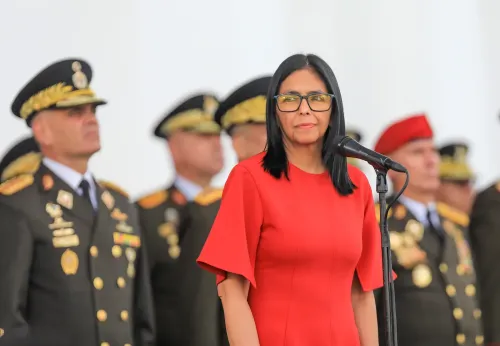
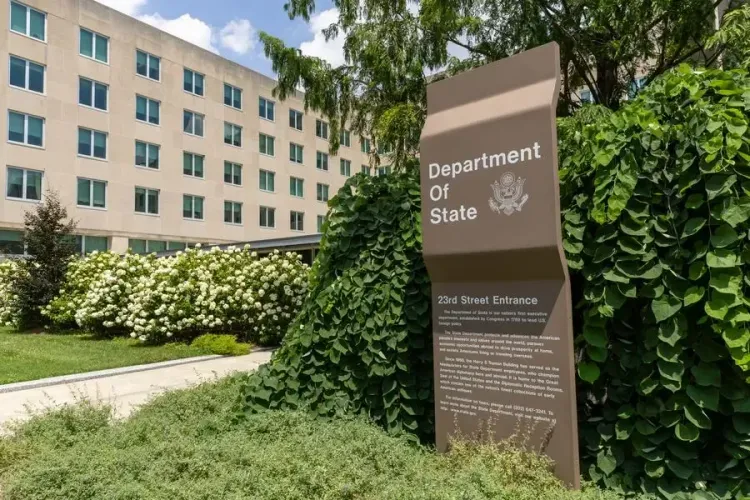
Washington, March 6 (NationPress) The US State Department has declared an agreement between the United States and Venezuela to restore diplomatic and consular relations.
The diplomatic relationship was broken by Venezuela in January 2019, prompted by ongoing interference from the United States in its internal matters. Following this, all US embassy staff in Venezuela evacuated in March of the same year, as reported by Xinhua news agency.
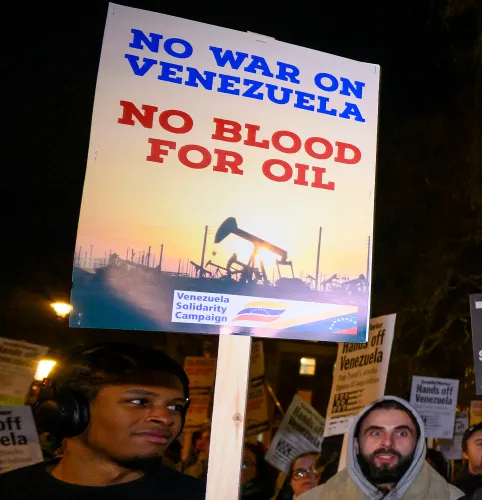
On January 3, US military forces conducted a significant operation against Venezuela, leading to the capture of President Nicolas Maduro and his spouse, who were subsequently transported to the United States.
On January 31, a US diplomatic delegation arrived in Caracas, signifying the renewal of diplomatic interactions between the two nations.
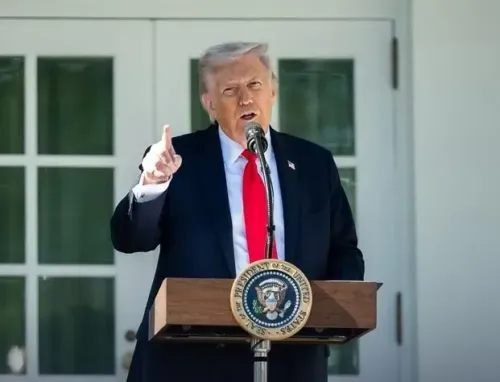
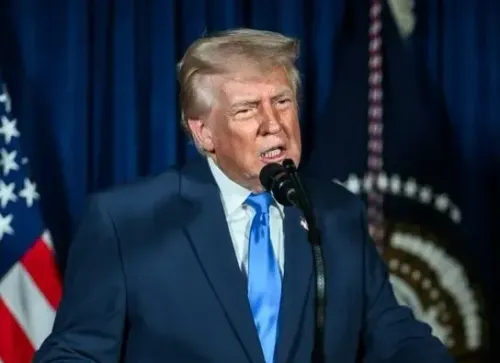
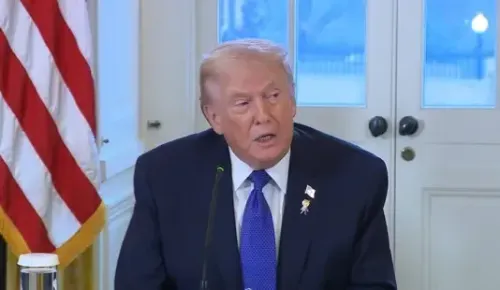
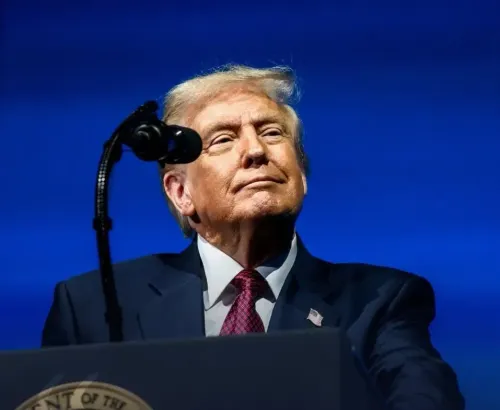
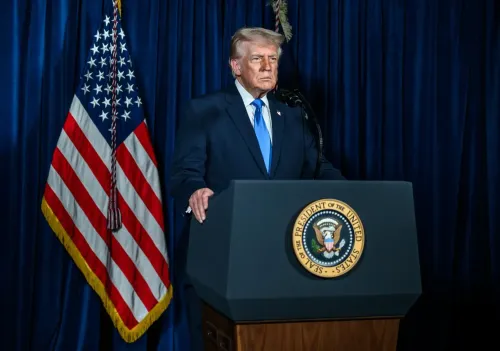
Previously, former US President Donald Trump highlighted a new oil deal with Venezuela during a speech at a prominent Texas export site, asserting that the enhanced refining and export activities from Corpus Christi represented a historic resurgence in American energy.
While addressing the audience at the Port of Corpus Christi, described as “one of the largest energy export hubs in the world,” Trump asserted that his administration had taken decisive actions regarding energy policies. “On my first day, I declared a national energy emergency, lifted the Biden export ban, and urged our dedicated Texas energy workers to simply ‘drill, baby, drill!’”
He claimed that oil production has surged since his return to office, stating, “Since my inauguration, US oil production has increased by 600,000 barrels per day.” He further noted, “Natural gas output is at an all-time high.”
A key point of his address focused on Venezuela. Pointing to a tanker nearby, he remarked, “At this moment, 360,000 barrels of Venezuelan crude are aboard the tanker to my left.” He referred to Caracas as a “new ally” and stated, “For the benefit of both our countries, we will refine their oil right here in America and in Texas, then export it globally.”
Point of View
It's crucial to recognize the significance of the renewed diplomatic relations between the US and Venezuela. This development not only marks a critical shift in foreign policy but also has the potential to reshape the energy landscape and bilateral relations moving forward.
NationPress
2 Oct 2026
Frequently Asked Questions
Why did Venezuela sever ties with the US?
Venezuela cut diplomatic relations with the US in January 2019 due to perceived interference in its internal affairs.
What recent actions were taken by the US military regarding Venezuela?
In January, US military forces launched a strike against Venezuela, capturing President Maduro and his wife.
What did Trump say about the US energy policy?
Trump emphasized that his administration has promoted a national energy emergency and increased oil production significantly.
How does this agreement impact oil trade?
The US plans to refine Venezuelan oil in Texas and export it globally, enhancing bilateral trade.
What does this mean for US-Venezuela relations?
The resumption of diplomatic ties indicates a potential thaw in relations and increased cooperation on energy.