Akhilesh alleges assault on SP's MLC candidate in Agra, demands EC action
Synopsis
SP president Akhilesh Yadav has alleged that BJP workers physically mistreated his party's winning MLC candidate Aakash Aggarwal in Agra, demanding immediate action from the Election Commission, Supreme Court, UP administration, and President Droupadi Murmu.
Key Takeaways
Akhilesh Yadav alleged on 28 October 2026 that BJP workers mistreated SP's MLC candidate Aakash Aggarwal in Agra during the UP Legislative Council election.
Akhilesh described the candidate as 'winning' at the time of the alleged incident, implying deliberate disruption of the result.
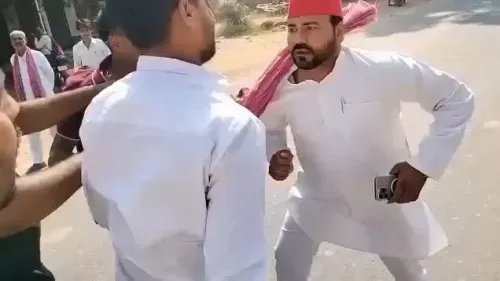
He posted a video on X alongside the allegation, presenting it as evidence of the misconduct.
Akhilesh simultaneously demanded action from four bodies: the Election Commission of India , the district administration, the Supreme Court of India , and President Droupadi Murmu .
MLC elections in UP are indirect contests decided by local body members, making them historically susceptible to pressure and intimidation.
The SP has been the principal opposition in UP since 2022 , with repeated electoral-conduct clashes against the BJP-led state government.
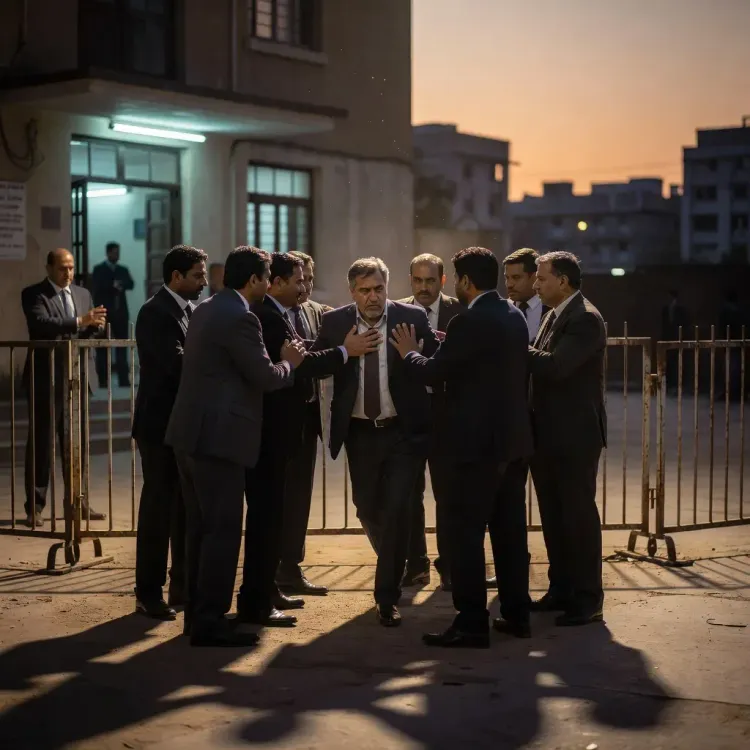
A sitting MLC election in Agra has erupted into a flashpoint between the Samajwadi Party and the BJP — with SP president Akhilesh Yadav alleging on Wednesday, 28 October 2026 that his party's Legislative Council candidate was physically mistreated by BJP workers as he stood on the verge of victory.
In a sharp post on X, Akhilesh issued a direct challenge: 'ab BJP khud hi bataye ki Agra se jeetate hue SP ke MLC pratiyashi Shri Aakash Aggarwal ji ke saath uske logon dwara kiya gaya yeh vyavahaar kitna jaayaz hai' — ('let the BJP itself explain how the treatment meted out by its people to our winning MLC candidate Aakash Aggarwal from Agra can possibly be justified'). He followed with an urgent four-way appeal: to the Election Commission of India, to the district administration, to the Supreme Court of India, and to President Droupadi Murmu — asking each to take immediate cognizance.
The Agra MLC seat and what Akhilesh is alleging
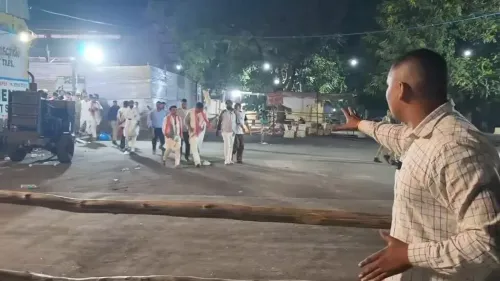
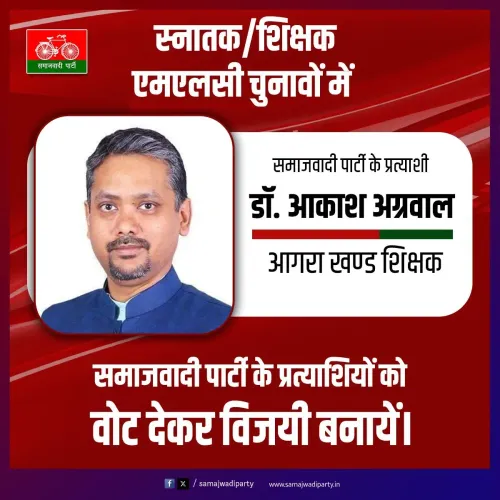
Aakash Aggarwal is the SP's named candidate for the Agra constituency in the Uttar Pradesh Legislative Council elections. Akhilesh's framing is pointed: the alleged misconduct happened not to a trailing candidate but to one he describes as 'winning' — implying an attempt to disrupt or intimidate at a decisive moment. A video posted alongside the message, though its specific contents cannot be independently verified from available information, is clearly intended as evidence supporting the allegation.
MLC elections in Uttar Pradesh are indirect contests — determined by votes cast by elected local body members — which historically makes them vulnerable to pressure, inducement, and physical intimidation. The SP has been the principal opposition in the state since 2022, contesting every major electoral cycle against the BJP-led government.
Why Akhilesh escalated directly to the Supreme Court and Rashtrapati Bhavan
Invoking the Supreme Court and the President of India in the same breath as the Election Commission is a deliberate escalation — a signal that the party regards the local administration and state-level oversight as compromised. Indian opposition parties have used this playbook before in UP, petitioning higher constitutional authorities when they believe a state government controls the administrative machinery on the ground.
The Election Commission of India holds constitutional powers to superintend, direct, and control all elections, including those to state legislative councils. A formal complaint backed by video evidence, if filed, would obligate the Commission to respond. Whether the Supreme Court takes suo motu cognizance — or waits for a formal petition — will be the clearest indicator of how seriously the allegation is being treated.
SP–BJP clashes over electoral conduct in UP: a recurring pattern
This is not an isolated charge. Since the 2022 Uttar Pradesh assembly elections, the SP and BJP have traded accusations over booth management, voter intimidation, and administrative partiality in every major cycle — from urban local body polls to Rajya Sabha and now MLC contests. Each such episode sharpens the broader narrative both parties are building for the next state election, still some years away but already casting a long shadow over every intermediate contest.
What makes this moment different is the specific demand: Akhilesh is not asking for an inquiry — he is asking the BJP to justify the conduct publicly, and simultaneously triggering the highest constitutional forums. That dual track — political shaming plus institutional escalation — is a message aimed as much at undecided voters as at adjudicating bodies.
Whether the Election Commission wakes up to the charge, as Akhilesh pointedly urged, will determine if this becomes a landmark intervention — or one more allegation that fades without a ruling.
Point of View
The Supreme Court, and the President signals a deliberate constitutional escalation — not just a routine complaint. By framing the alleged assault as occurring while his candidate was 'winning,' he is building a narrative of stolen mandates that resonates strongly with SP's core voter base in western UP. The move also tests the Election Commission's credibility as an independent arbiter ahead of future UP electoral cycles. If no institutional response follows, it will reinforce the opposition's standing argument that oversight bodies are selectively responsive in BJP-governed states.
NationPress
28 Oct 2026
Frequently Asked Questions
Who is Aakash Aggarwal and what is the UP MLC election?
Aakash Aggarwal is the Samajwadi Party's candidate for the Agra constituency in the Uttar Pradesh Legislative Council (MLC) election. The UP Legislative Council is the upper house of the state legislature; its members are elected indirectly by local body representatives, Vidhan Sabha members, and other designated voters, rather than directly by the general public.
What exactly did Akhilesh Yadav allege against the BJP in Agra?
Akhilesh alleged that BJP workers physically mistreated SP's MLC candidate Aakash Aggarwal in Agra at a moment when he was on the verge of winning the seat. He posted a video alongside the allegation and demanded that the BJP publicly justify the conduct of its workers.
Why did Akhilesh Yadav appeal to the Supreme Court and the President?
By escalating to the Supreme Court of India and President Droupadi Murmu alongside the Election Commission , Akhilesh signalled that he considers the local administration and state-level oversight inadequate or compromised. Indian opposition parties often invoke higher constitutional authorities when they believe a state government controls the ground-level machinery.
Can the Election Commission intervene in UP MLC elections?
Yes. The Election Commission of India holds constitutional authority to superintend, direct, and control elections to state legislative councils. A formal complaint supported by video evidence would obligate the Commission to examine the allegation and respond.
What is the history of SP–BJP clashes over UP elections?
Since the 2022 Uttar Pradesh assembly elections , the Samajwadi Party and BJP have repeatedly traded allegations of voter intimidation, booth mismanagement, and administrative partiality — spanning urban local body polls, Rajya Sabha elections, and now MLC contests. Each clash adds to the political narrative both parties are shaping for the next major UP election.