White House Draws Sharp Border Contrast With Democrats
Synopsis
The White House posted a stark partisan contrast on border policy on October 18, 2026, crediting Trump with record-low crossings and zero interior releases while pegging Democratic amnesty proposals at up to $1.9 trillion.
Key Takeaways
The White House posted a direct comparison of Republican and Democratic border positions on October 18, 2026 .
Republicans are credited with 'the most secure border in history' and the first year of zero Border Patrol releases .
Democrats are accused of pushing to reopen the border, end deportations, and grant mass amnesty worth $1.4–$1.9 trillion .
The post references operational CBP metrics to anchor the Republican case; the specific post-2024 figures are not independently verifiable from prior government data.
The message lands amid live Congressional debates over immigration funding and enforcement staffing, amplifying its political stakes.
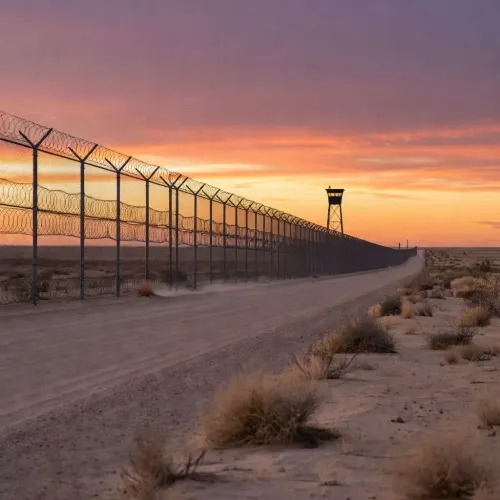
The sharpest line in American politics right now runs along the southern border — and the White House wants every voter to see exactly where each side stands. On Sunday, October 18, 2026, the official White House account posted a blunt, side-by-side comparison of Republican and Democratic positions on immigration enforcement, framing the 2026 political moment as a defining choice on border security.
What the White House is claiming
The post credits Trump and Republicans with delivering 'the most secure border in history,' citing record-low crossings and what it describes as the first year on record with zero Border Patrol releases — meaning no migrants released into the US interior pending immigration proceedings. These are significant operational metrics for federal border enforcement, though the specific figures refer to post-2024 developments not independently verifiable from prior government reporting.
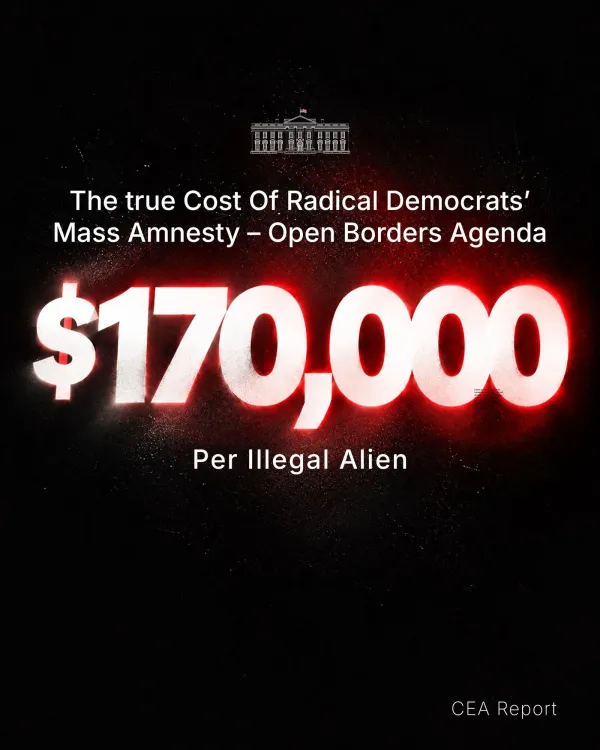
On the other side of the ledger, the post accuses 'Extreme Radical Democrats' of pushing to reopen the border, end mass deportations, and grant mass amnesty — attaching a fiscal price tag of $1.4 to $1.9 trillion to those combined policy proposals. The White House closes with a four-word verdict: 'The contrast is clear.'
The long arc of America's border wars
US immigration enforcement has divided the two parties for decades, but the fault lines hardened dramatically during the first Trump administration. The Migrant Protection Protocols — widely known as 'Remain in Mexico' — were introduced in 2019, requiring asylum seekers to wait on the Mexican side of the border while their US hearings proceeded. That policy was later unwound, then reinstated, then challenged in court, becoming a centrepiece of the partisan battle over how far executive power over immigration can stretch.
The US Border Patrol, the frontline federal agency under Customs and Border Protection, sits at the operational heart of this debate. Encounter data published by CBP has been wielded by both parties — Republicans to argue that open-border policies drive surges, Democrats to argue that legal pathways reduce dangerous crossings. The White House post leans entirely on the Republican reading of that data.
Why the $1.4–$1.9 trillion figure matters politically
Attaching a multi-trillion-dollar cost estimate to Democratic immigration proposals is a deliberate escalation of the fiscal argument. Whether the figure refers to back-tax credits, healthcare access, or broader social programme eligibility for newly legalised residents, the range implies a carefully constructed budget score designed to make amnesty sound structurally destabilising. The White House does not source the estimate in the post, and the specific figure is unverified in prior official budget documents.
The timing — midcycle, with Congressional action on immigration funding still live — suggests this is as much a mobilisation message for the Republican base as it is a policy statement. Border security has consistently ranked among the top three voter concerns in recent US polling, and the White House is clearly not finished spending that political capital.
Point of View
Light on sourcing — deployed at a moment when border security remains among the most reliable Republican motivators. By anchoring Democratic proposals to a fiscal cost between $1.4 and $1.9 trillion, the administration is shifting the immigration argument from humanitarian terms to budget terms, a move that historically plays better in competitive suburban districts. The 'zero releases' claim, if substantiated, would represent a genuine operational milestone that the Biden years conspicuously could not claim. What is absent — any pathway language, any acknowledgement of legal immigration backlogs — tells you exactly who this message is written for.
NationPress
18 Oct 2026
Frequently Asked Questions
What did the White House post about border security in October 2026?
The White House posted a side-by-side comparison on October 18, 2026, crediting Trump and Republicans with record-low border crossings and zero Border Patrol releases, while accusing Democrats of pushing for policies it priced at up to $1.9 trillion.
What does 'zero Border Patrol releases' mean?
'Zero Border Patrol releases' refers to a claim that no migrants were released into the US interior while awaiting immigration proceedings — a sharp departure from prior years when large numbers were paroled into the country pending hearings.
How much does the White House say Democratic amnesty would cost?
The White House post puts the cost of Democratic mass amnesty proposals at between $1.4 trillion and $1.9 trillion, though the post does not cite a source for this fiscal estimate.
What is the Remain in Mexico policy and how does it connect to this?
The Migrant Protection Protocols, known as 'Remain in Mexico,' were introduced in 2019 and required asylum seekers to wait in Mexico for US hearings. The policy is part of the broader Republican enforcement architecture the White House is defending in this post.
Why is border security such a big issue in US politics right now?
Border security has consistently ranked among the top voter concerns in the US. With Congressional action on immigration funding still pending in 2026, both parties are sharpening their positions heading into the next electoral cycle.