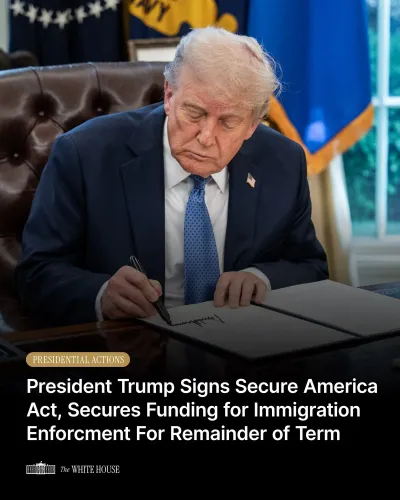
White House Flags Report on Immigration Amnesty Costs
Synopsis
The White House on October 18, 2026 directed the public to an official report framing Democratic immigration proposals as a costly 'mass amnesty' and 'open-borders agenda,' reigniting a decades-old partisan divide over US immigration enforcement and legalisation.
Key Takeaways
The White House posted on October 18, 2026 linking to an official report on the costs of Democratic immigration policies.
The report is framed around what the administration calls a 'mass amnesty and open-borders agenda.' The 1986 Immigration Reform and Control Act previously granted amnesty to approximately 3 million undocumented immigrants — the last major federal amnesty.
A 2013 bipartisan bill proposed citizenship pathways alongside border security but failed in the House.
The specific claims in the October 2026 White House report remain unverified by independent sources.
Congressional responses — hearings, counter-reports, or legislative action — will be the next indicator of the report's political impact.
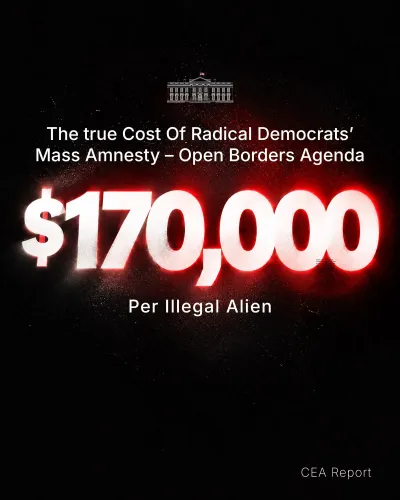
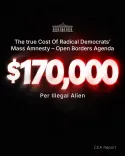
The White House on Sunday, October 18, 2026, pointed followers to what it described as a 'bombshell report' detailing the fiscal and policy costs of what it termed a 'radical Democrats' mass amnesty and open-borders agenda' — directing readers to a newly published release on the official White House website.
The post, shared from the official @WhiteHouse account on X, linked to a whitehouse.gov release framing Democratic-backed immigration proposals as carrying significant hidden costs for American taxpayers and border communities. The administration offered no further elaboration in the post itself beyond the directive to 'read more.'
A Decades-Long Fault Line Reignited
US immigration policy has been a recurring flashpoint between the two major parties for decades. The 1986 Immigration Reform and Control Act — the last major federal amnesty — granted legal status to approximately 3 million undocumented immigrants while promising stricter enforcement measures that critics later argued never fully materialised. The debate it sparked never truly ended.
A subsequent attempt in 2013, the Border Security, Economic Opportunity, and Immigration Modernization Act, proposed a pathway to citizenship paired with enhanced border security funding — but stalled in the House amid fierce partisan opposition. Republican messaging in both cycles leaned heavily on the fiscal costs of legalisation, a frame the current White House appears to be reprising.
The Fiscal-Cost Framing and Its Political Weight
By anchoring the release around cost — rather than humanitarian or legal arguments — the White House is deploying a well-tested political lever. Framing immigration reform as a burden on US taxpayers and border communities has historically proved effective in shifting public opinion, particularly in election-adjacent cycles.
The specific claims in the October 2026 report could not be independently verified at the time of publication. What is clear is the administration's intent: to place the Democratic Party on the defensive over immigration economics ahead of any congressional debate on enforcement funding or reform legislation.
Whether Congress responds with counter-reports, hearings, or legislative proposals will determine how far this particular salvo travels beyond the social-media news cycle.
Point of View
Where public sympathy is harder to mobilise for reform. Framing Democratic proposals as 'radical' and 'open-borders' signals the administration is preparing for an immigration-centred political offensive, likely timed to congressional budget or enforcement debates. The echoes of the 1986 and 2013 cycles suggest this is less a policy document and more an opening argument. How Democrats respond — on cost, on enforcement, or on humanitarian grounds — will set the terms of the next round.
NationPress
18 Oct 2026
Frequently Asked Questions
What did the White House report on immigration say in October 2026?
The White House released a report in October 2026 claiming to expose the fiscal costs of what it described as Democratic-backed mass amnesty and open-borders immigration policies, though the specific findings have not been independently verified.
What is the history of US immigration amnesty?
The last major US federal amnesty was the 1986 Immigration Reform and Control Act , which granted legal status to approximately 3 million undocumented immigrants while promising stronger enforcement measures.
What is the Democratic Party's position on immigration amnesty?
The Democratic Party has historically supported expanded legal immigration pathways and reform measures, including the 2013 Border Security, Economic Opportunity, and Immigration Modernization Act , which proposed a citizenship pathway alongside border security investments.
Why is the White House calling it a 'bombshell report' on immigration?
The White House used the term 'bombshell report' in its social media post to signal that the document contains significant or surprising findings about the costs of Democratic immigration proposals, a framing consistent with partisan political messaging.
What happens next after the White House immigration cost report?
Congressional responses — including potential hearings, counter-analyses, or legislative proposals on enforcement funding — will determine whether the report drives substantive policy debate or remains a social-media political moment.