White House Warns on the 'Real Cost of Socialism'
Synopsis
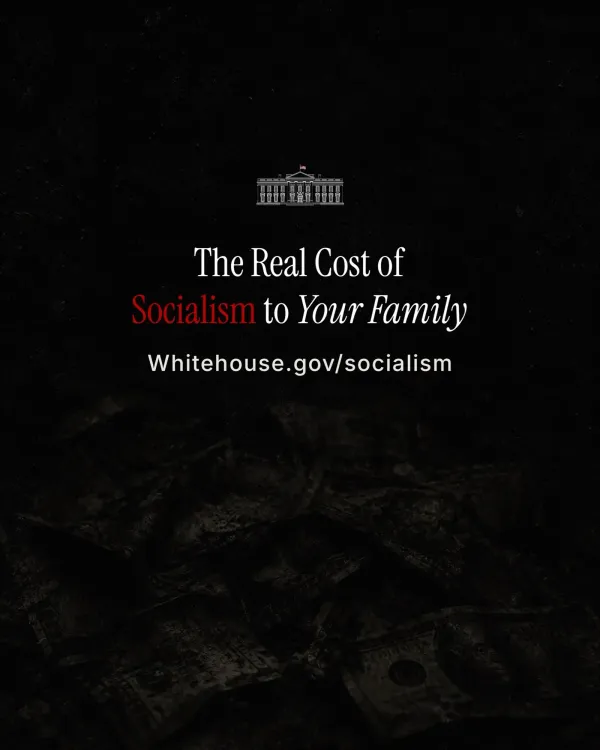
The White House posted on X on October 2, 2026, directing followers to WH.gov/socialism, arguing that socialist policy commitments carry a far higher cost than their promises suggest. The post signals an institutional push to frame the fiscal debate on the administration's terms.
Key Takeaways
The White House posted on X on October 2, 2026 , linking to WH.gov/socialism .
The post argues that socialist policy 'commitments may sound simple, but the numbers tell a different story.' The administration frames the debate as a fiscal credibility argument, anchored in data rather than ideology.
The use of an official government domain signals this is an institutional position, not merely campaign rhetoric.
No independent verification of the specific claims on the linked page is available at this time.
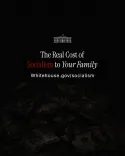
A single line from the White House landed like a challenge on Thursday: the promises of socialism may sound straightforward, but the price tag, the administration argues, tells an entirely different story. The White House posted on X on Friday, October 2, 2026, directing followers to a dedicated page at WH.gov/socialism to examine what it calls the true fiscal and human cost of socialist policy commitments.
The White House's case against socialist economics
The post reads: 'The commitments may sound simple, but the numbers tell a different story. A real look at the cost of socialism.' The framing is deliberate — pitting the appeal of broad social guarantees against what the administration presents as their underlying fiscal weight. By linking to an official White House resource, the post signals this is an institutional argument, not just a political talking point. The move fits a pattern of the executive office using digital platforms to push economic messaging directly to the public, bypassing traditional intermediaries and framing policy debates on its own terms.Why this matters beyond Washington
For audiences in India and across the developing world, the debate over state-led welfare versus market economics carries immediate resonance. The United States government formally weighing in — with data, on an official government domain — adds institutional heft to a conversation that typically plays out in academic and campaign settings. The White House's choice to anchor the argument in numbers rather than ideology is itself a rhetorical strategy: fiscal credibility over political passion. With no additional research available to verify the specific claims or data cited on the linked page, the substance of the administration's argument remains to be independently assessed — but the intent is unmistakable: frame the cost question before the other side frames the benefit question.Point of View
The administration attempts to occupy the credibility high ground in an economic debate that increasingly defines US electoral politics. For global observers, this represents a deliberate effort by the world's largest economy to formally document its institutional opposition to state-expansionist policy models — a signal with implications well beyond domestic politics. The framing war over fiscal costs versus social benefits is now, at least in part, being fought on government letterhead.
NationPress
2 Oct 2026
Frequently Asked Questions
What did the White House post about socialism?
The White House posted on X on October 2, 2026, stating that socialist policy commitments 'may sound simple, but the numbers tell a different story,' and linked to an official government page at WH.gov/socialism examining their fiscal cost.
What is WH.gov/socialism?
WH.gov/socialism is an official White House web page the administration directed the public to, presenting what it describes as a 'real look at the cost of socialism.' The specific data and claims on the page have not been independently verified.
Is this an official US government position on socialism?
Yes. By publishing the content on an official White House domain and posting from the verified White House X account, the message carries the weight of an institutional executive-branch position, not just a political campaign statement.
Why is the White House talking about socialism in 2026?
The framing of socialist versus market-based economic policy has been a defining fault line in recent US political cycles. The White House appears to be proactively shaping the fiscal debate ahead of ongoing legislative and electoral battles.
How does this affect India or other countries?
While the post is directed at a US domestic audience, the White House's formal stance on socialism carries weight internationally, influencing global economic discourse and the positions of governments that align closely with US policy frameworks.