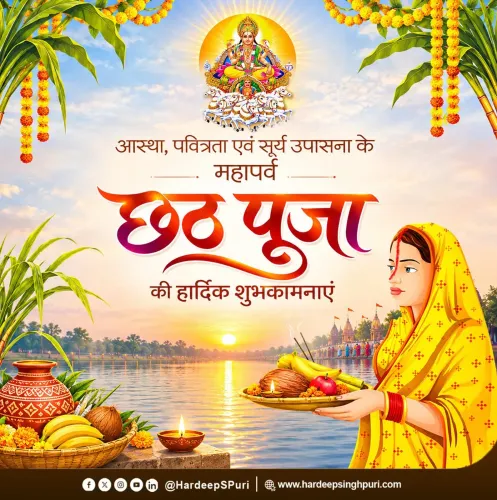
Dr. Jitendra Singh greets nation on Chhath Puja Usha Arghya

Synopsis
Union Minister Dr. Jitendra Singh extended heartfelt greetings to the nation on Usha Arghya, the sunrise ritual closing Chhath Mahaparvam, praying that Chhathi Maa's blessings bring hope, peace and prosperity to all devotees.
Key Takeaways
Jitendra Singh posted Chhath Puja greetings on 16 November 2026 , marking the festival's fourth and final day.
Usha Arghya — the offering to the rising sun — is Chhath Puja's concluding and most sacred ritual.
The minister prayed for 'new hope, energy, happiness, peace and prosperity' for all citizens.
Chhath Puja is primarily observed in Bihar , eastern Uttar Pradesh , and Nepal , but has expanded to major cities across India and the global diaspora.
Devotees observe a strict fast, often without water, for more than 36 hours during the festival.
As millions of devotees stood knee-deep in rivers and water bodies across India and Nepal before dawn, Union Science and Technology Minister Dr. Jitendra Singh extended warm greetings to the nation on the occasion of Usha Arghya — the sacred offering to the rising sun that marks the culmination of Chhath Mahaparvam.
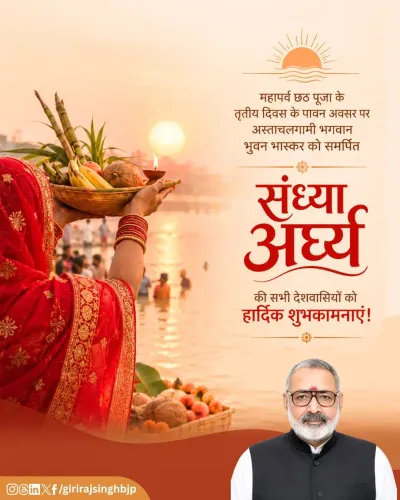
Posting on Monday, 16 November 2026, the Minister offered his message in Hindi: 'उदीयमान सूर्यदेव को अर्घ्य अर्पित करने का यह पावन अवसर सभी के जीवन में नई आशा, ऊर्जा, सुख, शांति और समृद्धि लेकर आए' — 'May this sacred occasion of offering arghya to the rising Sun God bring new hope, energy, happiness, peace and prosperity into everyone's life.' He closed with the invocation Jai Chhathi Maiya, seeking the blessings of Chhathi Maa for all.
Four days, one prayer: what Chhath demands of its devotees
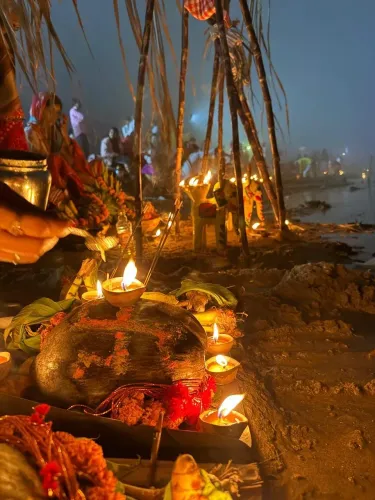
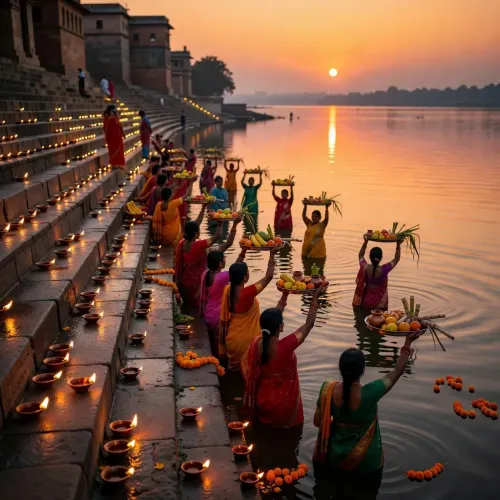
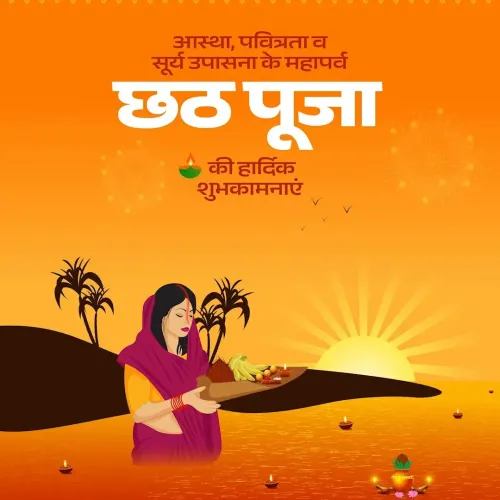
Chhath Puja is among the most physically demanding of Hindu festivals. Observed primarily in Bihar, eastern Uttar Pradesh, and parts of Nepal, the four-day festival is dedicated to Surya Dev, the Sun God, and his consort Chhathi Maiya. Devotees — many of them fasting without water for over 36 hours — gather at riverbanks and ponds to offer arghya at both sunset (Sandhya Arghya) and sunrise (Usha Arghya), standing in water as they pray. The ritual demands extraordinary discipline and is regarded as one of the purest expressions of folk Hinduism.
The Usha Arghya, offered to the rising sun, is the festival's final and most auspicious ritual — a moment of collective renewal as the first light breaks the horizon. It is at this moment that the vrat, or fast, formally concludes and devotees break their abstinence.
A tradition that has travelled far beyond its eastern heartland
What was once a regional festival rooted in the Gangetic plains has, over the decades, grown into a pan-Indian and global celebration. Chhath ghats now dot Delhi, Mumbai, Pune, Ahmedabad, and diaspora communities across the world observe the rituals wherever a water body can be found. For ministers and political leaders across party lines, greetings on Chhath have become a standard expression of cultural solidarity — recognition that the festival's constituency now reaches far beyond Bihar and eastern UP.
Dr. Singh's message, brief and devotional in register, reflects exactly this — a moment to step back from portfolio and simply share in a national festival moment. Chhathi Maiya ki kripa — the grace of Chhathi Maa — is the prayer that unites the faithful on this morning.
Point of View
Bihar and eastern UP, remains among the most electorally decisive regions in India. For a Union minister seated in the PMO, publicly invoking Chhathi Maa's blessings is both a cultural gesture and a quiet reinforcement of the ruling dispensation's sustained outreach to these communities. The festival's migration from a regional ritual to a pan-Indian phenomenon also reflects broader demographic shifts in Indian cities, making Chhath greetings increasingly relevant to urban vote banks as well. It is routine, yes — but routine with purpose.
NationPress
16 Nov 2026
Frequently Asked Questions
What is Usha Arghya in Chhath Puja?
Usha Arghya is the offering made to the rising sun on the fourth and final morning of Chhath Puja. Devotees stand in water at dawn and offer prayers to Surya Dev, after which the long fast is formally broken.
Who is Dr. Jitendra Singh?
Dr. Jitendra Singh is the Union Minister of State (Independent Charge) for Science and Technology and Earth Sciences, and also holds the charge of Minister of State in the Prime Minister's Office and for Personnel.
Why is Chhath Puja celebrated?
Chhath Puja is a four-day Hindu festival dedicated to the Sun God and Chhathi Maiya. Devotees observe strict fasts and offer arghya at sunrise and sunset, seeking blessings for health, prosperity and the well-being of their families.
Which states celebrate Chhath Puja the most?
Chhath Puja is most prominently celebrated in Bihar, eastern Uttar Pradesh, and parts of Nepal. It has also spread to major cities like Delhi, Mumbai and Pune, and among the Indian diaspora worldwide.
When does Chhath Puja end?
Chhath Puja concludes on the fourth day with Usha Arghya — the morning offering to the rising sun. After this ritual, devotees break their fast, marking the official end of the festival.