Assam CM Celebrates Discovery of New Gecko Species, Boosting Northeast Biodiversity
Synopsis
Assam Chief Minister Himanta Biswa Sarma celebrates the discovery of a new gecko species, Cyrtodactylus jayadityai, a milestone for biodiversity in the Northeast. This finding underscores the region's ecological richness and highlights the importance of conservation efforts.
Key Takeaways
New species discovered: Cyrtodactylus jayadityai Highlights Assam's rich biodiversity Shows progress in wildlife research Emphasizes the need for ongoing conservation efforts Encourages collaboration among researchers and communities
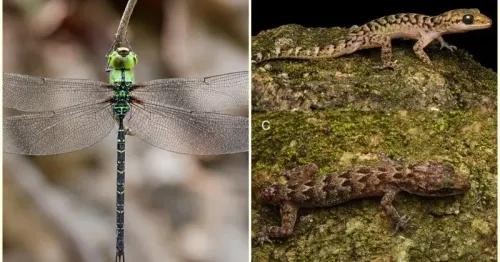
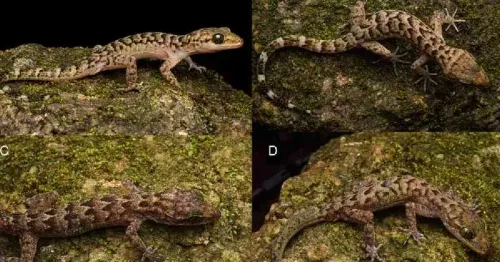
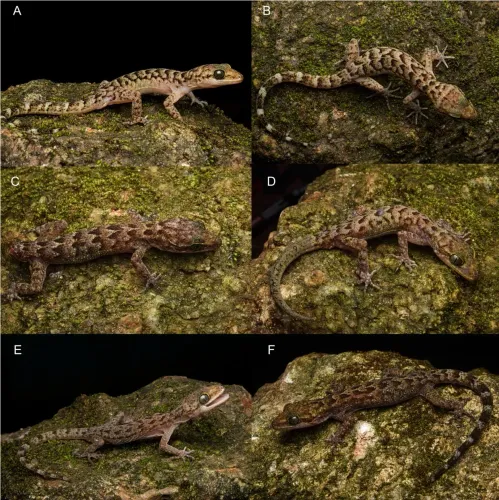
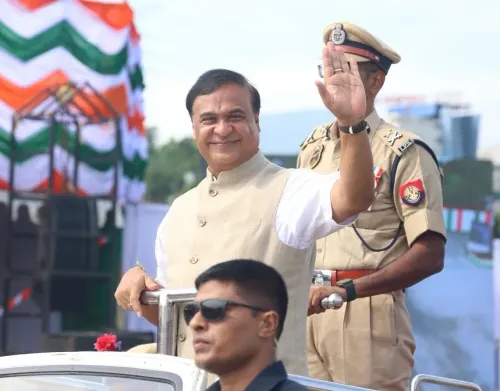
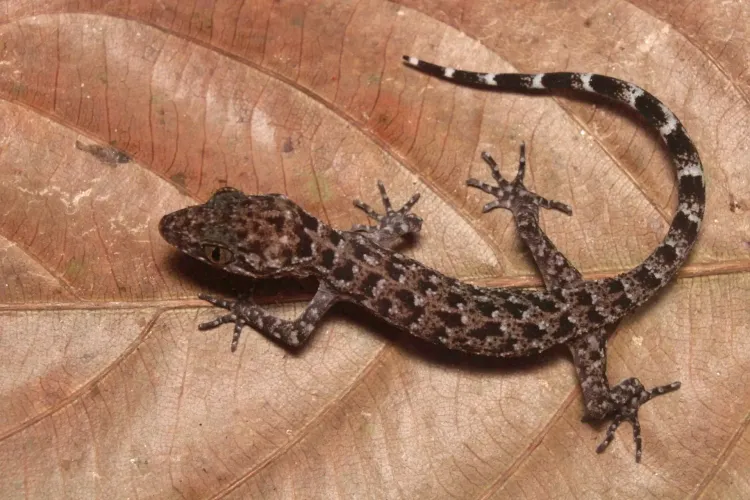
Guwahati, April 16 (NationPress) – Assam's Chief Minister Himanta Biswa Sarma expressed his enthusiasm on Thursday regarding the recent identification of a novel gecko species, Cyrtodactylus jayadityai. He articulated that this discovery marks a significant achievement for both Assam and the entire Northeast region.
In a post on the social media platform X, the Chief Minister emphasized that this finding highlights the area's exceptional biodiversity and showcases the advancing skills of researchers dedicated to wildlife science and conservation.
He pointed out that such discoveries are vital not only for expanding scientific knowledge but also for reinforcing the need for ongoing ecological preservation efforts within the region.
“This is a remarkable moment for Assam and the Northeast. The discovery of Cyrtodactylus jayadityai emphasizes our rich biodiversity and the growing expertise of our researchers,” Sarma remarked in his statement.
Moreover, he expressed encouragement at the sight of conservation efforts and scientific ingenuity collaborating to unveil such important findings.
The Chief Minister stressed that this discovery underscores the necessity of safeguarding vulnerable ecosystems, especially in biodiversity hotspots like Northeast India.
The newly recognized species falls under the genus Cyrtodactylus, commonly known as bent-toed geckos, which are distributed throughout Asia and celebrated for their ecological diversity.
Researchers believe that identifying Cyrtodactylus jayadityai will enhance understanding of species evolution and habitat specialization in this region.
Experts have consistently asserted that the Northeast, characterized by its unique climatic and geographical attributes, ranks among India’s most biologically rich areas, frequently discovering new species across various flora and fauna. However, they also warn that rising human activities and environmental degradation threaten these delicate habitats.
The Chief Minister’s comments came at a time when there is a renewed focus on conservation strategies and scientific exploration in Assam, with the state government advocating for increased cooperation among academic institutions, conservationists, and local communities.
Sarma highlighted that such discoveries should motivate sustained investment in research and conservation efforts, ensuring that the region’s natural heritage is preserved for future generations.
Point of View
This discovery is a testament to the rich biodiversity of Northeast India and signifies the critical role of scientific research in conservation efforts. It highlights the need for collaboration among various stakeholders to protect these delicate ecosystems.
NationPress
18 Sept 2026
Frequently Asked Questions
What is Cyrtodactylus jayadityai?
Cyrtodactylus jayadityai is a newly discovered gecko species recognized for its unique ecological adaptations.
Why is this discovery important?
This discovery underscores the rich biodiversity of the Northeast region and emphasizes the need for ongoing conservation efforts.
Who announced the discovery?
The discovery was announced by Assam Chief Minister Himanta Biswa Sarma.
What does this discovery mean for research?
It highlights the growing capabilities of researchers in wildlife science and contributes to our understanding of species evolution.
How does this discovery relate to conservation?
It reinforces the importance of protecting fragile ecosystems in biodiversity hotspots like Northeast India.